
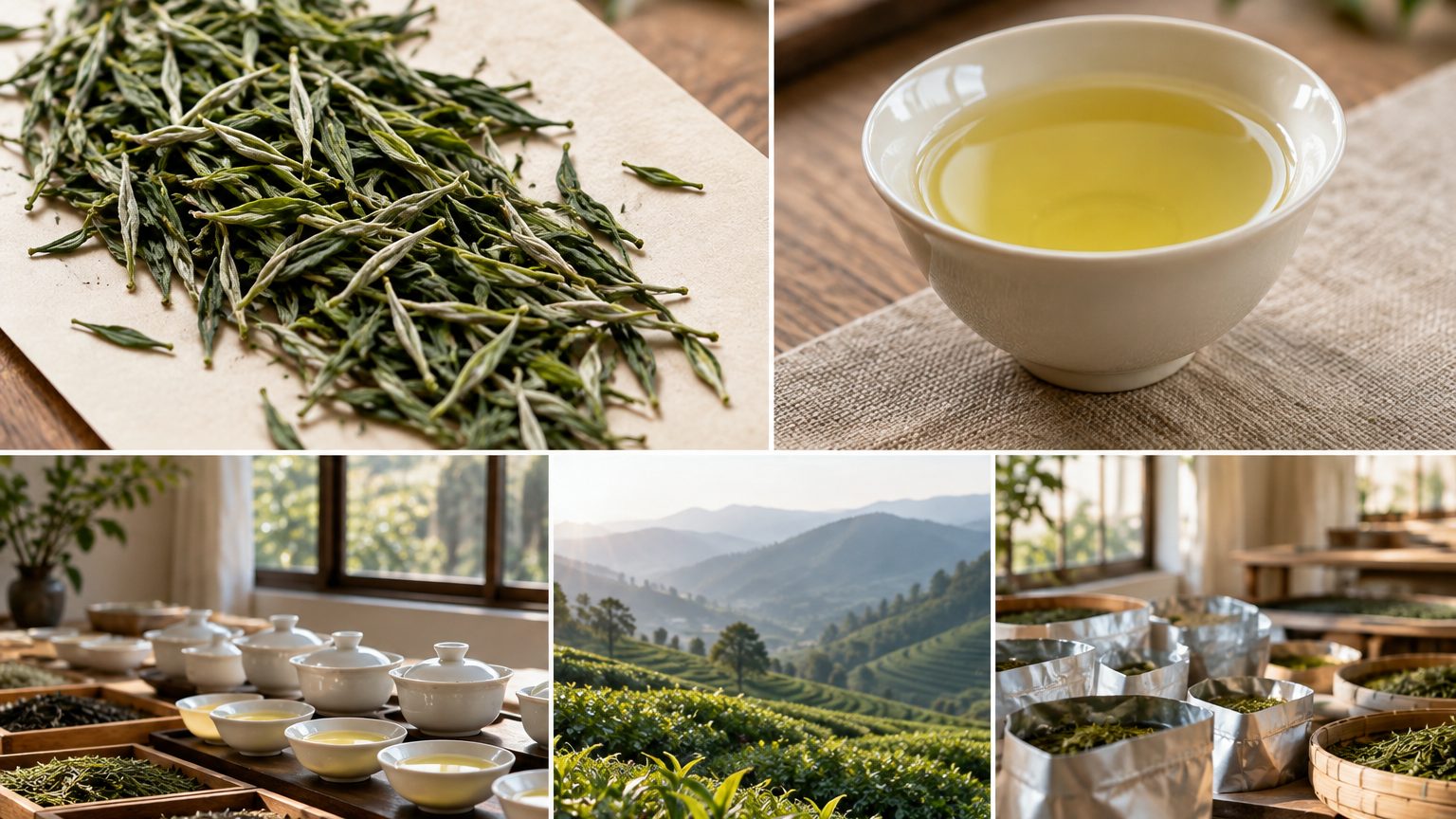
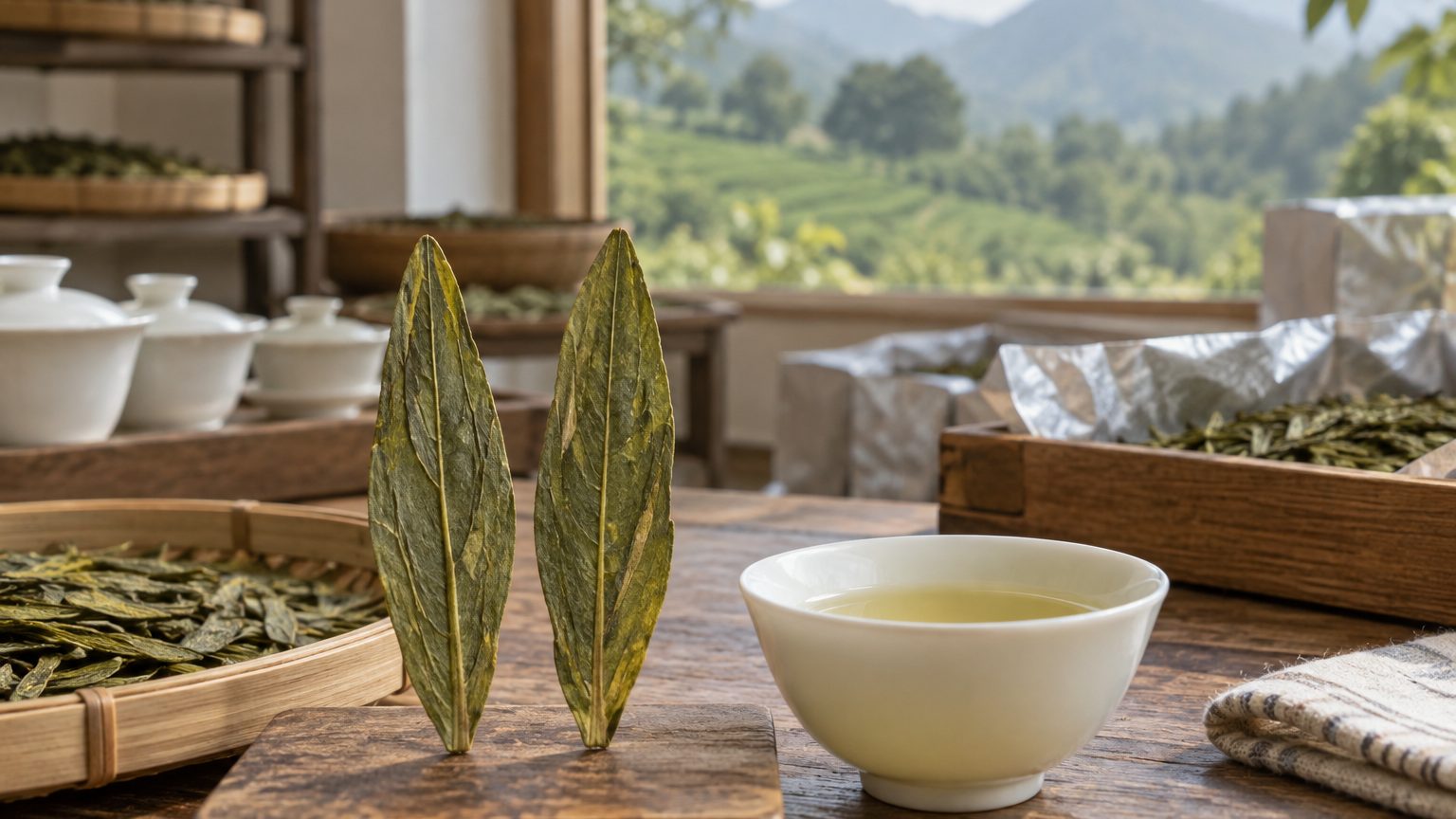
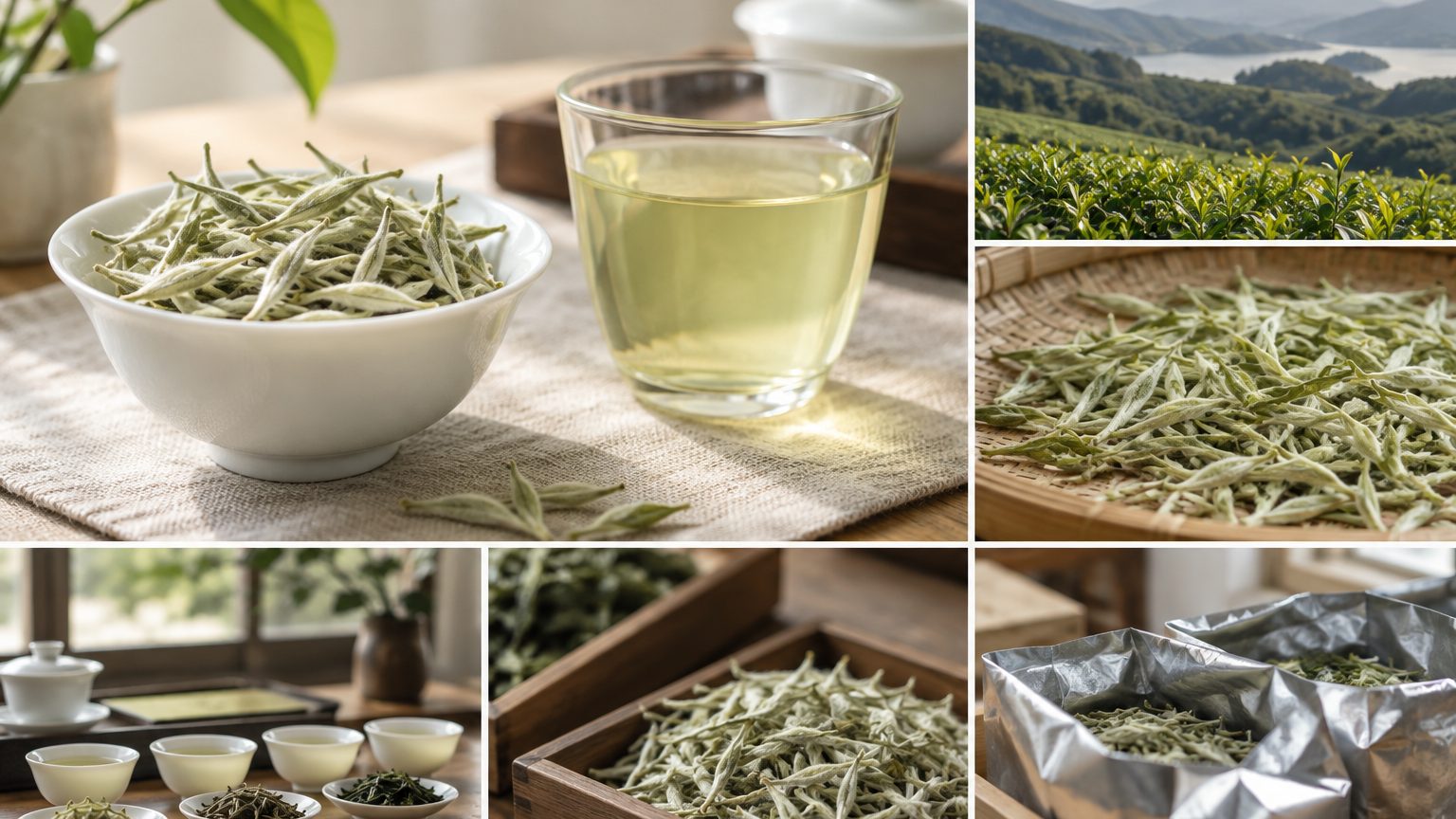
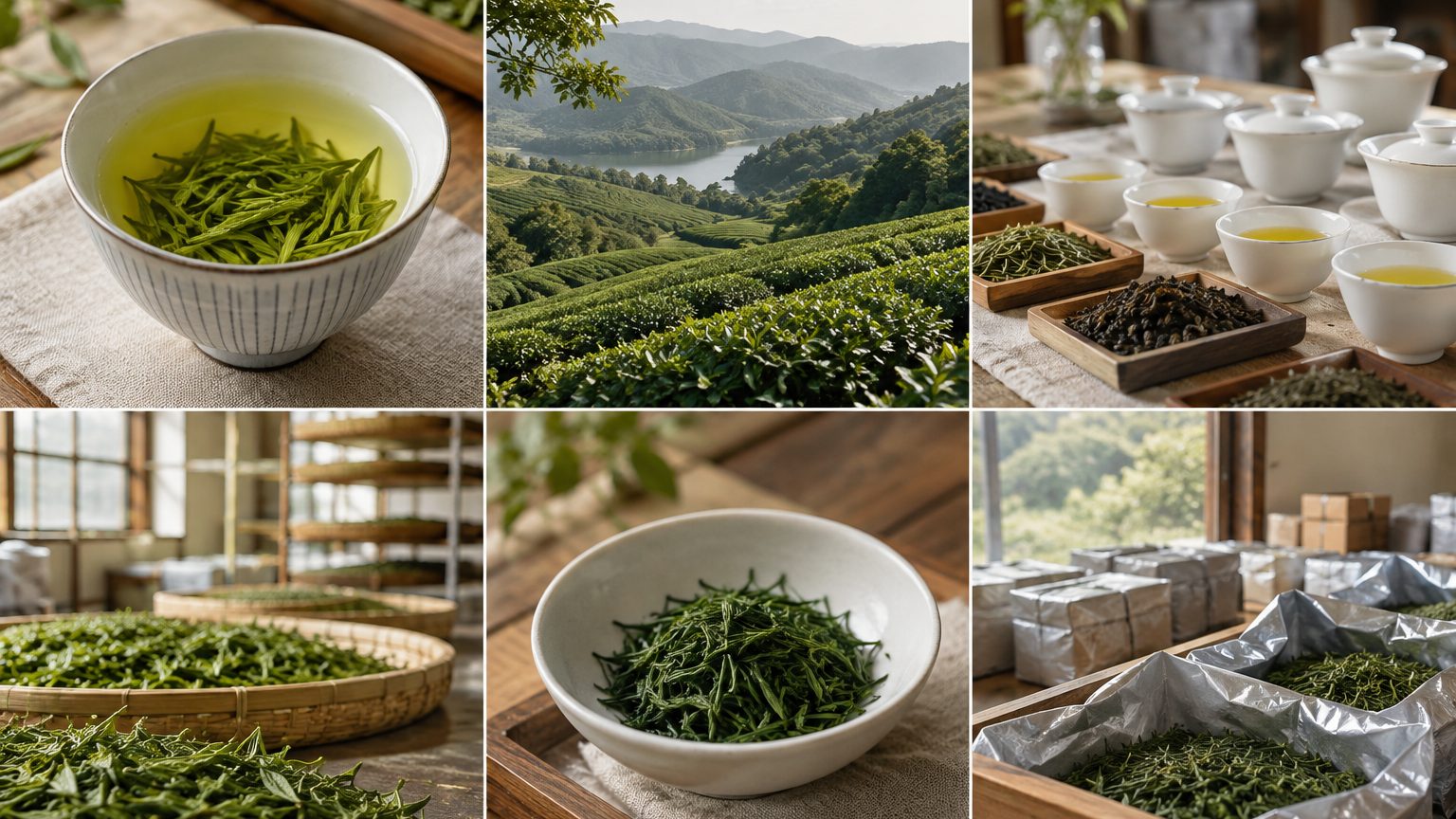
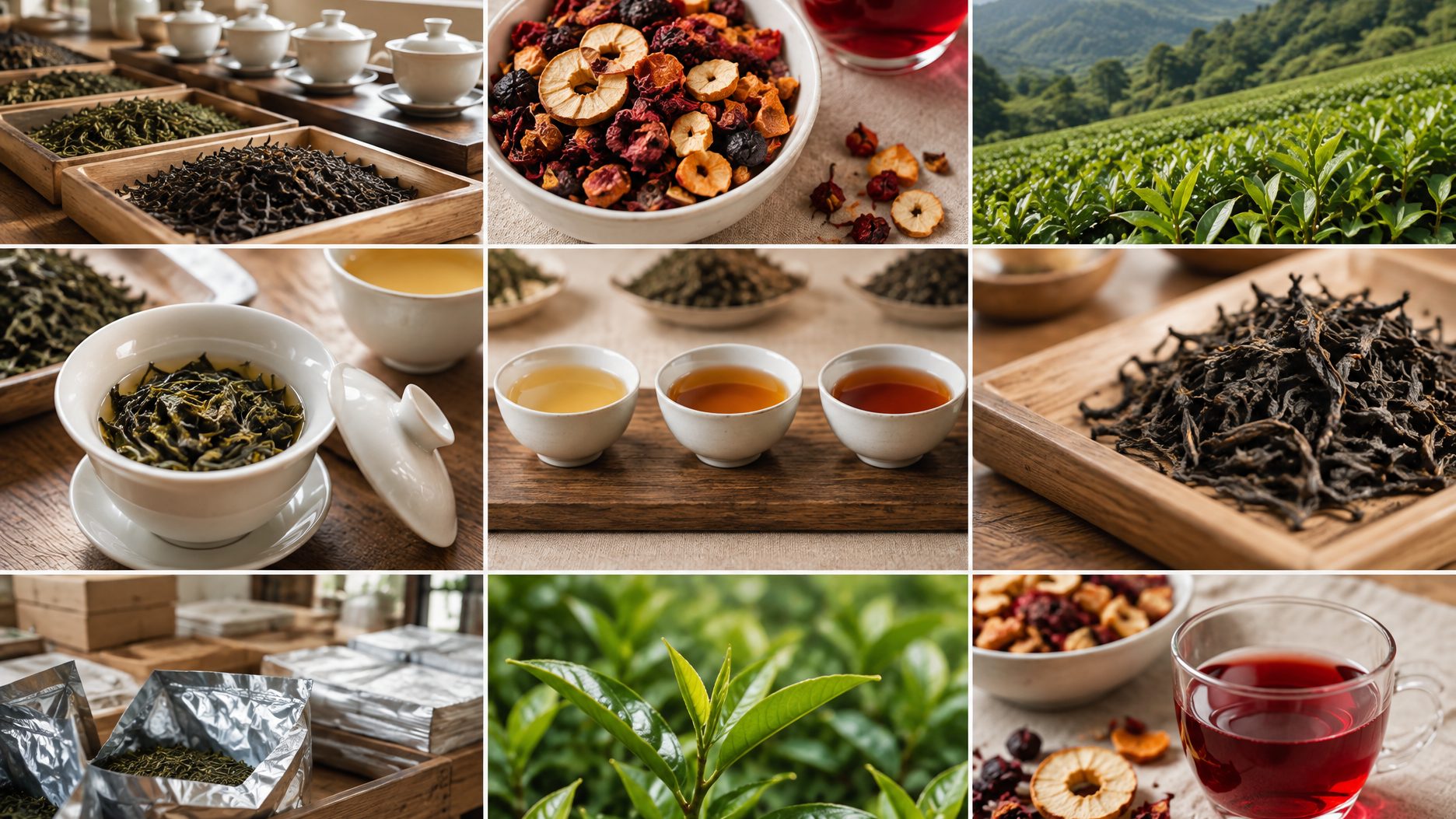
How to read this catalog
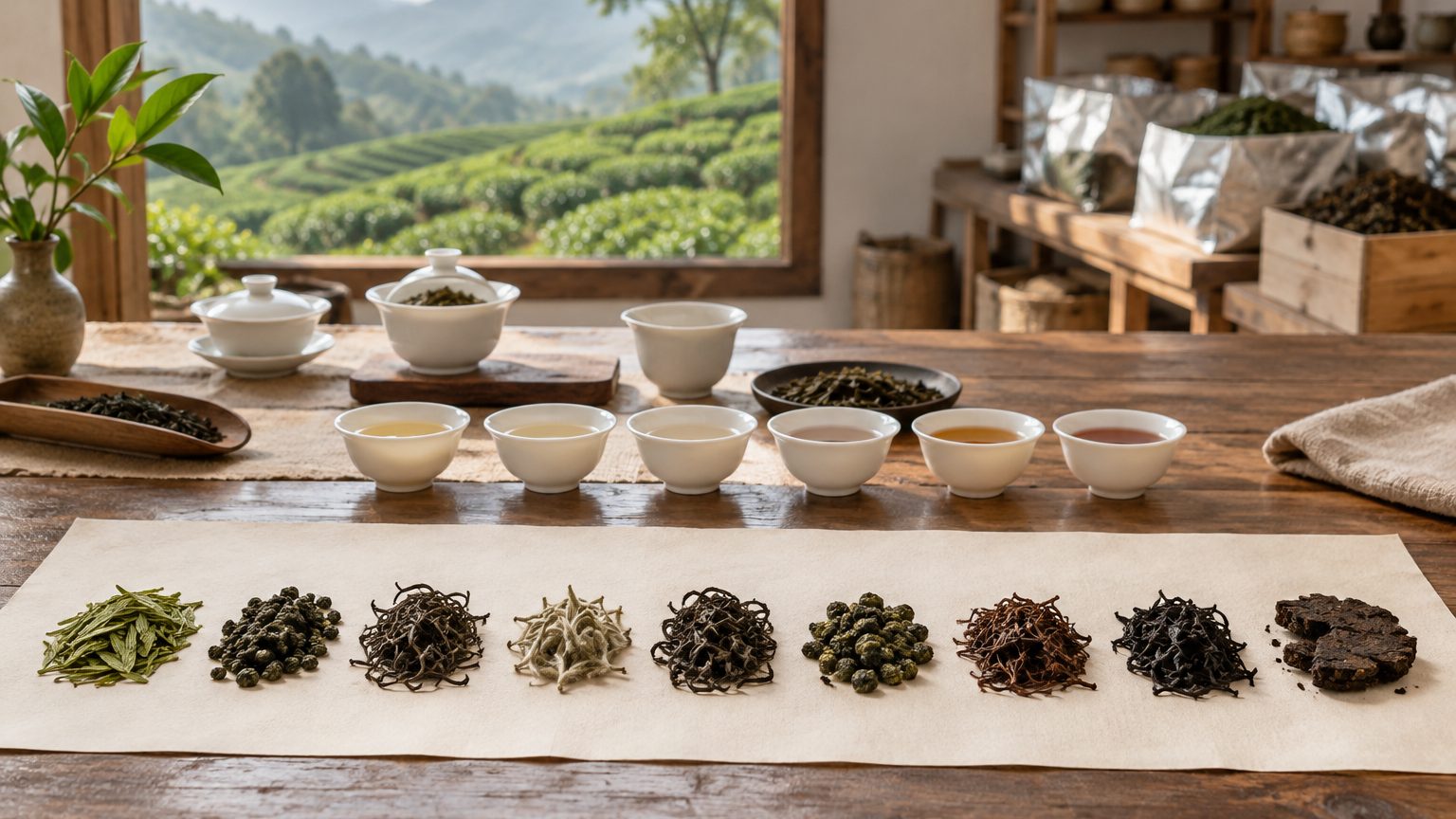
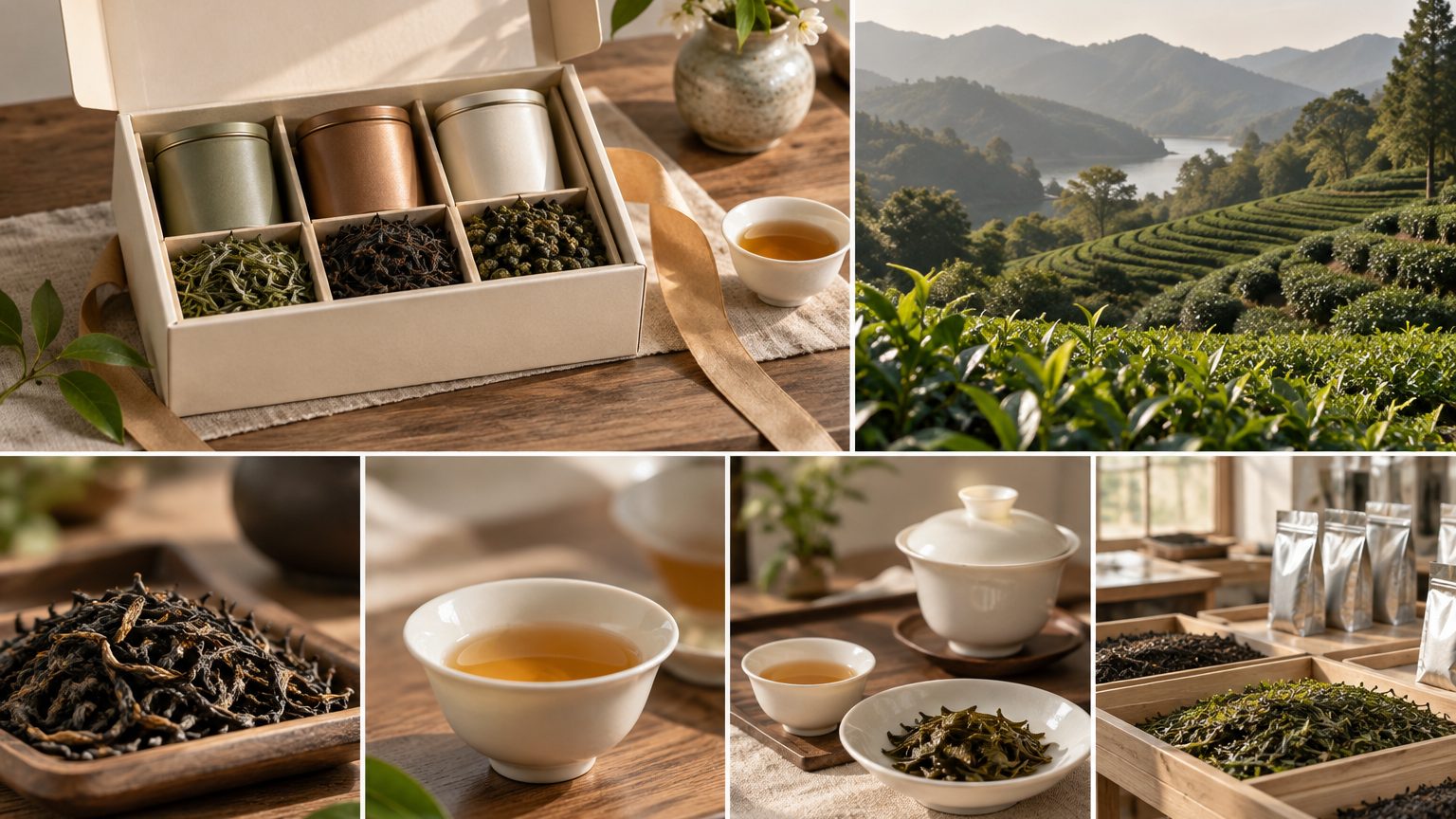
Tea is classified by processing, not by color or plant. One species - Camellia sinensis - gives every true tea; what differs is how fast the leaf oxidizes and how it is dried. That is why an Anji white tea is a green tea, why a Da Hong Pao tastes nothing like a Tieguanyin though both are oolongs, and why raw and ripe pu-erh diverge so far. Each line page carries the same sheet: five cupping factors, brew parameters, origin and harvest window, and the formats it can ship in.
The seven categories
| Category | What processing does | Lines here |
|---|---|---|
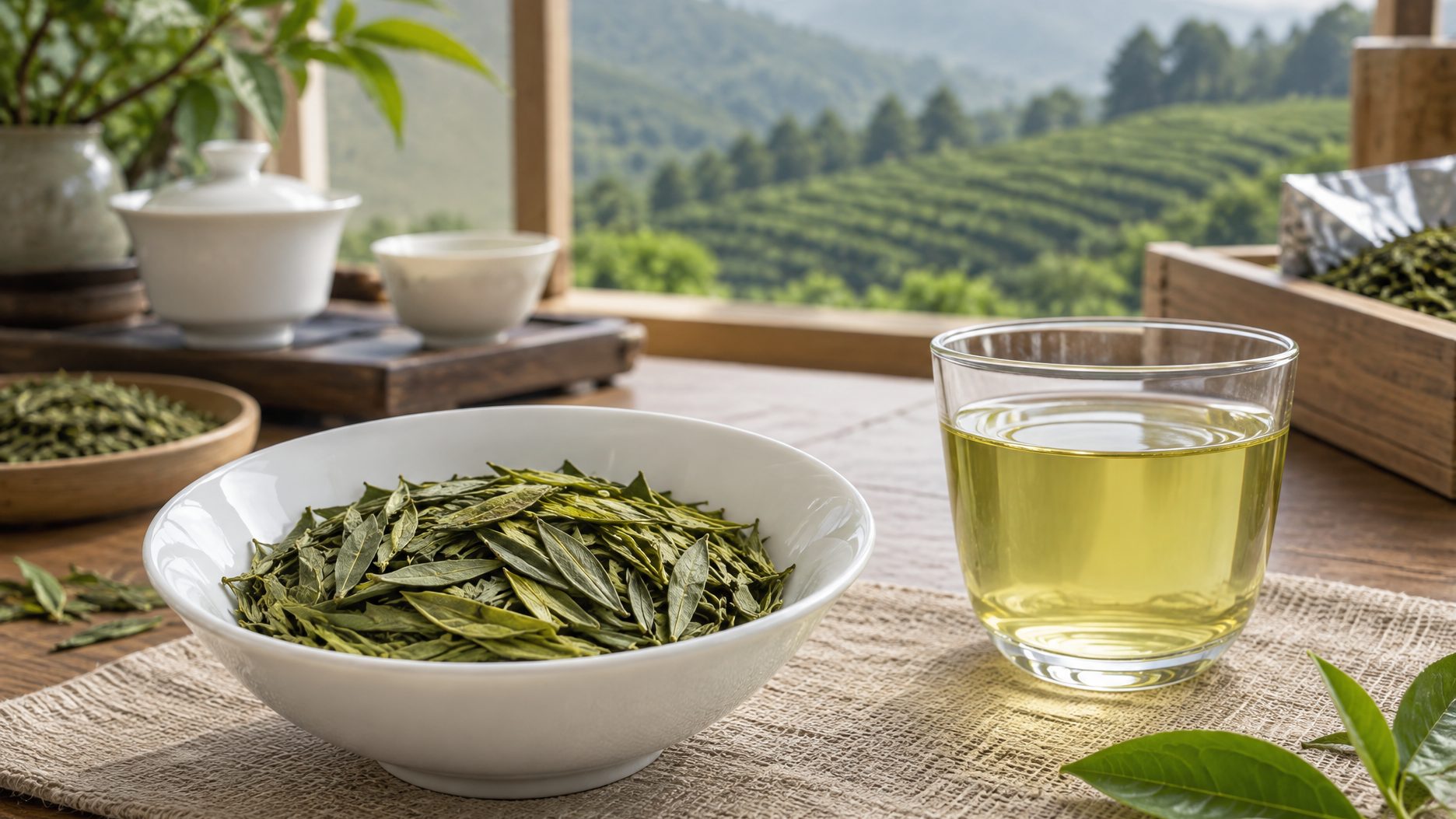
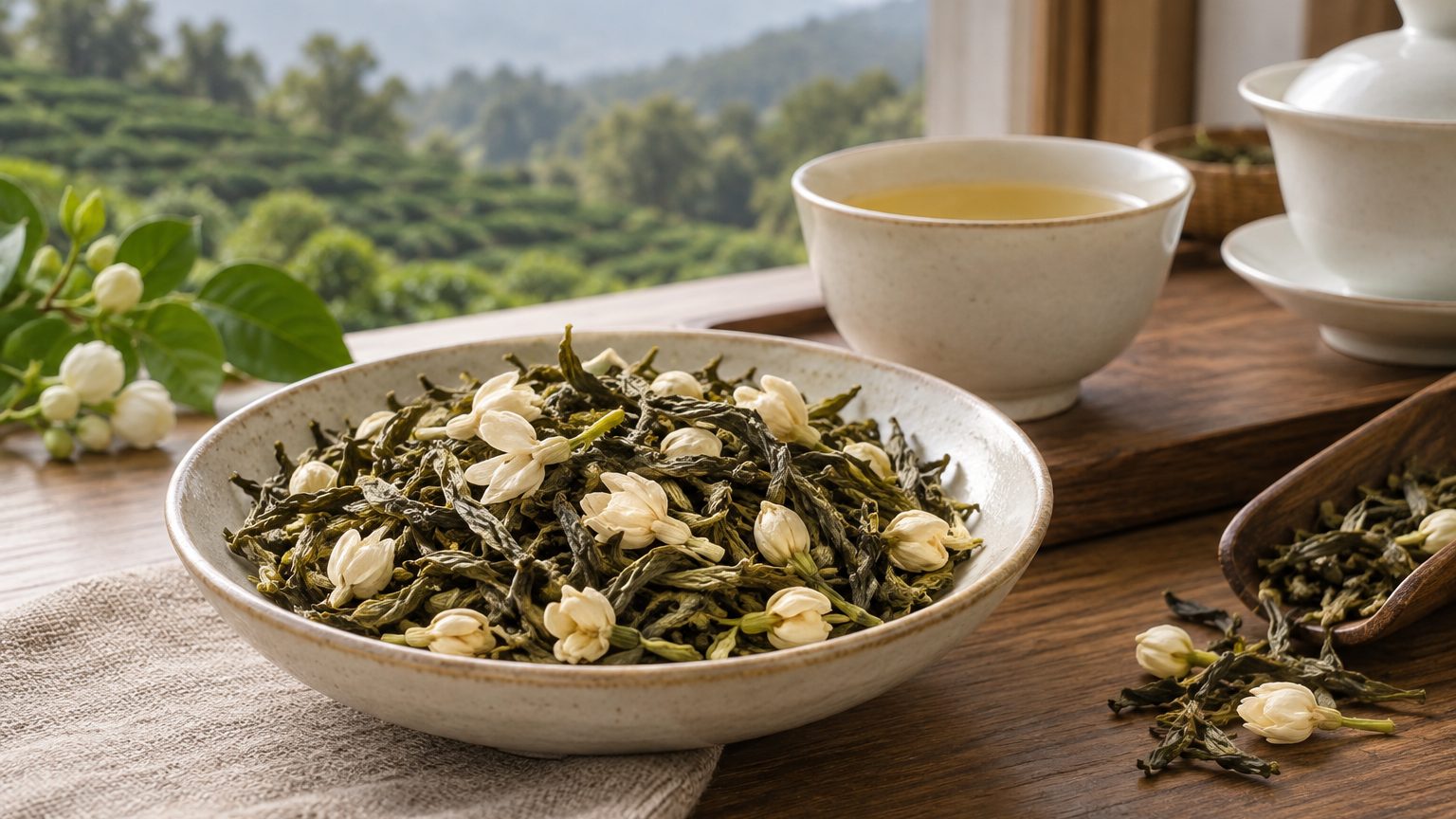
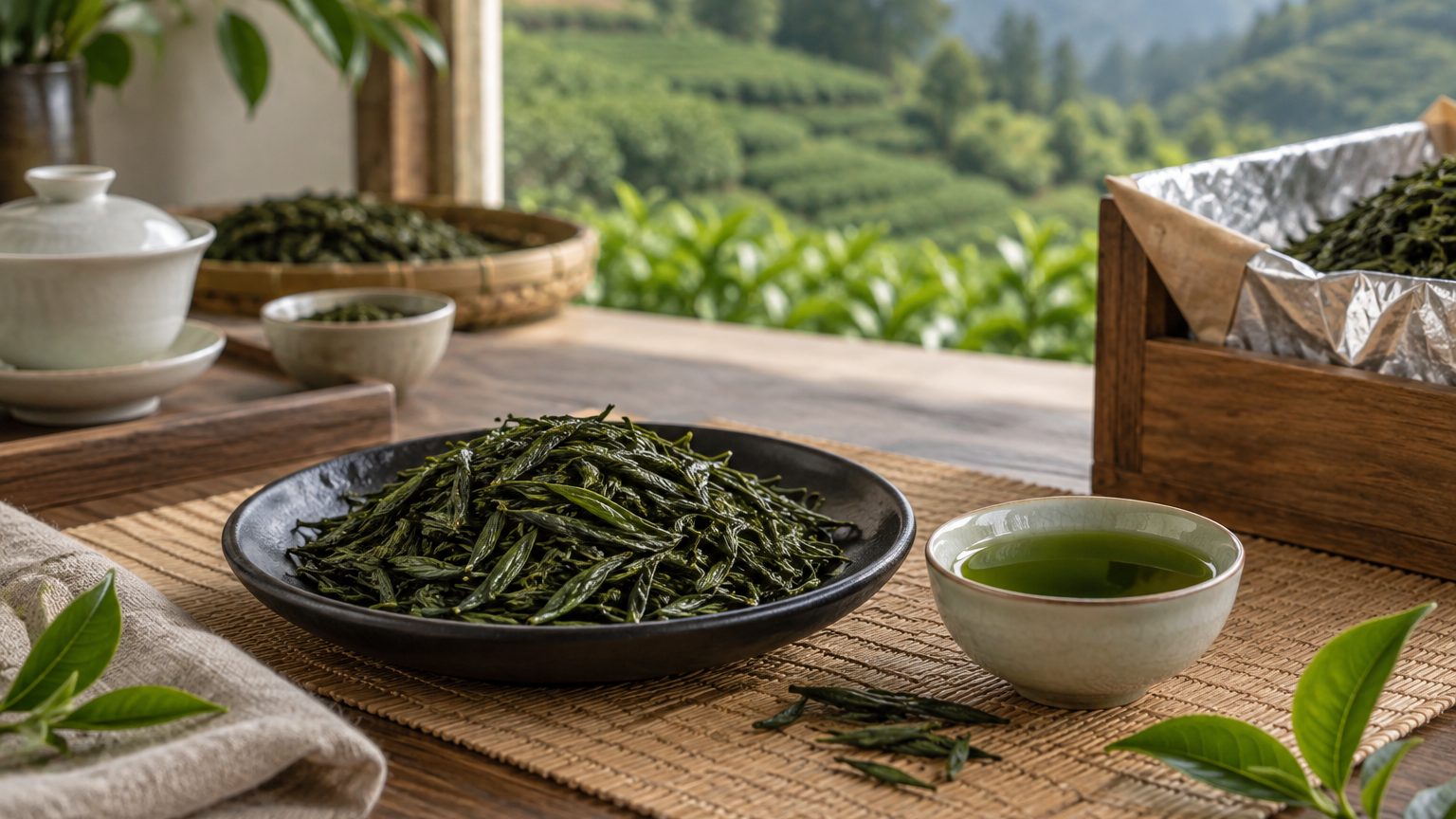
| Green tea | Fixed quickly after picking - pan-fired or steamed - so the leaf stays green | 10, from Longjing to matcha powder |
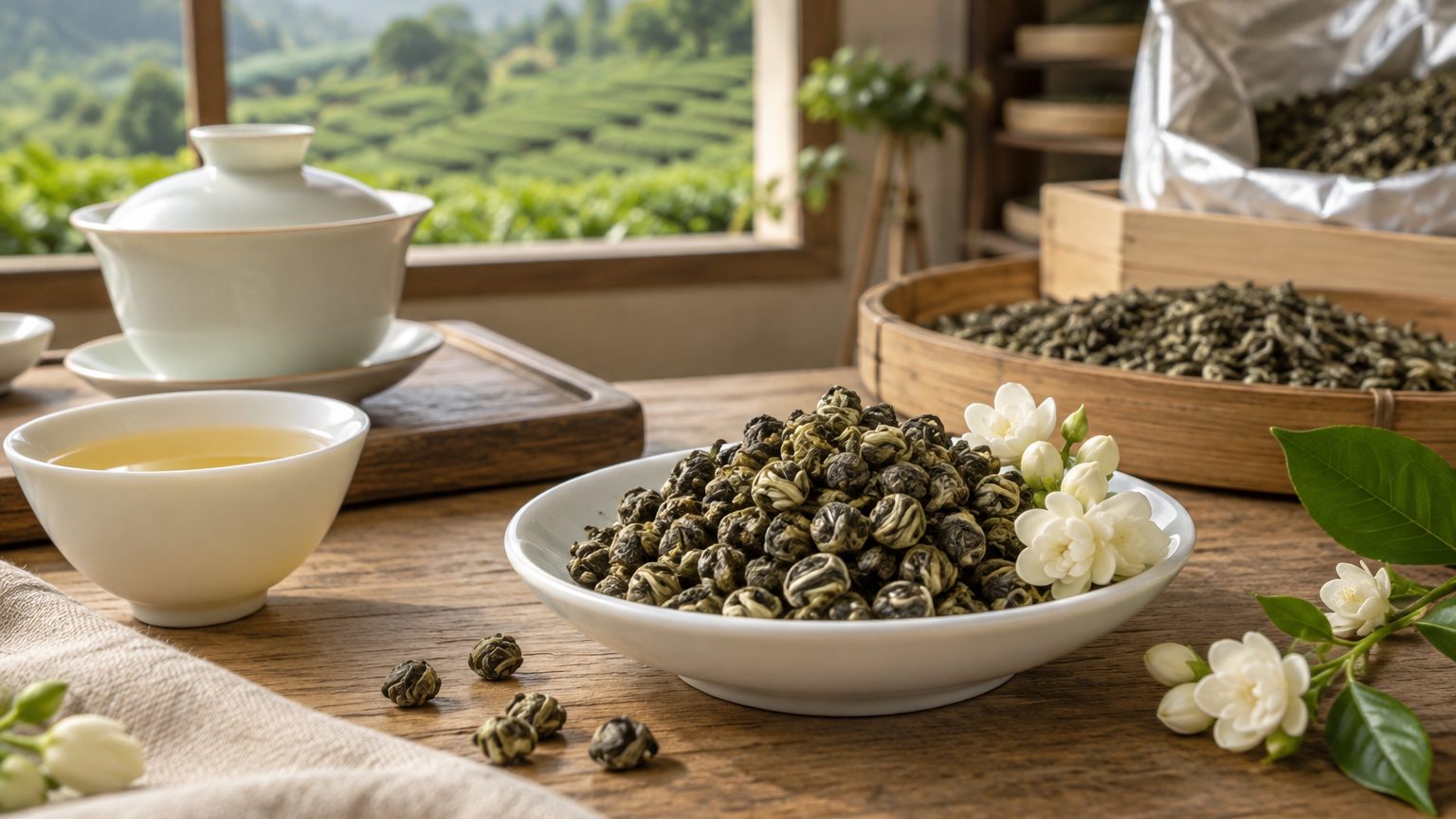
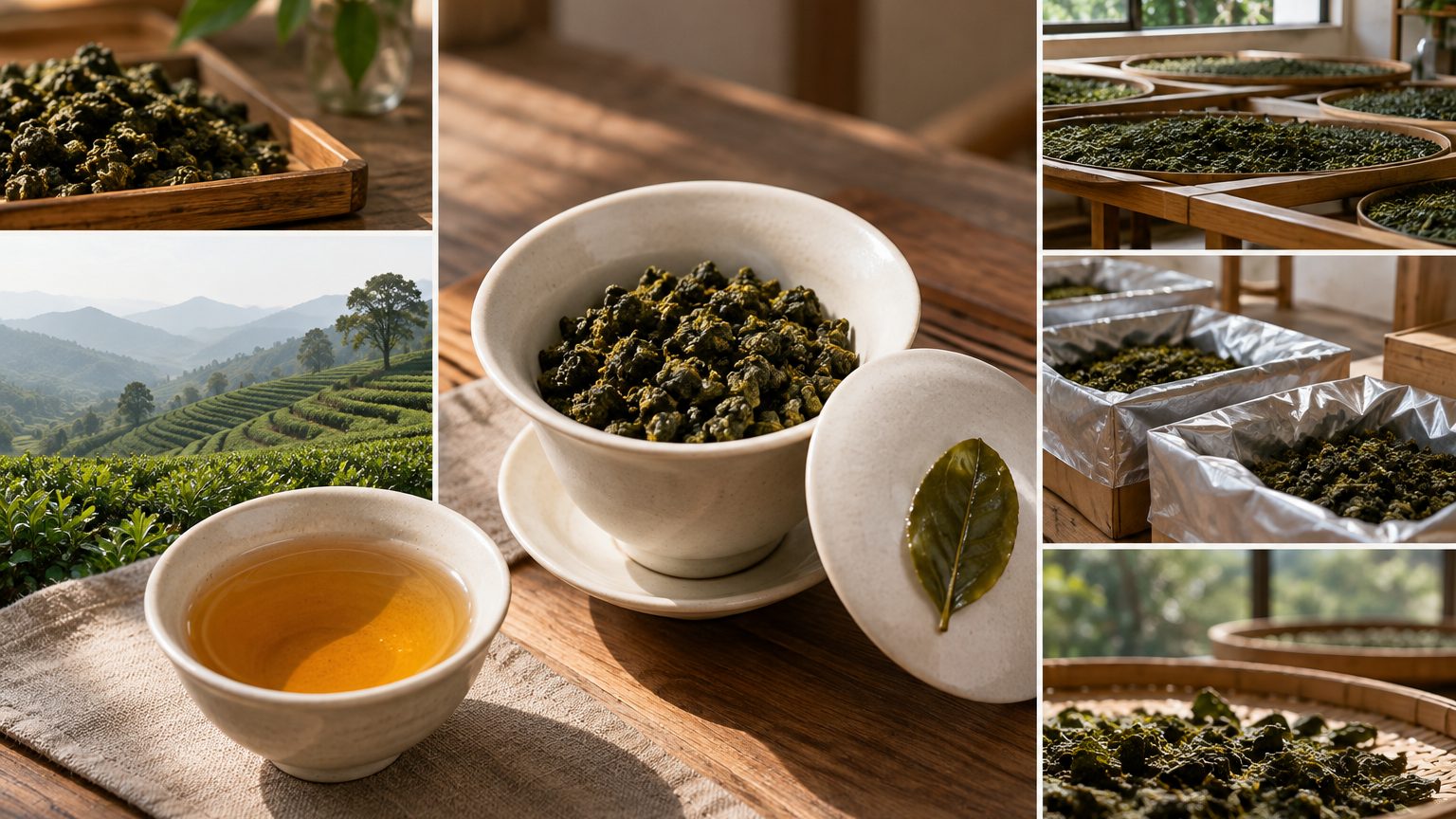
| Oolong tea | Partially oxidized, rolled or balled, often roasted | 5, from Tieguanyin to Fenghuang Dancong |
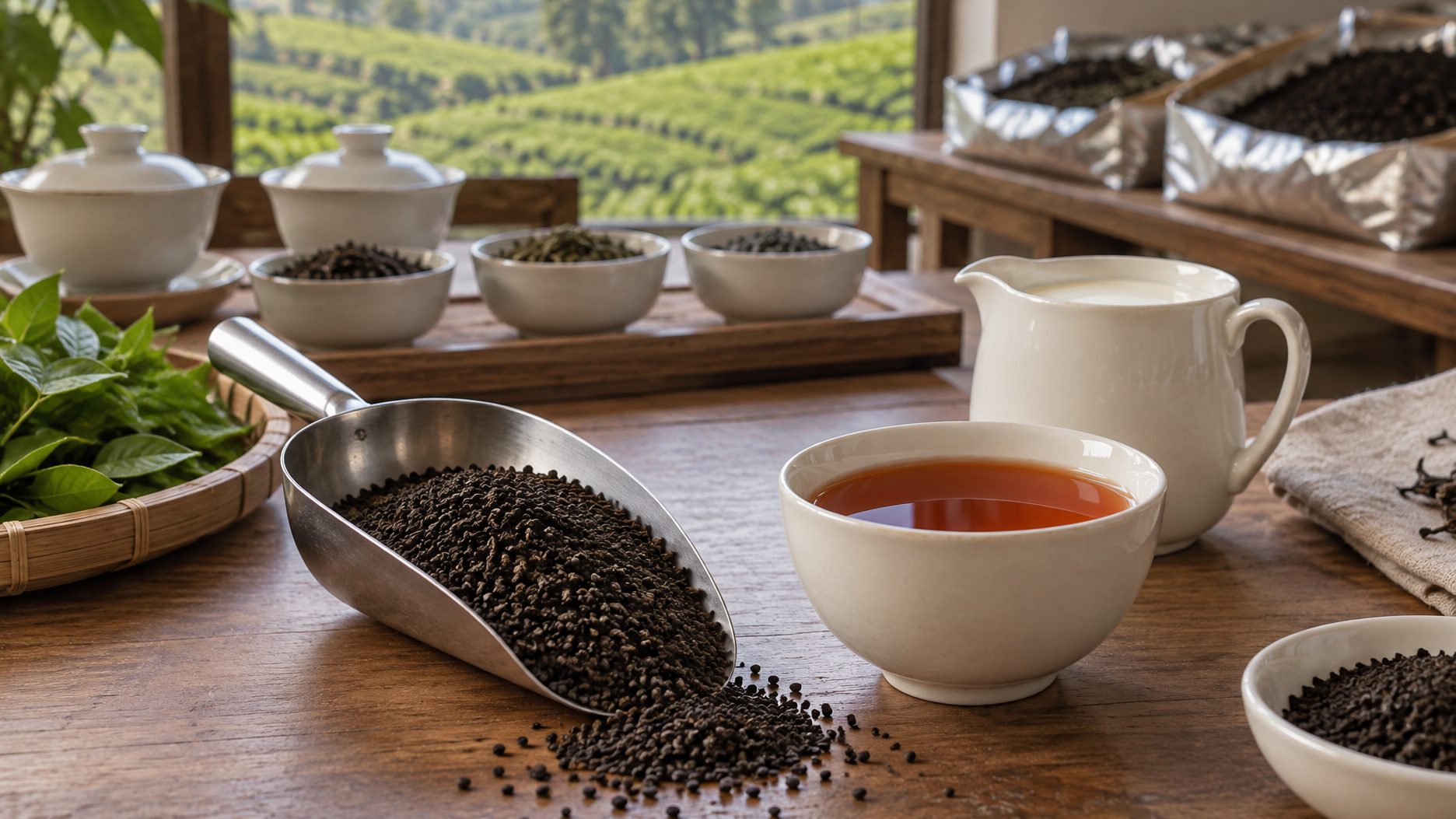
| Black tea | Fully oxidized for strength and red liquor | 8, including CTC for milk tea and origin imports |
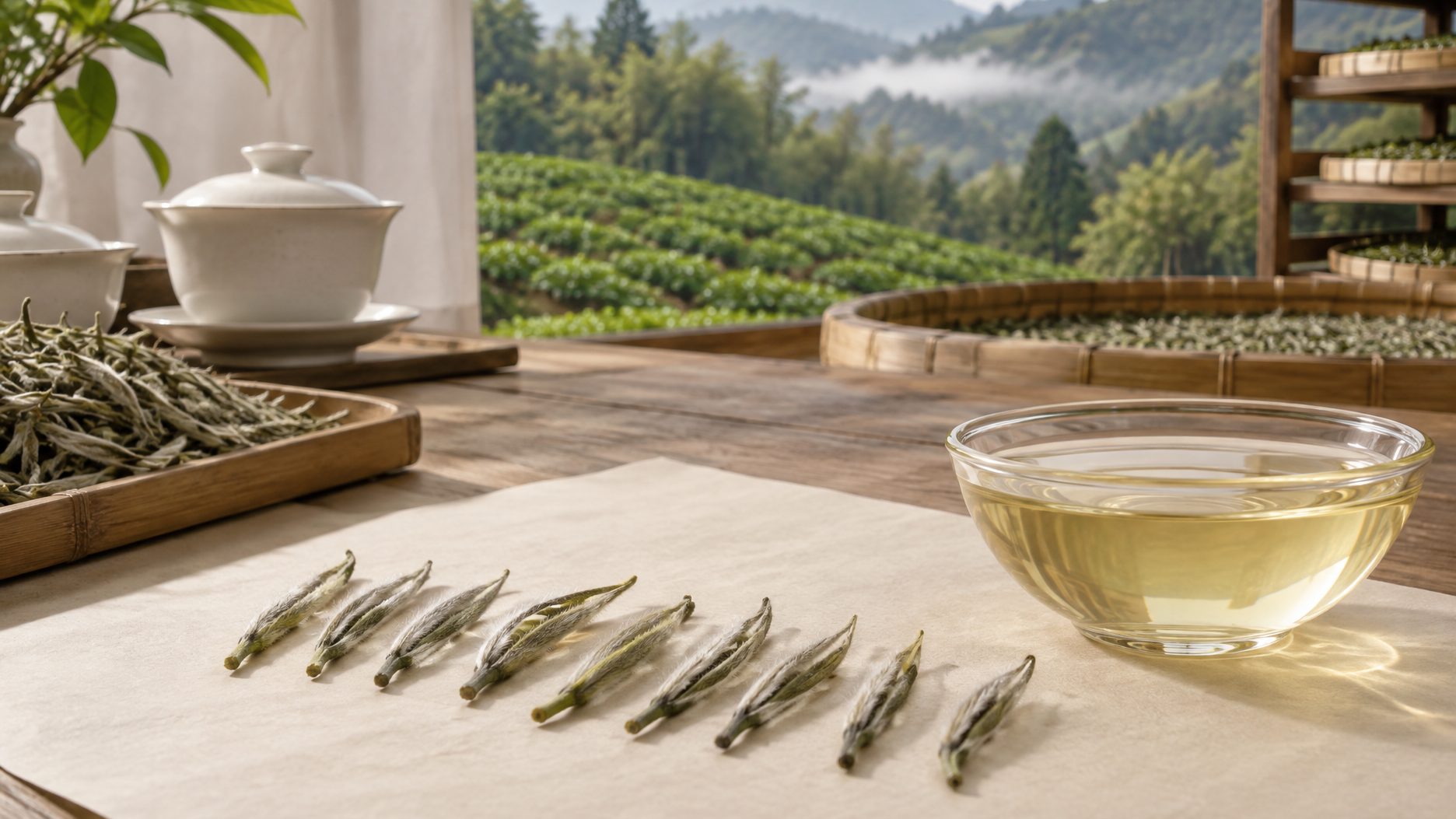
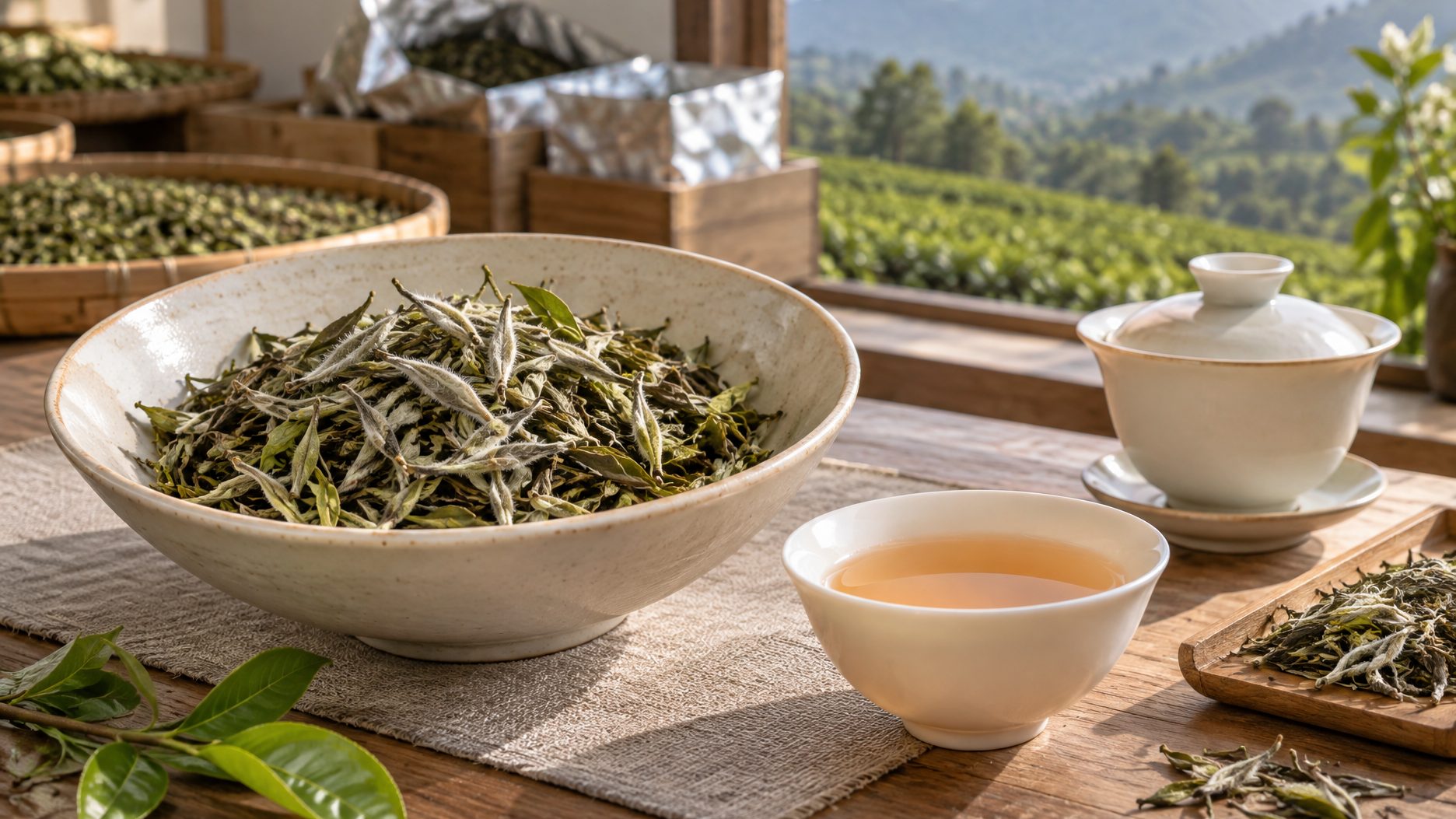
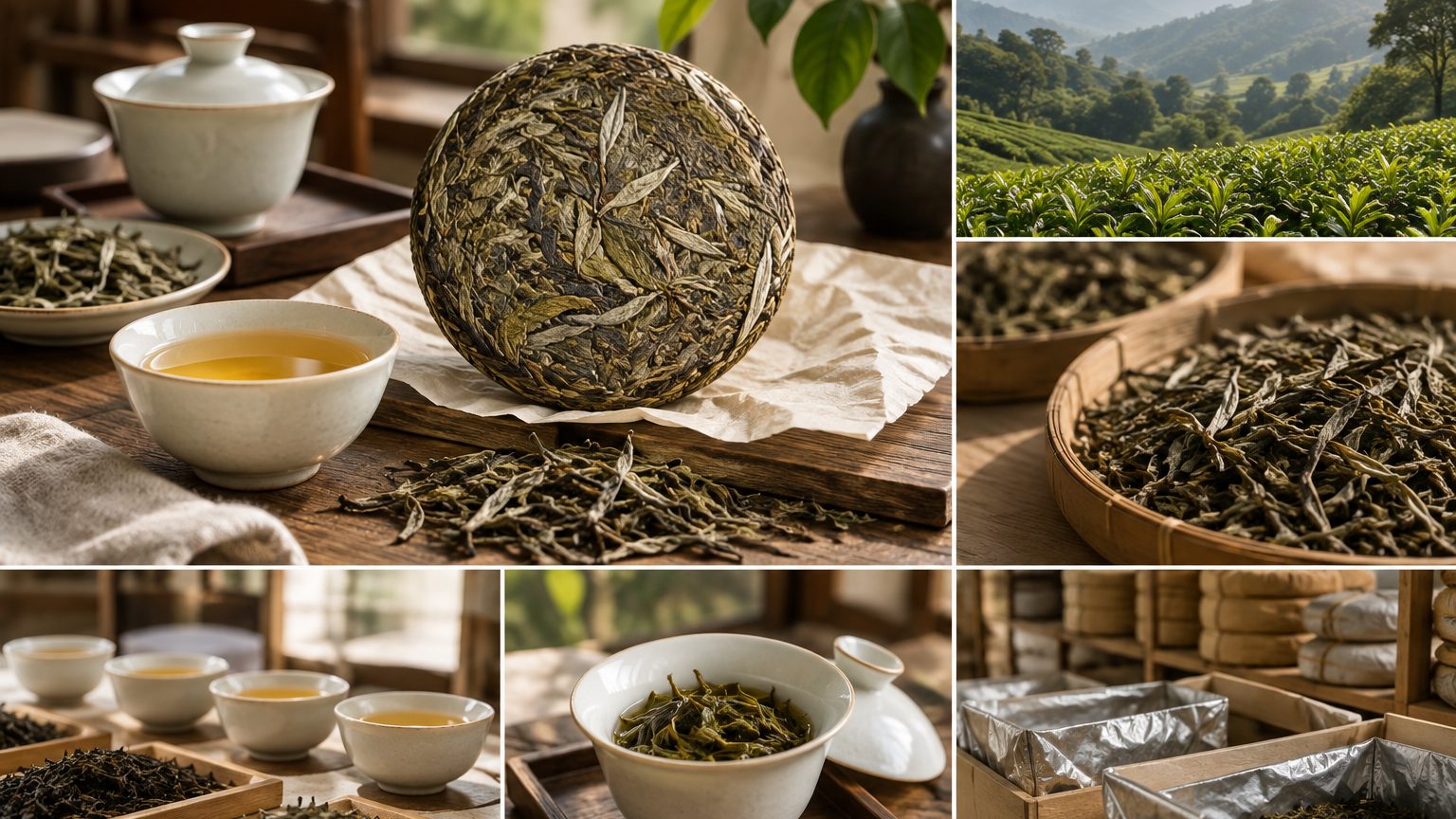
| White tea | Just withered and dried; minimal handling | 4, Silver Needle to Shoumei |
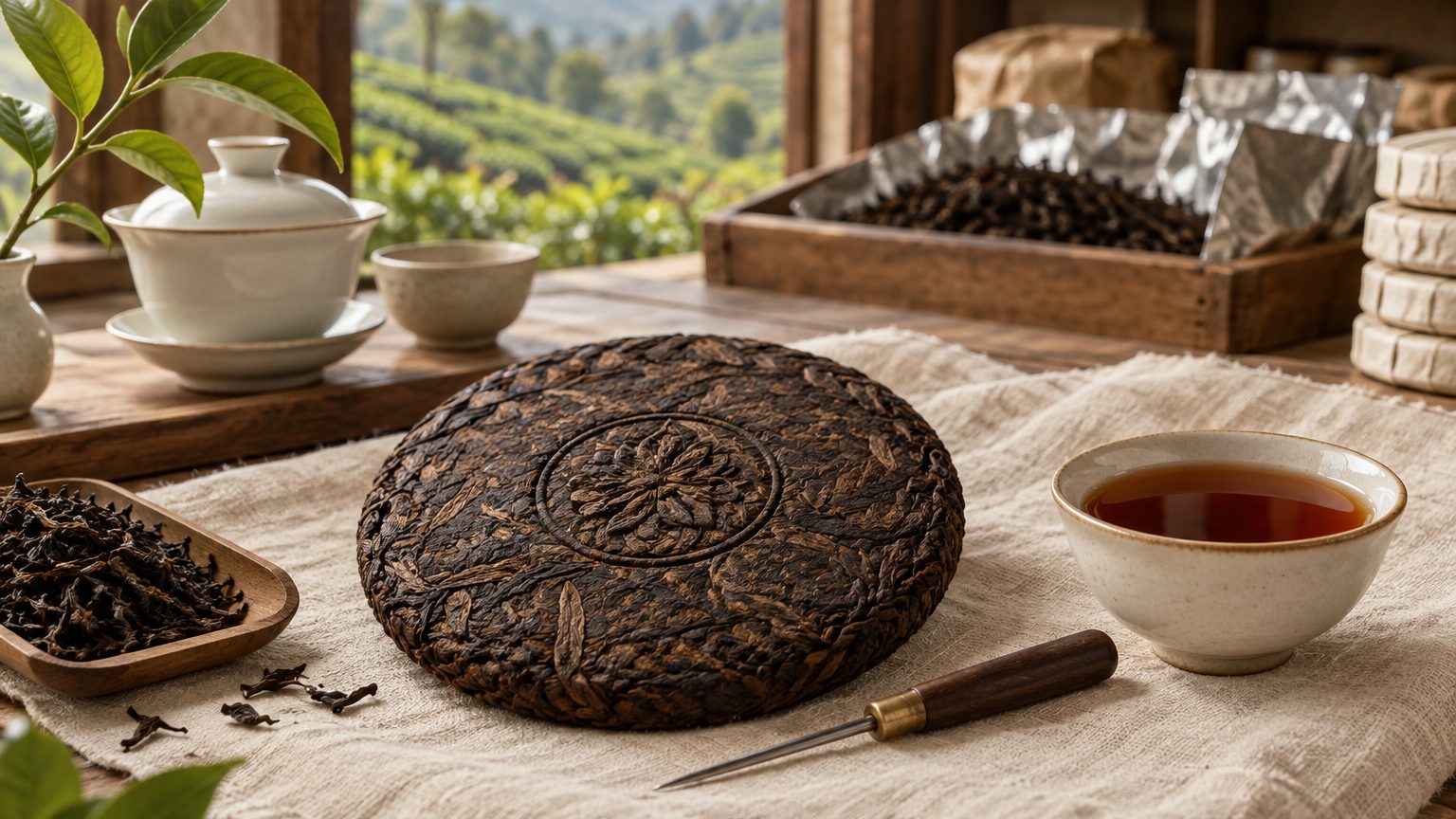
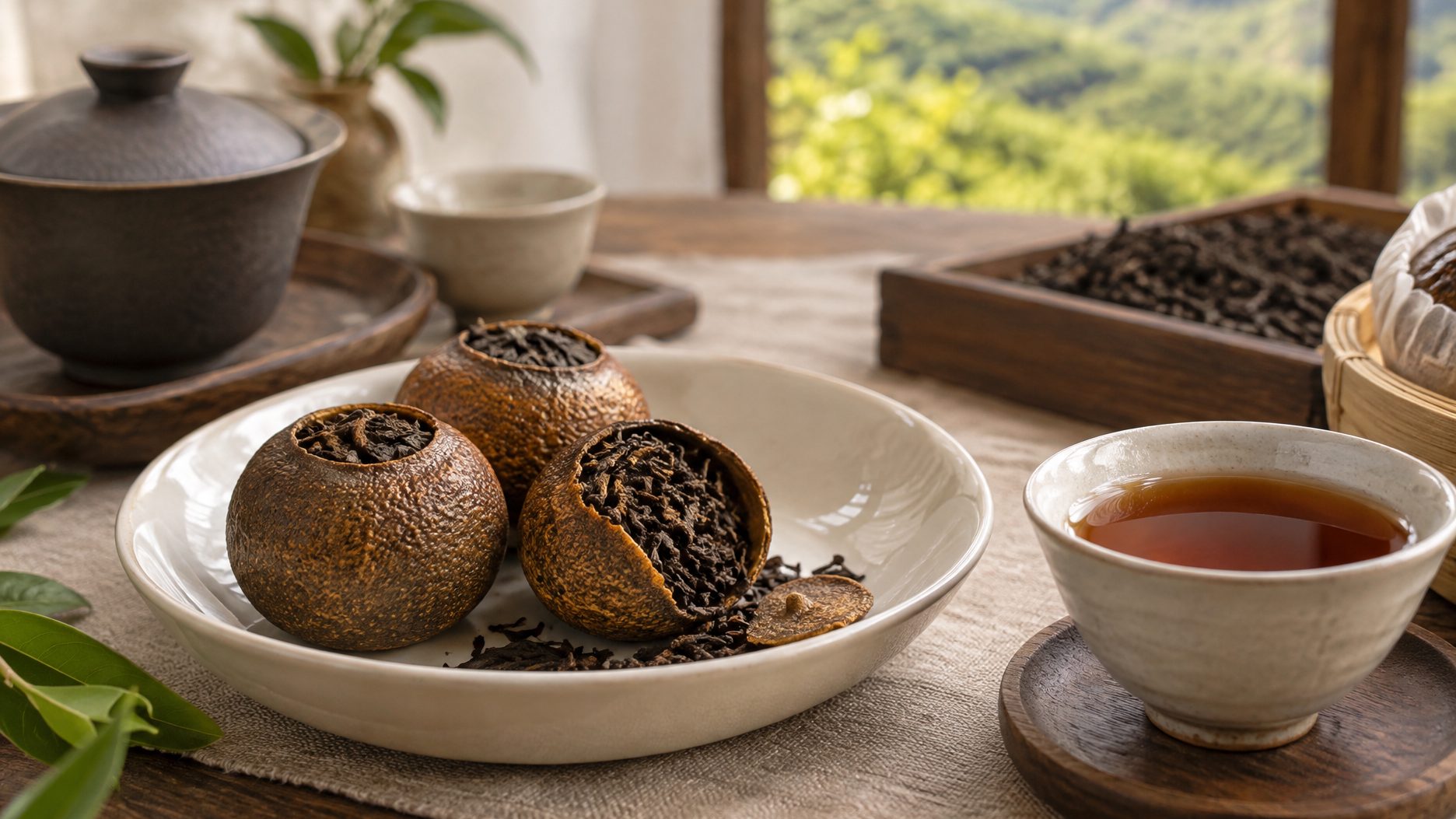
| Pu-erh tea | Sun-dried maocha, pressed, aged or wet-piled | 3, raw cake, ripe cake, chenpi |
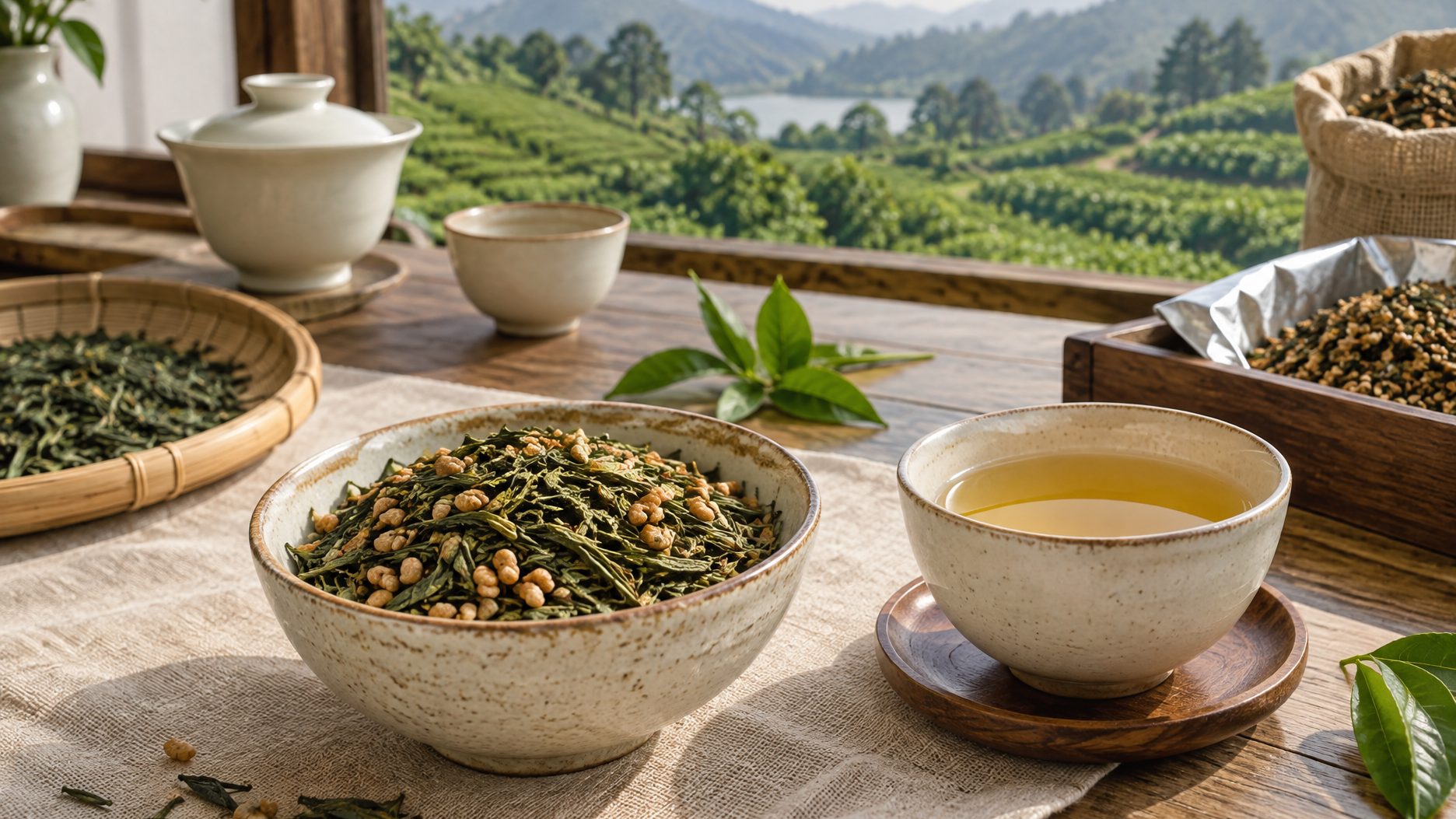
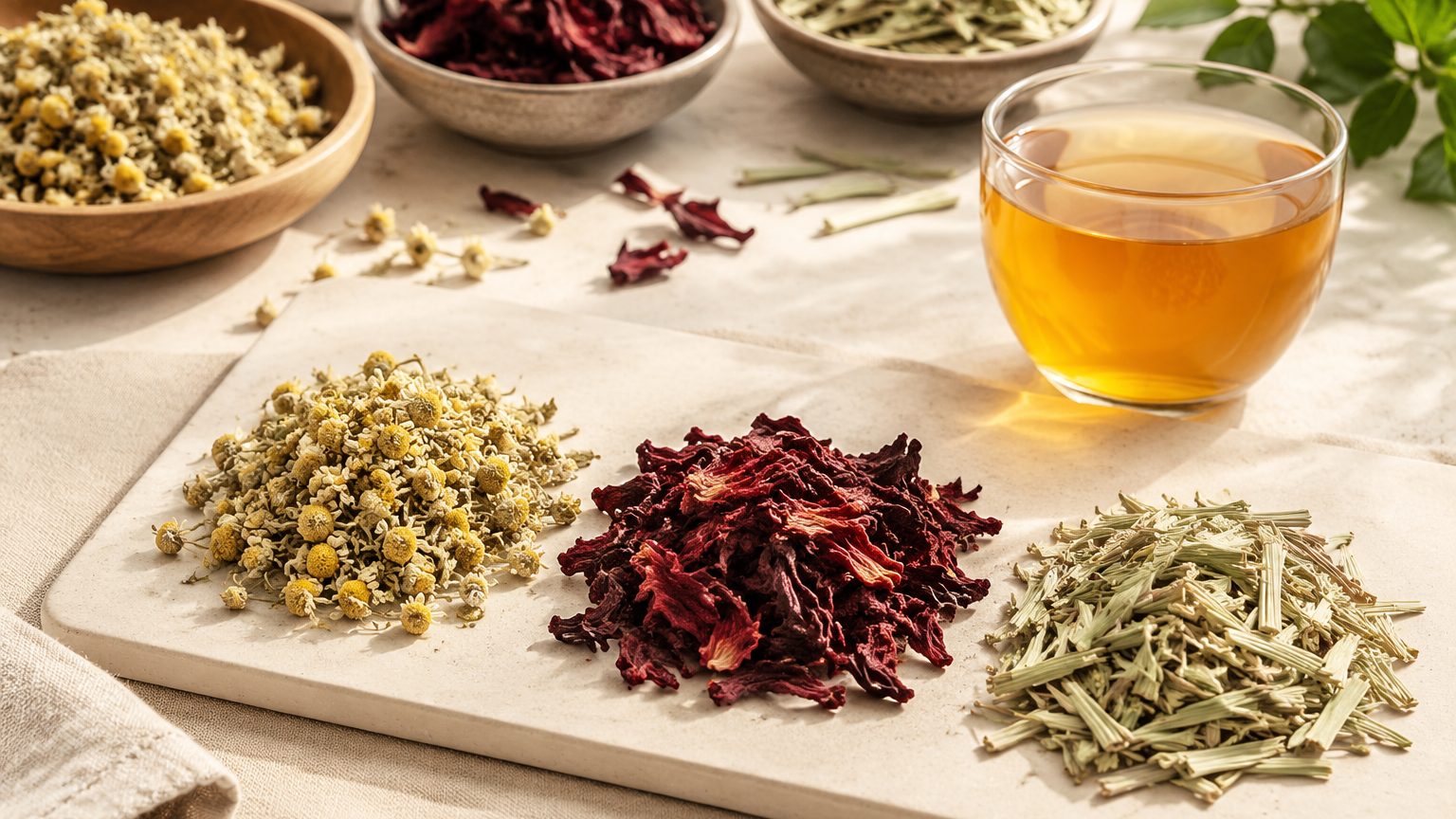
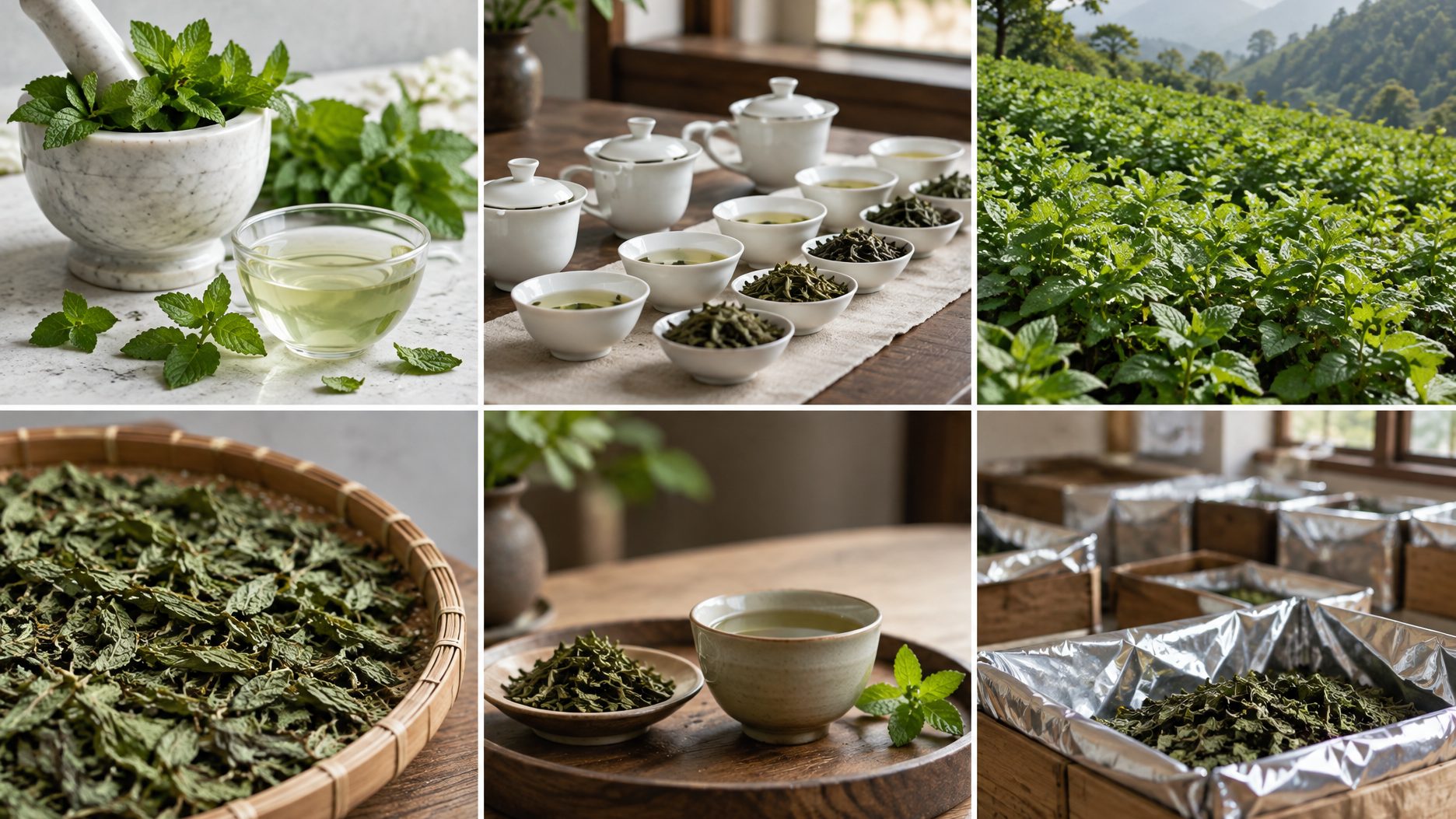
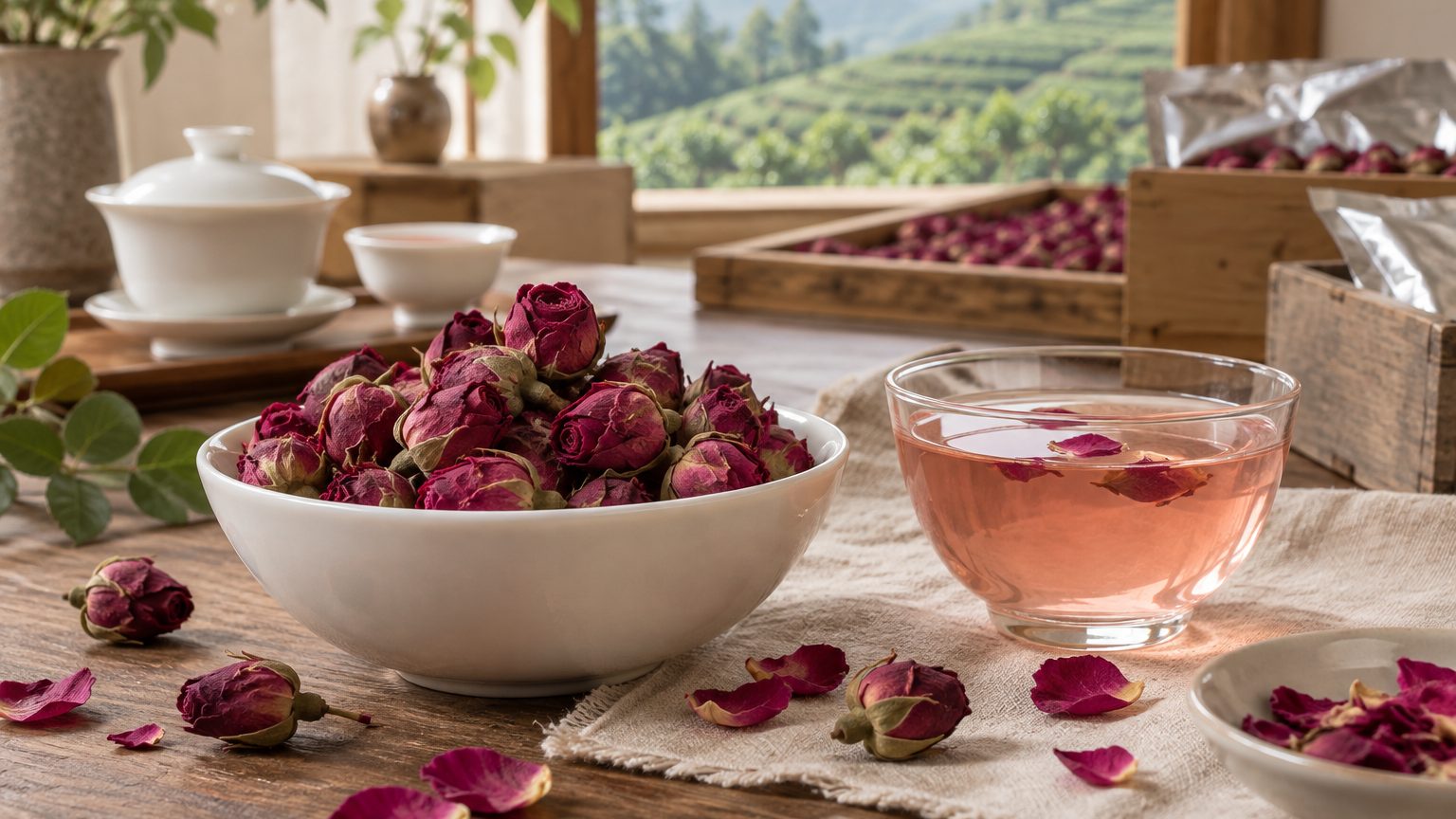
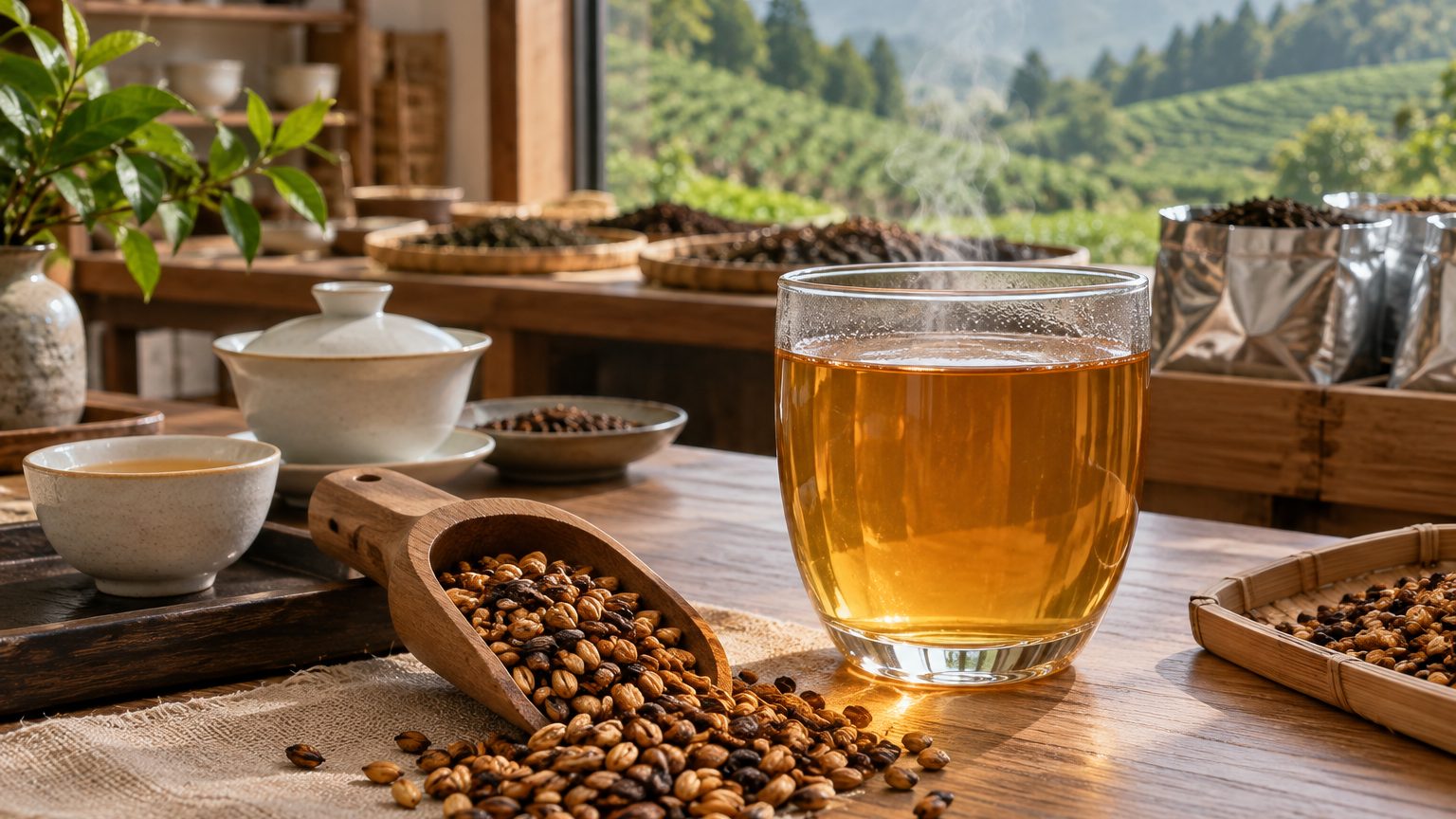
| Herbal and barley | Not from the tea plant; no caffeine unless blended | 5 blends including peppermint and barley |
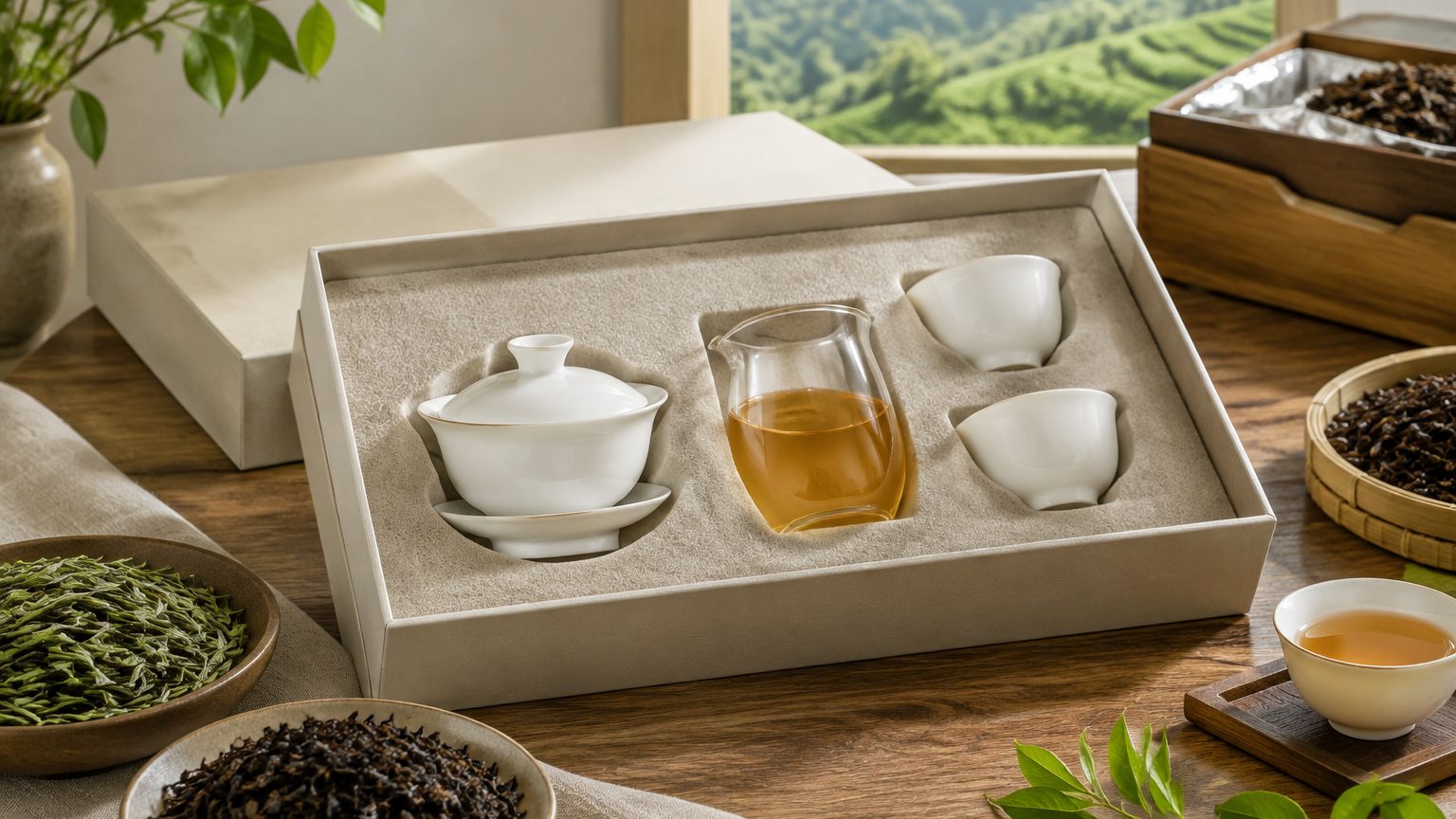
| Accessories and packing | Gift boxes, tea sets, pyramid bags filled or empty | 4 program formats |
Choosing by cup, not by name
Two buyers asking for "oolong" may need opposite teas: a bubble-tea brand wants tannin structure that cuts through dairy and ice, a tea house wants a high-aroma Dancong that survives six infusions. This is why the desk starts every program with a cup profile - strength, aroma type, bitterness tolerance, liquor color - and only then picks the line and grade. The category hubs below map the options; the quote form turns the profile into samples.
Formats and what they change
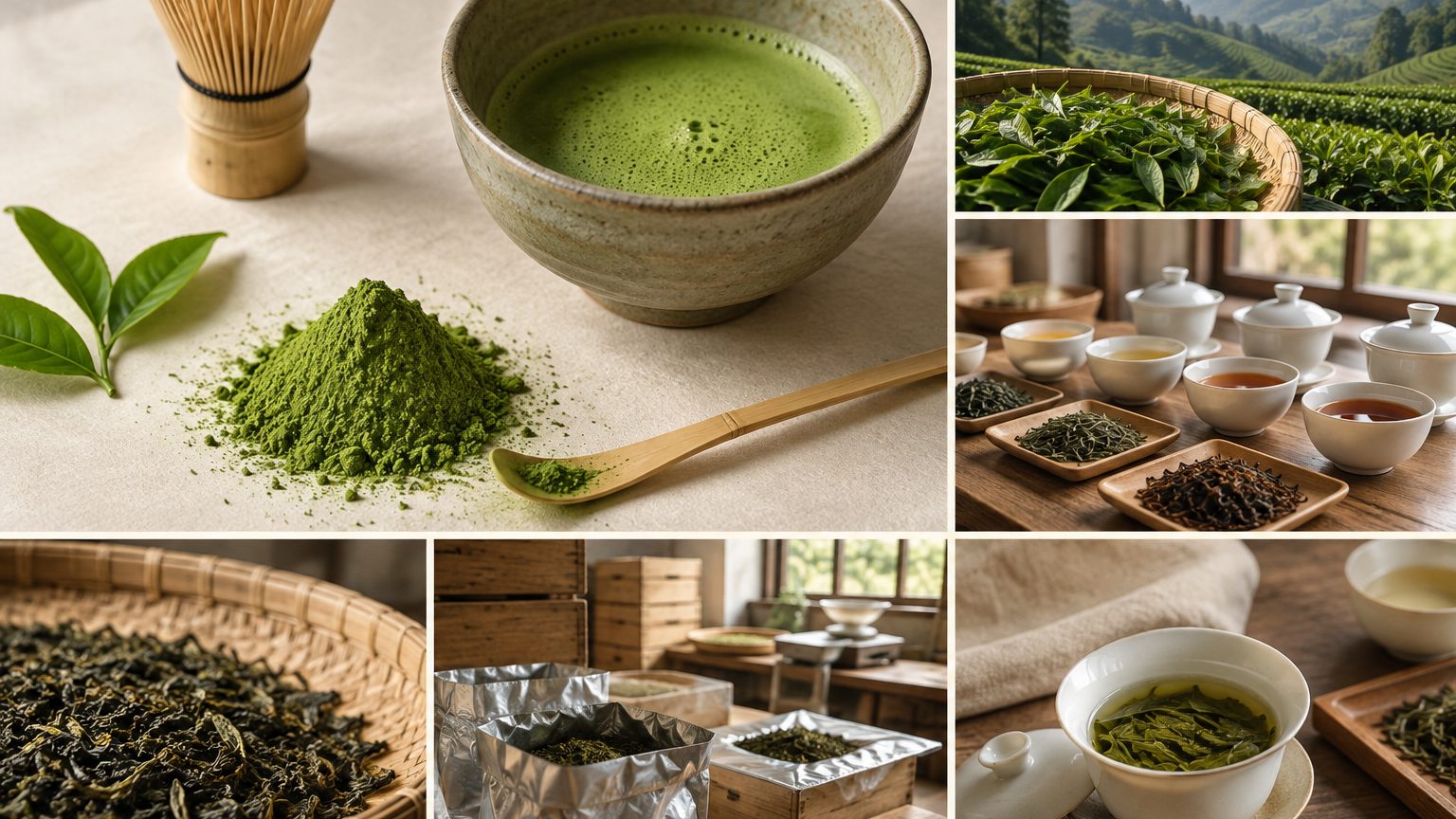
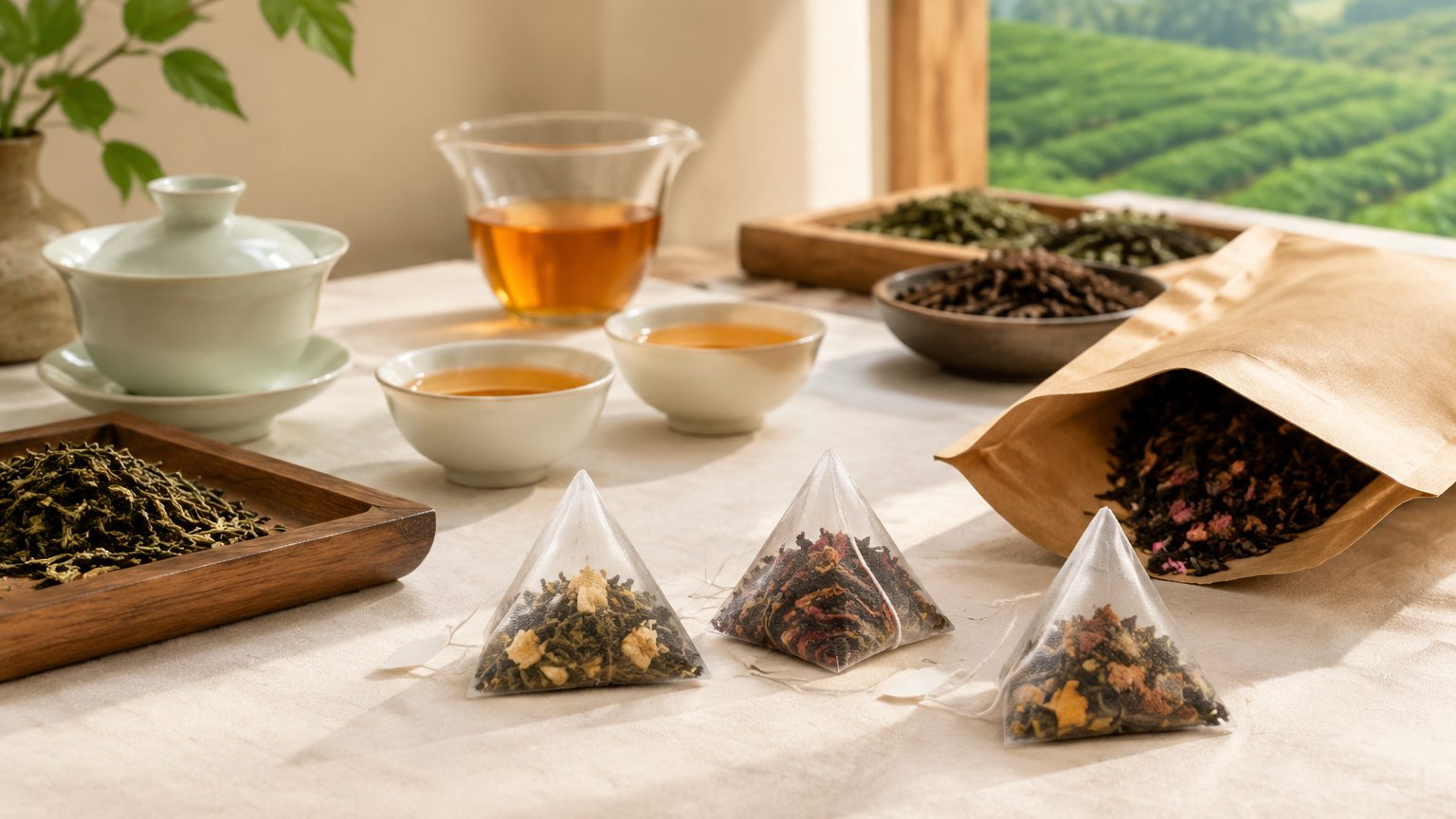
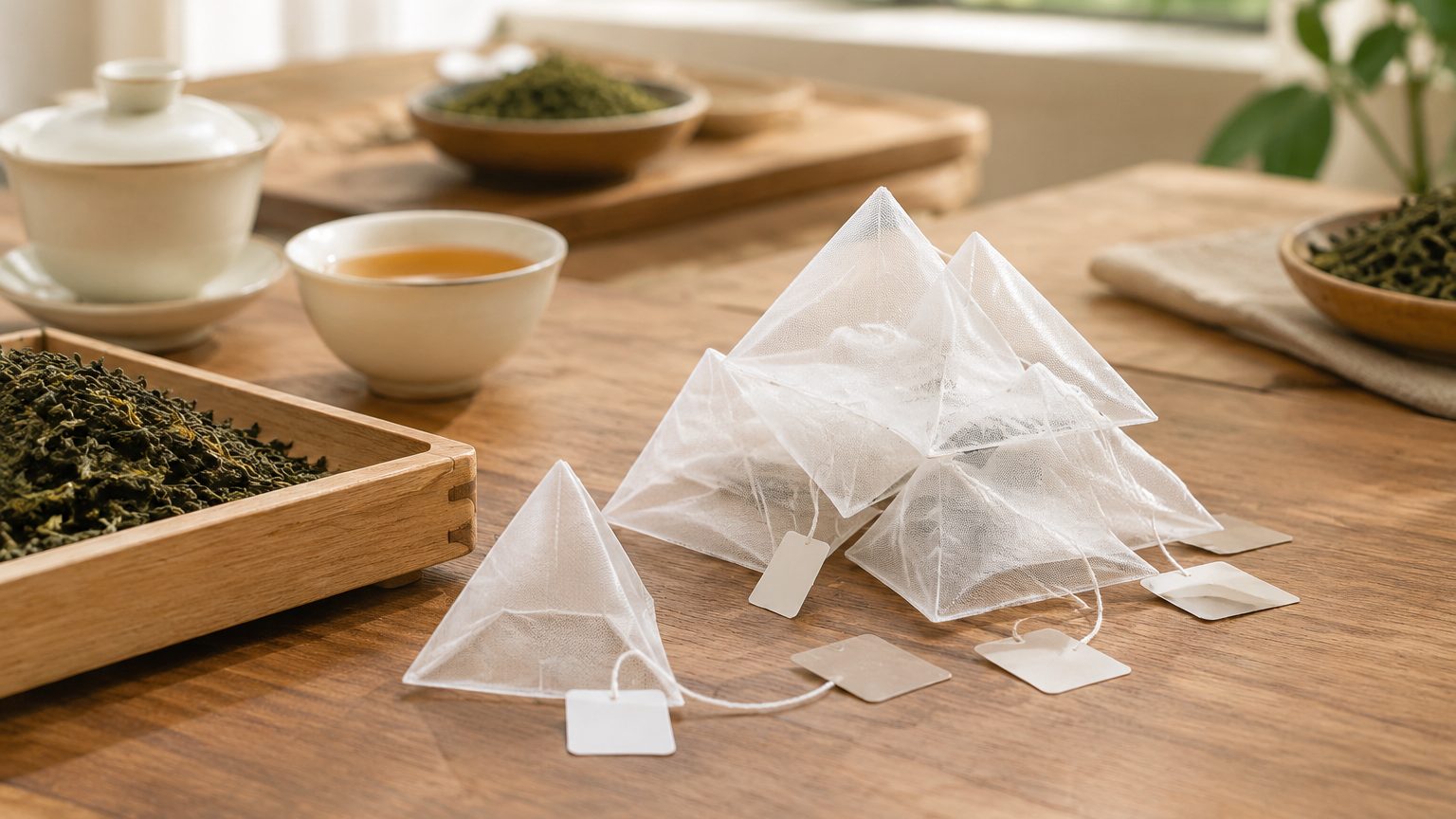
The same tea ships as loose leaf, in pyramid bags, pressed, or ground. Format changes more than packaging: it changes the grade that makes sense, the MOQ, the shelf life and the label claims. Pyramid bags want broken-leaf grades that infuse fast; pressed cakes want material that improves with age; matcha wants shade-grown tencha ground to spec. The desk prices each format as its own program - see packaging options.
Prices, MOQ and how offers work
No prices are published anywhere on this site - not because they are secret, but because tea prices move with harvest outturn and a printed number goes stale in weeks. Offers are written per program against current lots. MOQ follows the same logic: each line carries a typical reference range - bulk loose leaf from 50-100 kg per item as the standing example - and the binding figure is the one in your written offer. The practical path is short: pick candidates here, send the brief, receive samples and a written offer, then decide on the cup, not the brochure.
How the catalog is maintained
The 39 lines are not a museum; the desk prunes and adds against what programs actually reorder. Lines earn their place by repeat behavior - a category that only sells once a year is said so plainly on its page - and candidates enter through a season of samples before they get a standing slot. What this protects you from is the silent swap: suppliers who substitute a similar-looking tea when a lot runs short. Here, substitutions require written approval against the golden sample, and a swap without one is a claim, not a delivery. The catalog page you are reading is regenerated with the site, so what you see always reflects the standing list, including the seven category hubs that group the lines.
Seasonality, briefly
Green teas are a spring event: pre-Ming Longjing is picked before early April and the best lots are gone within weeks. White teas also center on spring. Oolongs have spring and autumn seasons; rock oolongs reach market after summer roasting. Pu-erh and herbal lines are year-round. If your launch window is fixed, the desk plans the harvest calendar backwards from it - the buying calendar is explained under MOQ and lead time.
What every line ships with
- A cupping sheet: dry leaf, liquor, aroma, taste, wet leaf, against the reference sample.
- Brew parameters: ratio, water temperature, time, and expected infusions.
- A lot record: origin, harvest window, process notes, packing date.
- Lab panel per batch from a third-party laboratory, issued in your name.
- Pack options with MOQ ranges, confirmed in writing per program.
Browse by category above, or if you already know the profile you need, send it to the desk and let samples decide.