
What makes a green tea green
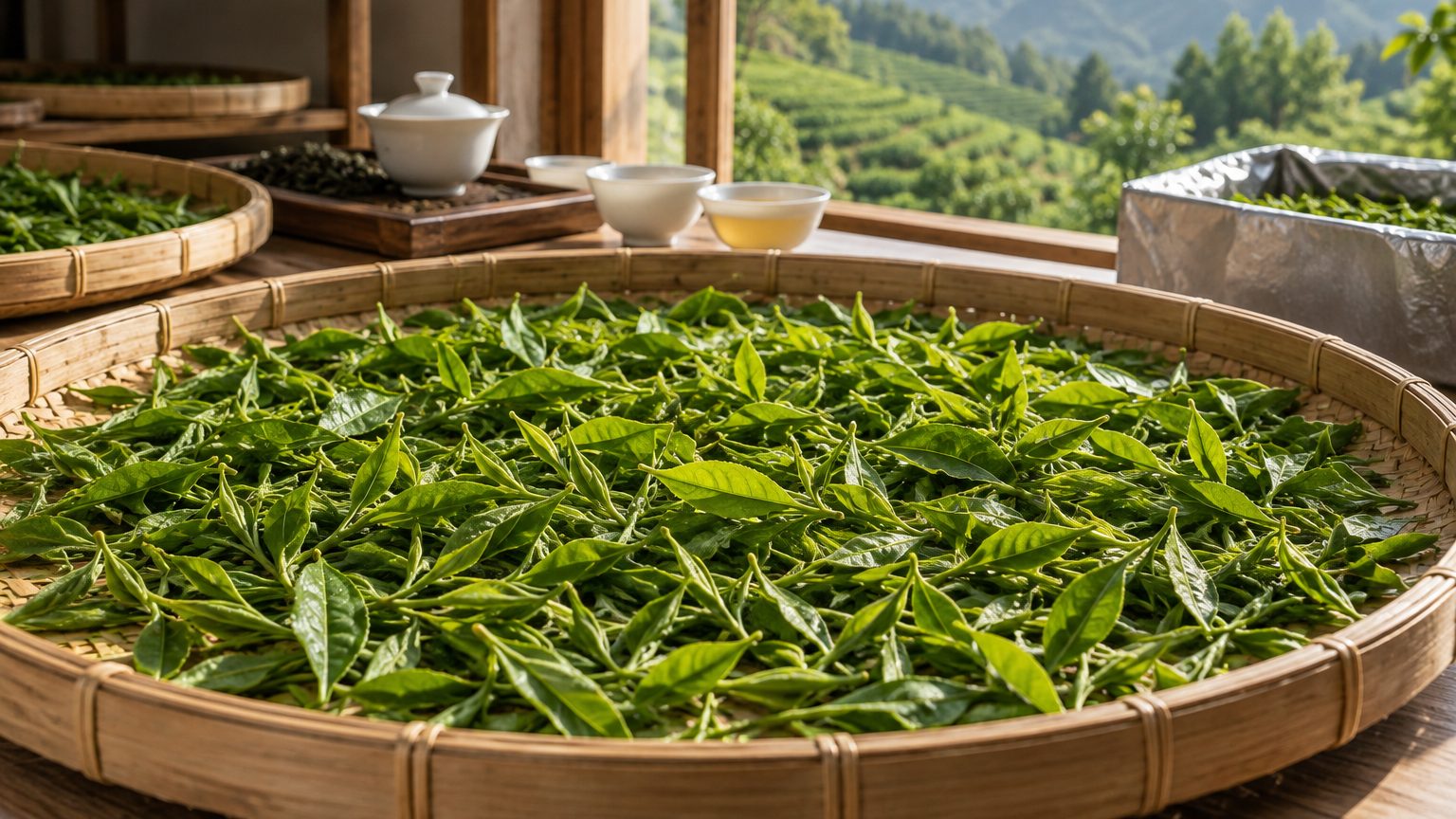
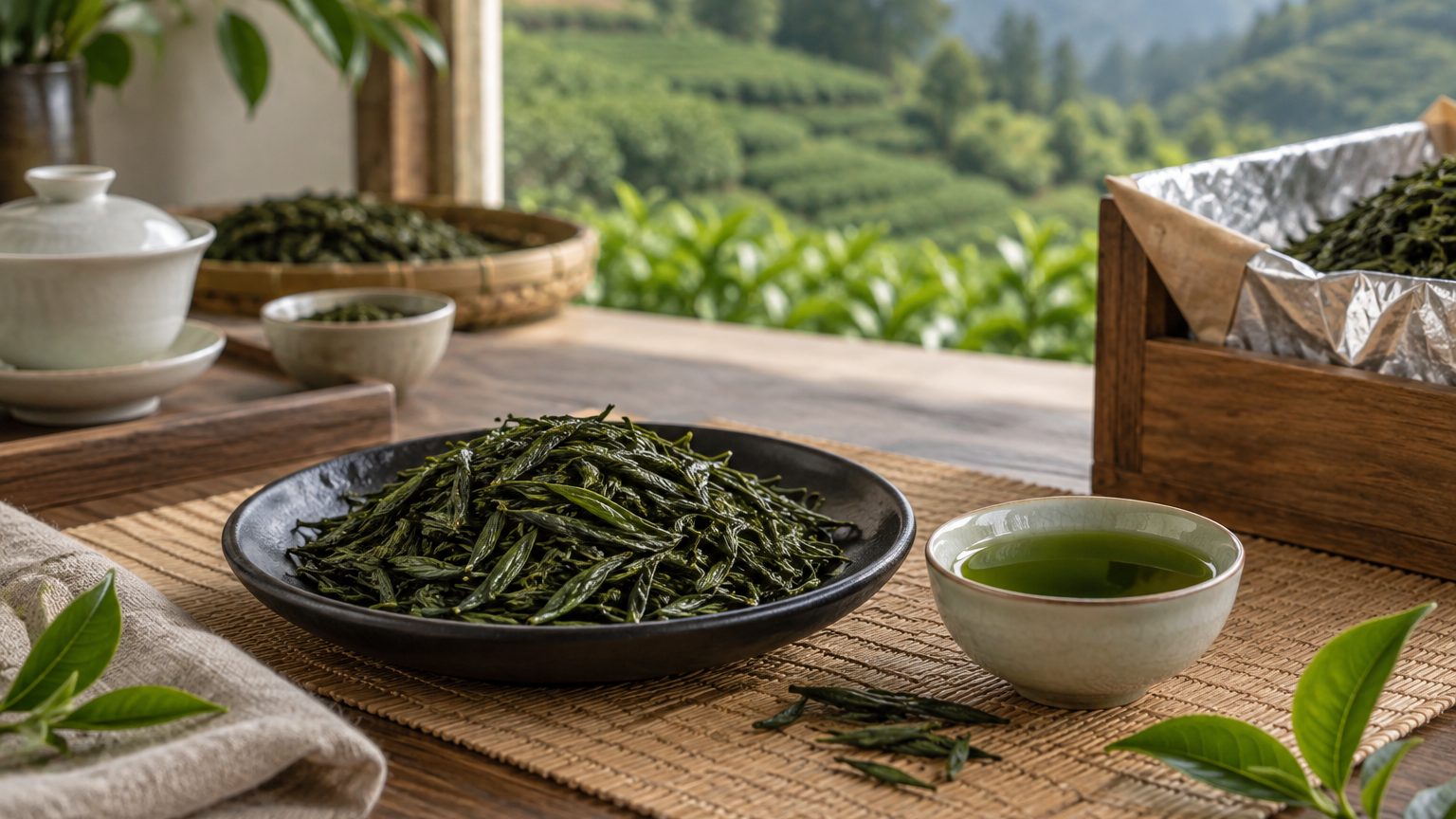
Picked leaf starts oxidizing the moment it is picked. Green tea processing stops that: kill-green (fixing) denatures the enzymes, either in a hot wok - the pan-fired Chinese way - or in a steamer, the Japanese way. After fixing, the leaf is rolled or pressed into shape and dried. Everything a buyer cares about - the grassy sweetness, the color in the cup, how long the tea stays fresh - follows from how well that fixing step is controlled and how cold and dark the tea lives afterward.
Pan-fired vs steamed: the taste split
| Style | Lines | Cup character | Markets that favor it |
|---|---|---|---|
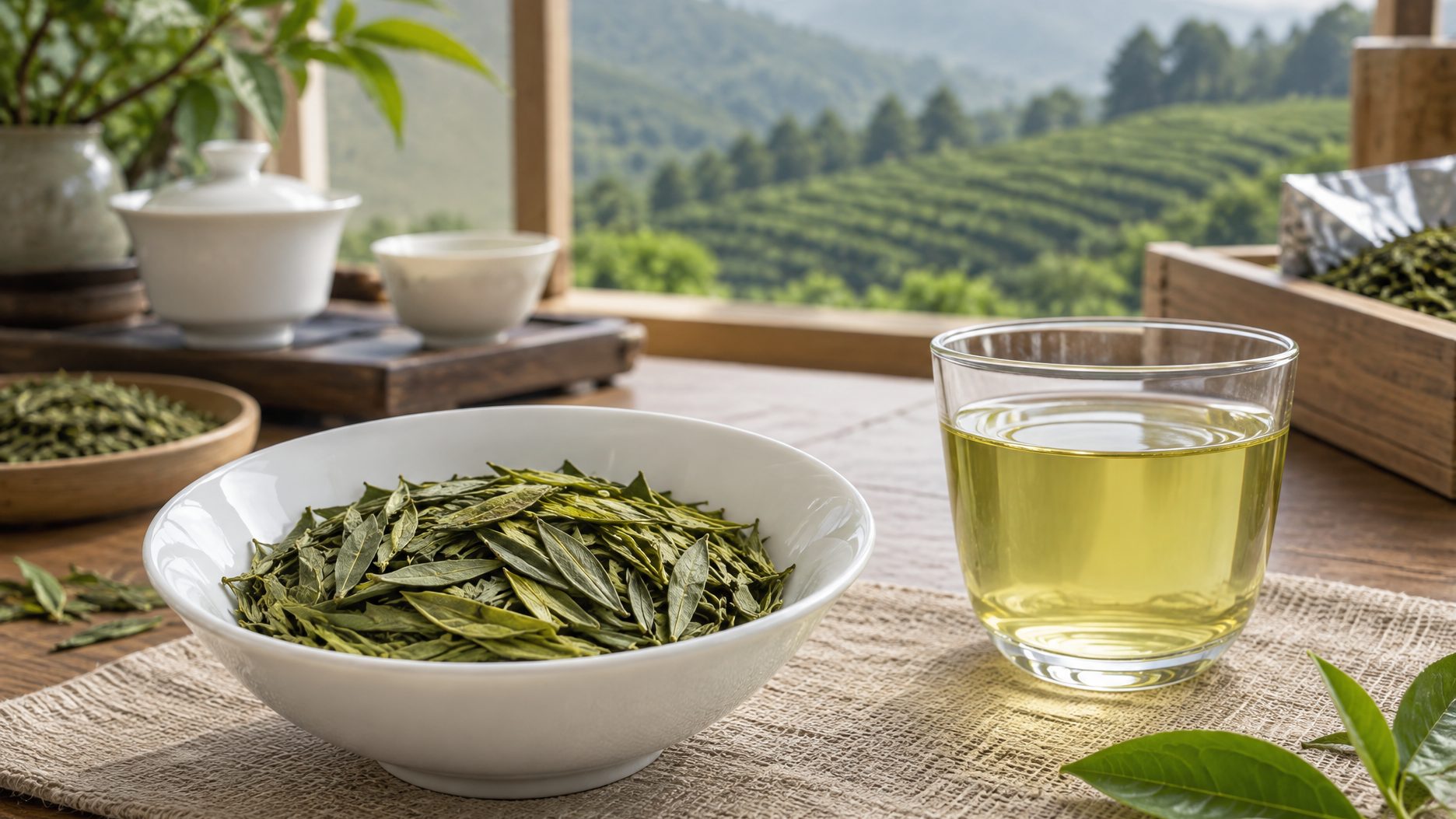
| Pan-fired, flat | Longjing | Toasty, chestnut, smooth | China-focused retail, gifting |
| Pan-fired, curled | Biluochun, Maofeng | Floral, delicate to round | Premium retail, tea houses |
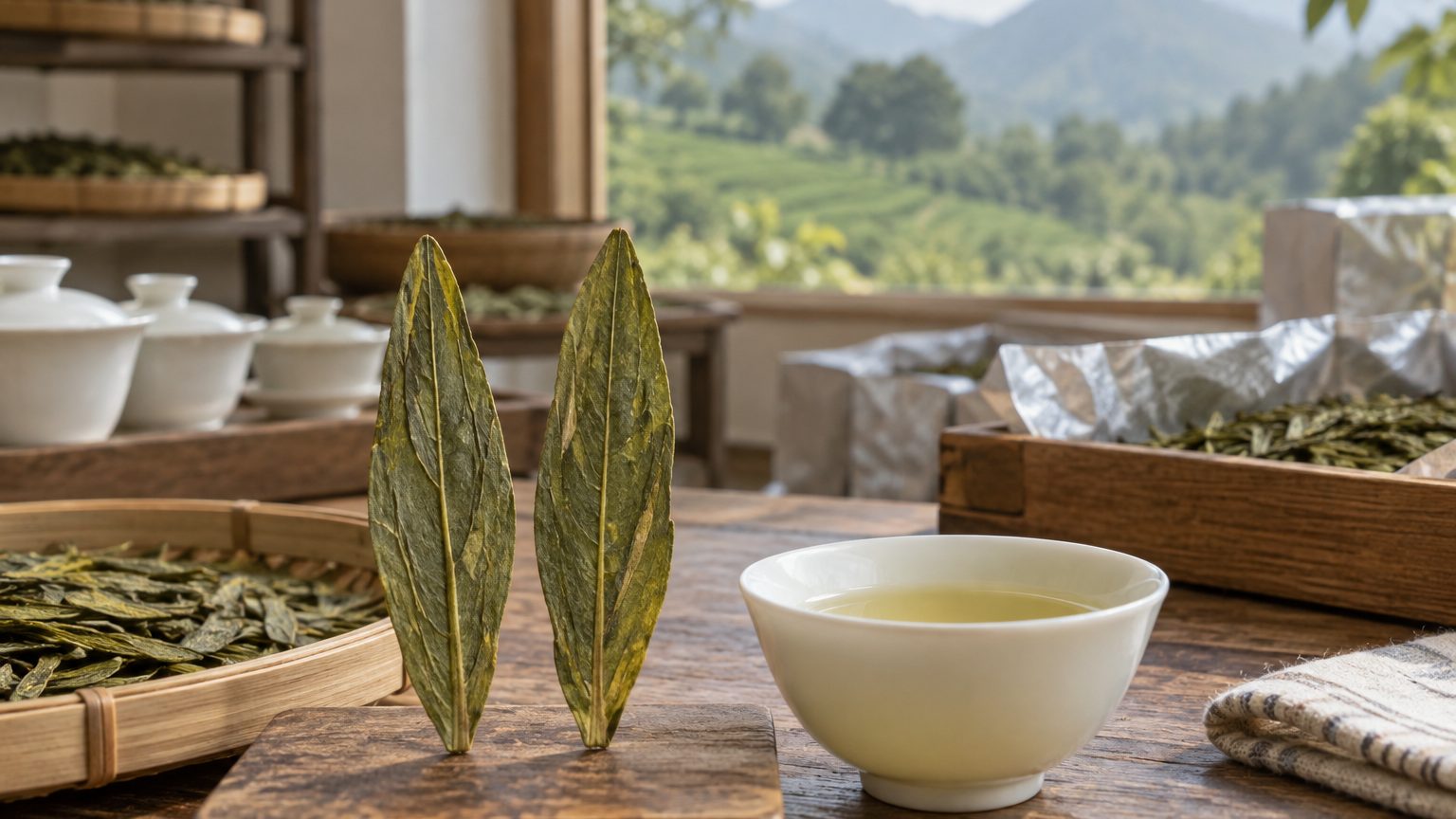
| Pressed flat, large leaf | Houkui | Orchid aroma, clean | Specialty retail |
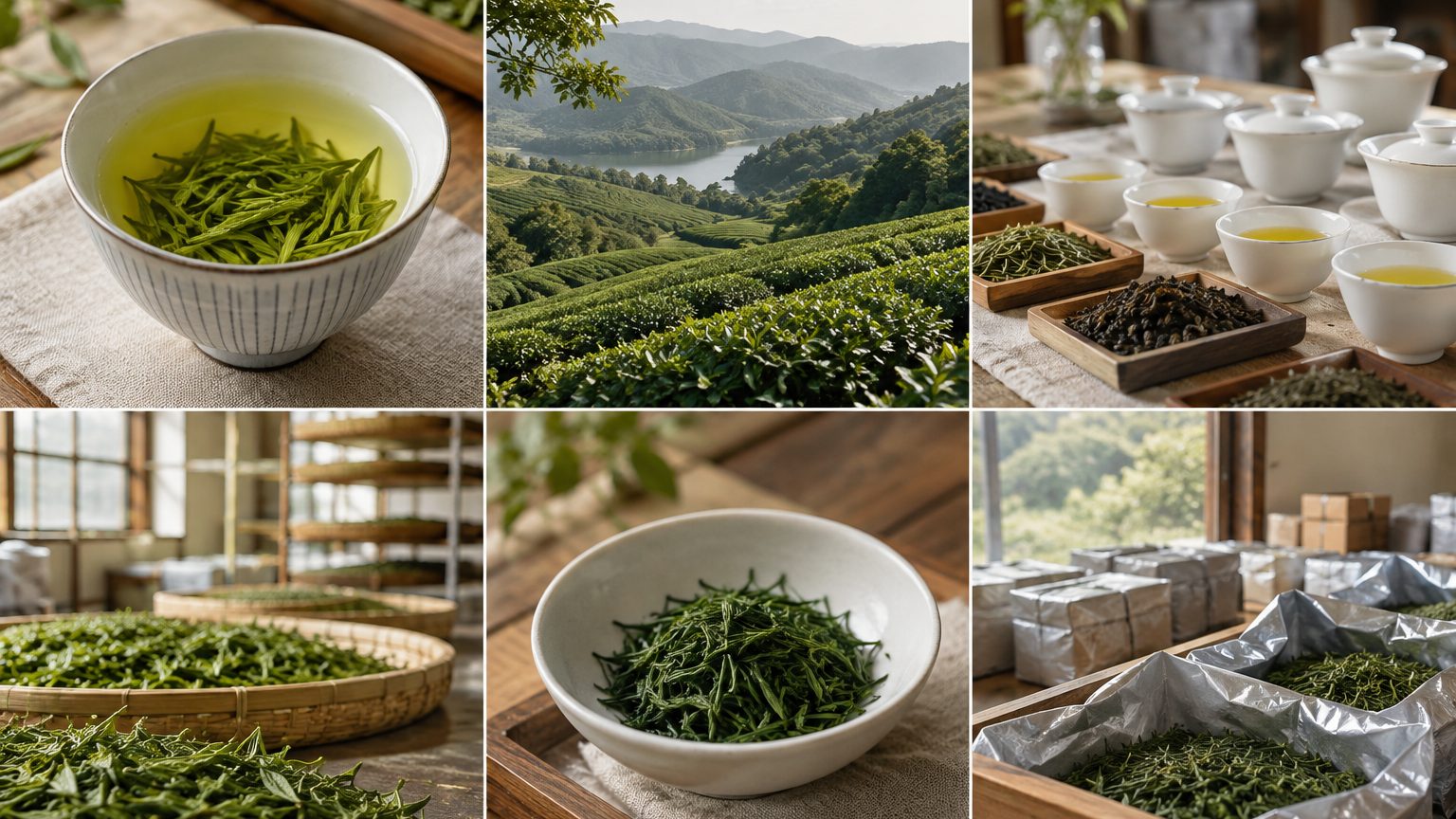
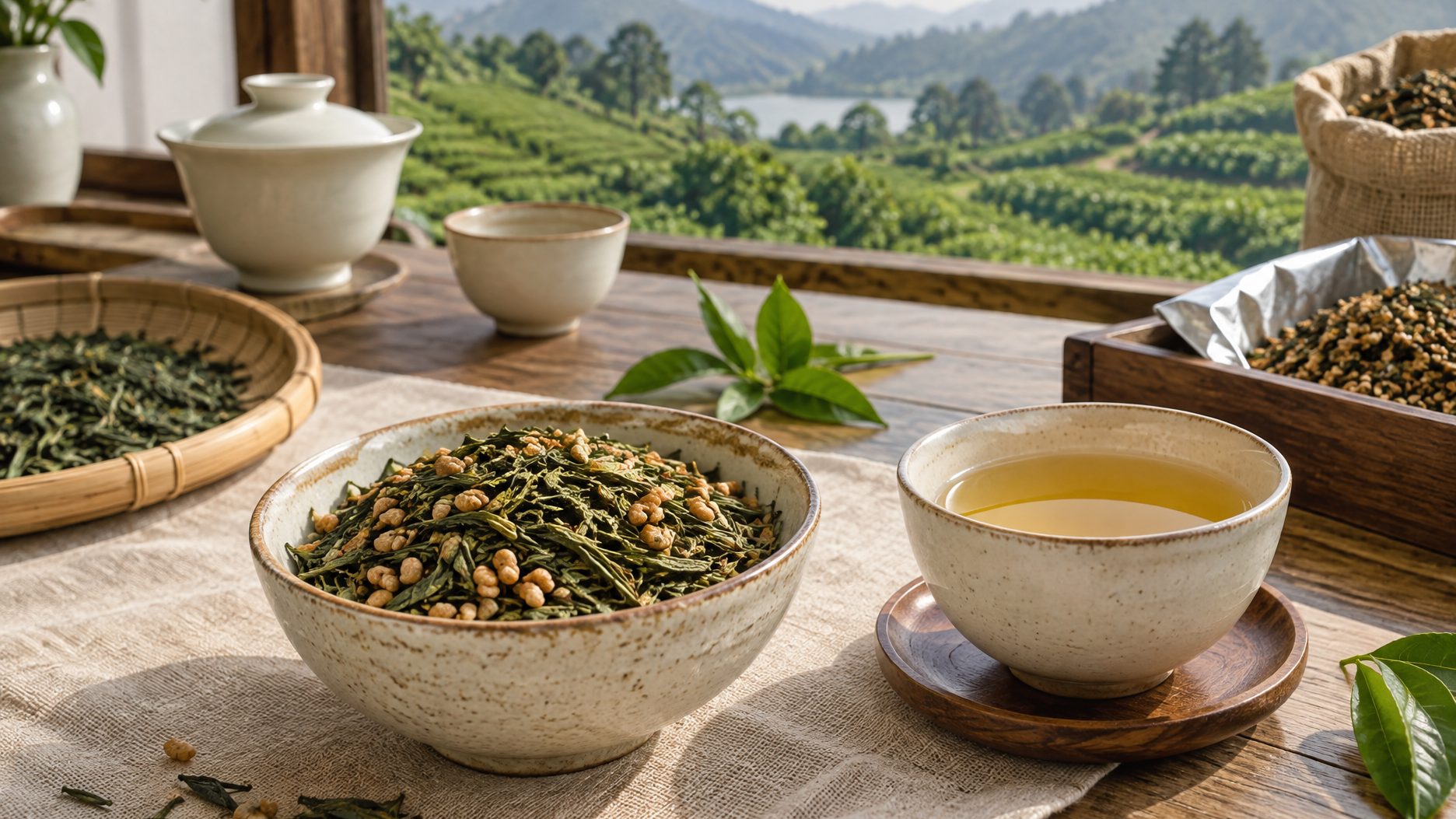
| Steamed (Japanese) | Sencha, Gyokuro, Genmaicha | Vegetal, umami, marine | Japanese food retail, cafes |
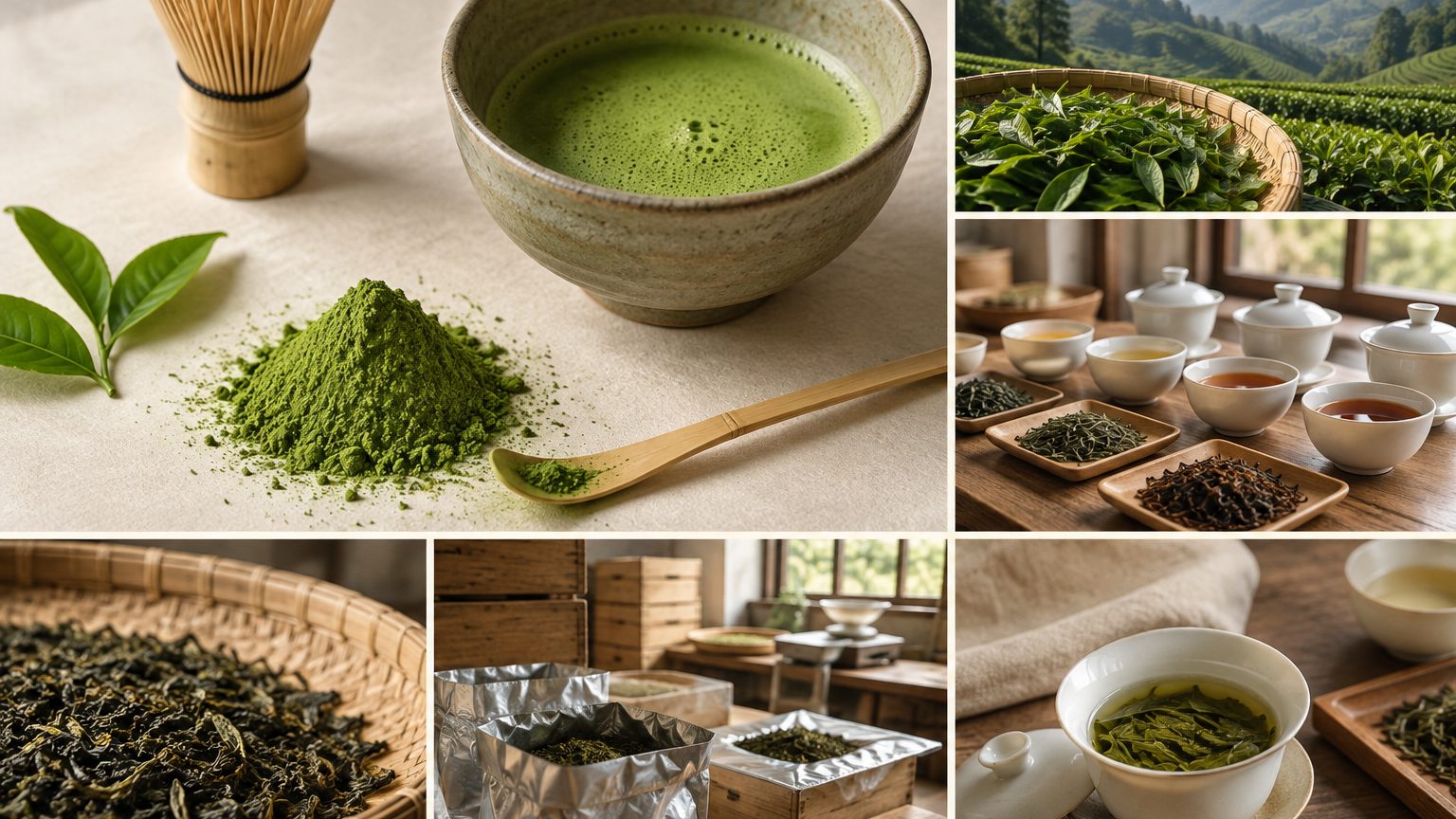
| Powder | Matcha (food grade) | Thick, sweet-bitter | Beverage brands, bakery |
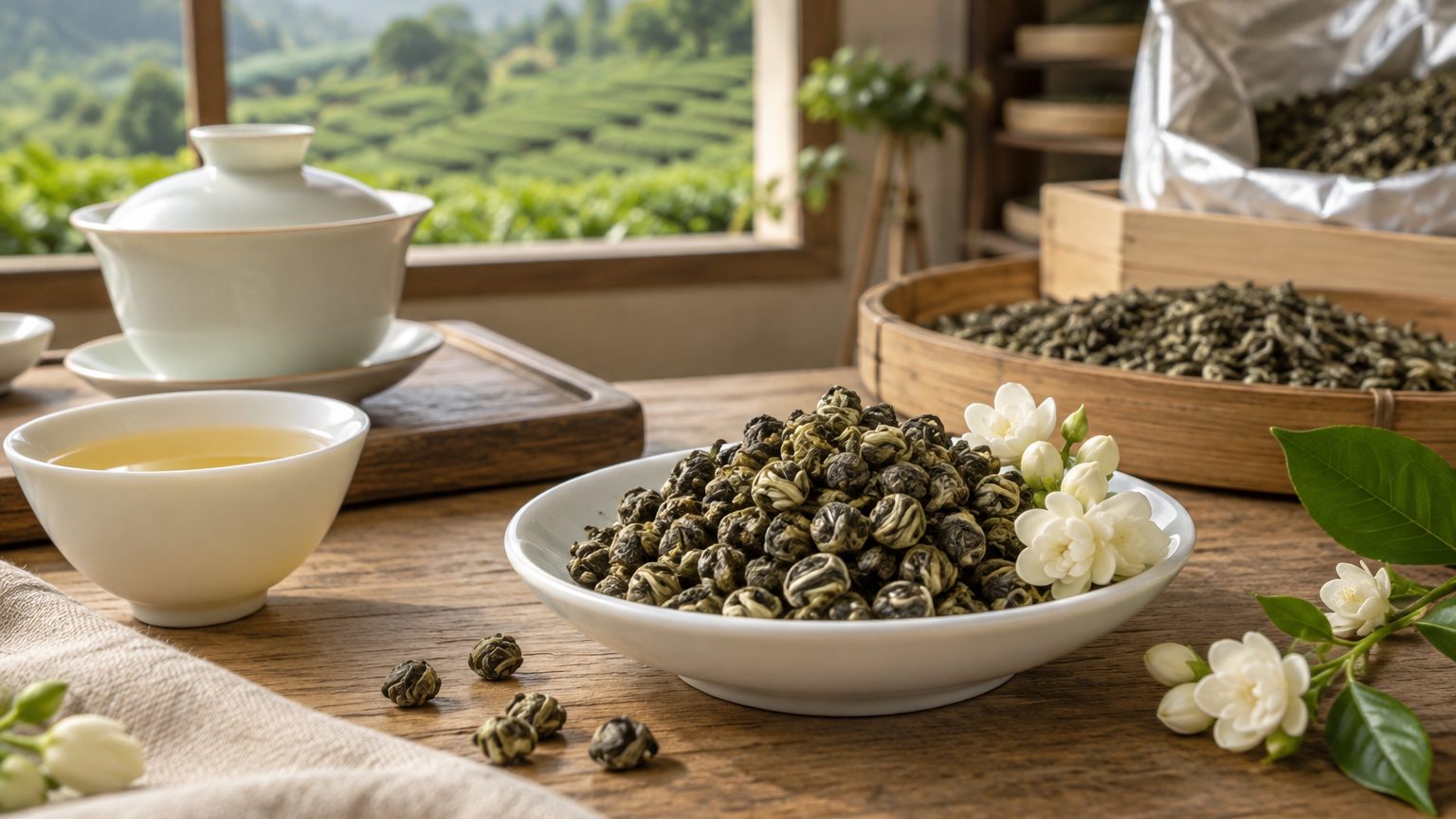
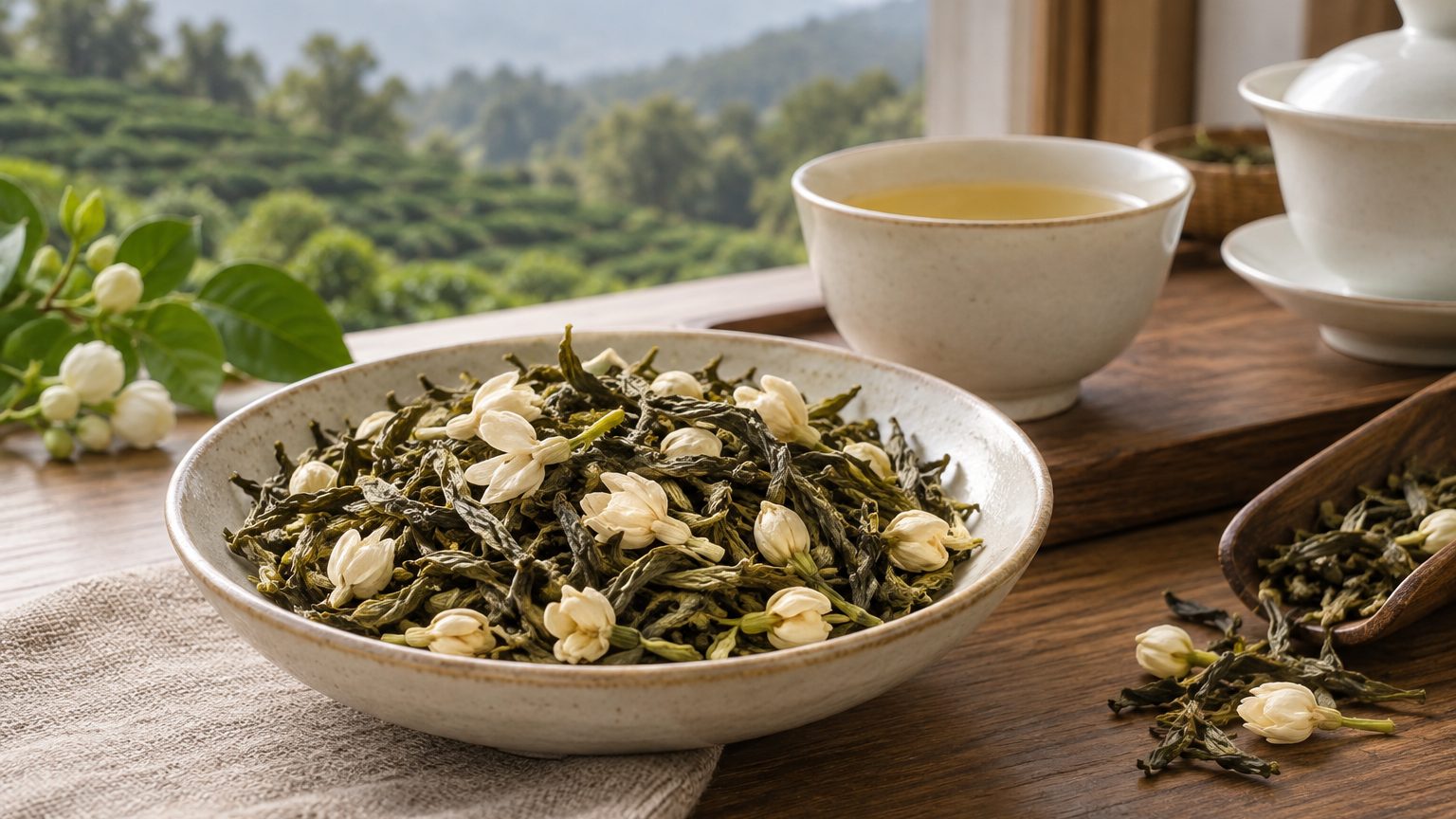
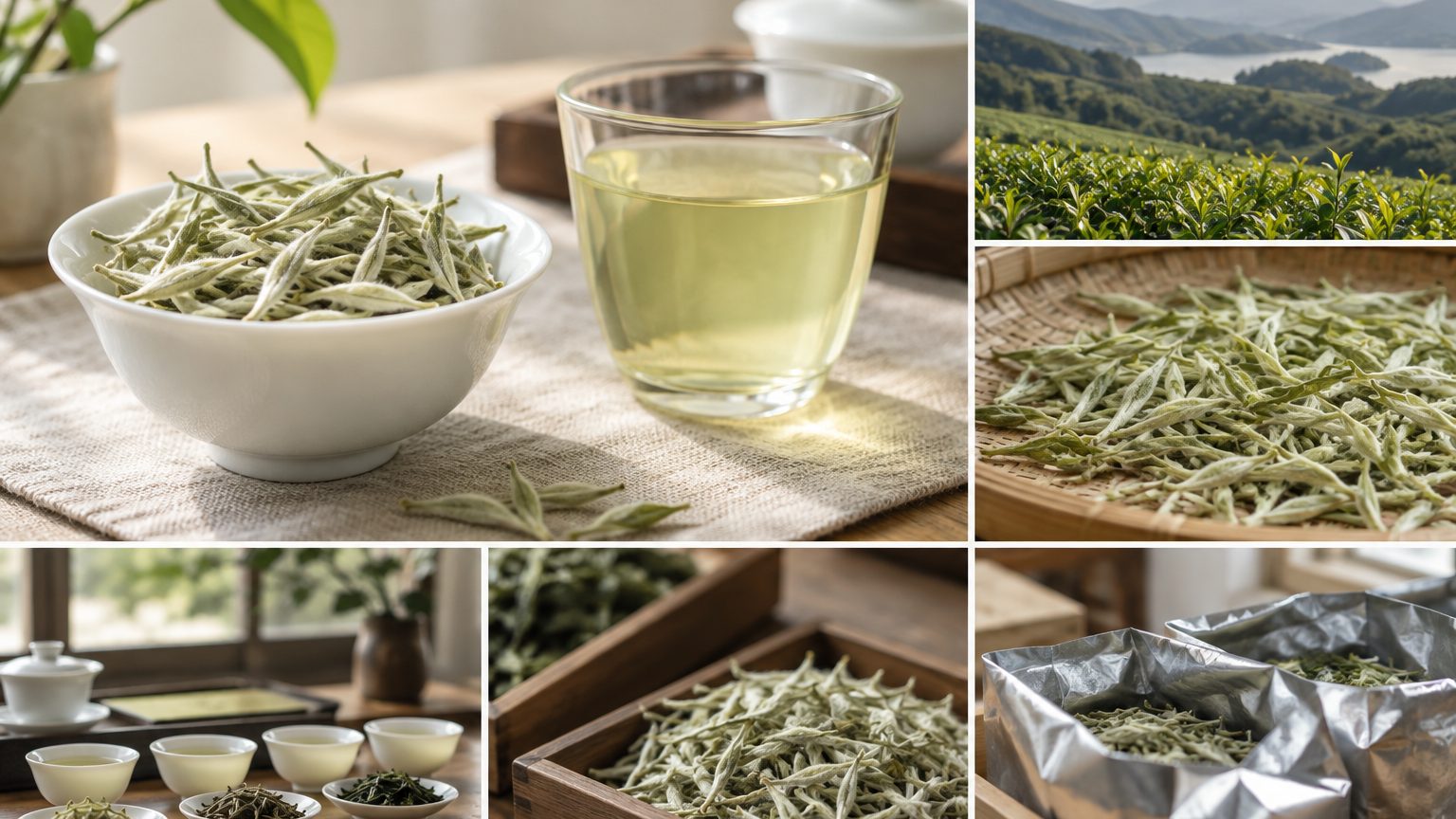
Two special cases sit in this category on purpose. Anji white tea is named white but processed as green - a pale cultivar picked at a stage when its amino acids peak, which is why it tastes sweet rather than grassy. And jasmine tea is green tea underneath, scented with fresh jasmine flowers in repeated rounds.
Grade signals a buyer can actually see
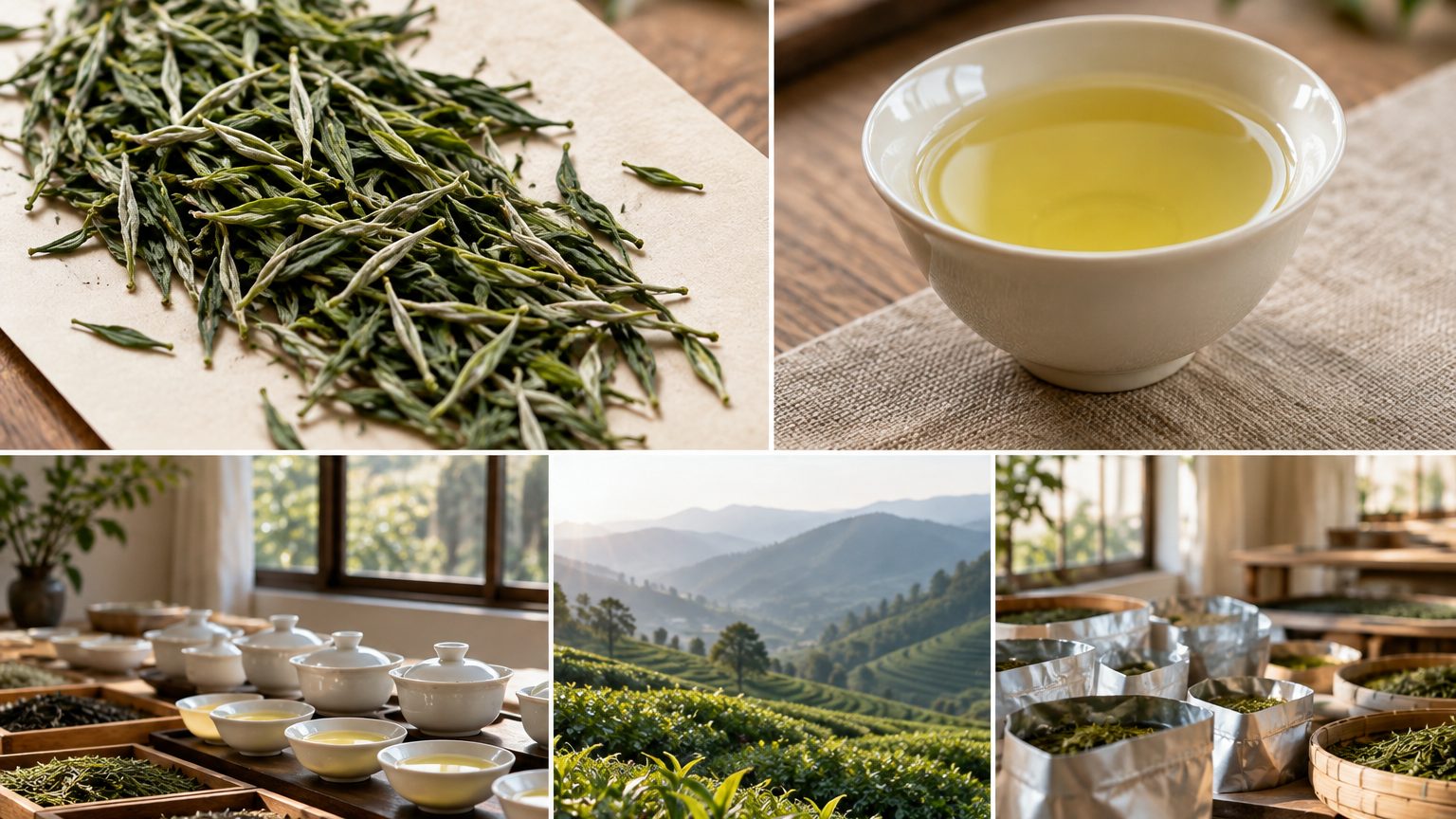
Green tea rewards buyers who read dry leaf. Uniform, whole leaves with visible buds point to careful picking and gentle handling; broken, dusty material with wide size spread usually means machine harvest plus rough finishing, which suits extraction-heavy uses (bottled drinks, blends) but not a premium pack. Color tells its own story: dull olive suggests age or poor storage, while a bright, slightly glossy green points to recent fixing and honest packing. None of these signals replaces cupping, but they cost nothing to check on arrival and catch most surprises before water is boiled. The desk's lot sheets state picking standard and leaf grade explicitly so the dry leaf in the bag matches the sheet in the box.
Spring is the whole game
Green tea does not improve with age; it fades. The market pays a premium for pre-Qingming (pre-Ming) Longjing picked before early April, and the gap between spring tea and later pickings is real in both cup and price. For a buyer this sets the calendar: spring samples circulate in April, bulk follows within weeks, and the program then lives on the previous season's stock kept cold. The desk plans orders backwards from the harvest window and stores reserve stock for programs that sell year-round.
Where each line sells best
Rough channel fit, from what the desk sees repeat-ordered: pre-Ming Longjing and Anji white tea anchor premium retail and gifting, where the story on the pack is part of the product. Biluochun and Maofeng serve the same shelves one step down in price with nearly the same freshness argument. Houkui is a conversation piece for specialty shops - the flat, foot-long leaves are unmissable on a tasting table. Japanese-style lines earn their keep in foodservice and fusion retail: sencha for daily pots, gyokuro as the up Sell on umami, genmaicha as the approachable entry, and matcha powder wherever a menu or bakery line needs a green that dissolves. The desk will say when a line is wrong for a channel - usually before you ask.
Brewing specs that survive a menu
Green tea punishes boiling water: too hot and the cup turns bitter, whatever the grade. The reference parameters - roughly 3 g per 150 ml at 80-85°C for two to three minutes - are printed on every lot sheet so your team, your customer's barista and the label all agree. For bottled or cold-brew programs the desk adjusts the recommendation and the grade, since cold extraction pulls less bitterness and can use different material.
What buyers check before bulk
- Harvest date and storage history - fresh green tea is a cold-chain story.
- Cup against reference: dry leaf, liquor, aroma, taste, wet leaf.
- Moisture and packing integrity; foil liners, nitrogen option for retail packs.
- Lab panel per batch, EU MRL or destination-market scope.
- For matcha: particle size, color, and the intended use (drink, bakery, ice cream).
Start with the flagship pan-fired line or the steamed styles, or send a cup profile to the desk and get a sample plan in writing.