
BLOGHome / Journal
Tea buyer notes
Field notes for people who buy and sell tea: how each type is made, how to read a cupping sheet, which certificates matter, and how programs move from sample to carton.
 What is oolong tea? The category defined by partial oxidationOolong explained for wholesale buyers: partial oxidation, the Anxi, Wuyi and Chaozhou style families, roasting, brewing behavior, and checks before bulk orders.
- What is oolong tea? The category defined by partial oxidationOolong explained for wholesale buyers: partial oxidation, the Anxi, Wuyi and Chaozhou style families, roasting, brewing behavior, and checks before bulk orders.
- What is white tea? Four grades, one gentle processWhite tea explained for buyers: how withering works, the four grades from Silver Needle to Shoumei, aging, brewing, packing, and checks before ordering.
- What is pu-erh tea? Raw and ripe, pressed and agedPu-erh explained for buyers: raw versus ripe processing, why leaf is pressed into cakes and bricks, what aging changes, brewing with a rinse, and bulk checks.
- What is jasmine tea? From blossom to scented leafJasmine tea explained for buyers: the green tea base, how scenting rounds work from flower to leaf, six to nine rounds, brewing, aroma retention, and specs.
- What is matcha? Tencha, grades, and sourcing notesMatcha explained for buyers: shaded tencha milled to powder, what grade names really mean, foodservice uses, storage, documents, and sourcing checks.
- What is genmaicha? The roasted rice tea, explainedGenmaicha explained for buyers: roasted brown rice blended with sencha or bancha, blend ratios, cup profile, caffeine notes, and private label angles.
- Anji white tea is a green tea: the name, the cup, the listingAnji white tea is a green tea despite the name: the pale Bai Ye Yi Hao cultivar, a savory sweet cup, and a narrow spring window buyers must plan around.
- What is CTC tea? Machine-rolled black tea for strengthCTC tea explained for buyers: how crush-tear-curl rolling works, how it differs from orthodox leaf, milk tea and tea bag uses, brewing, and blend checks.
- Flavored and blended teas: how scenting and flavoring workFlavored and blended teas explained: scenting, blending, and natural flavor methods, base selection, batch consistency, labeling by market, and spec questions.
- Six tea types: the processor's classification, explainedThe six tea types explained by processing rather than color: green, white, oolong, black, and dark tea, where scented teas fit, and how buyers choose.
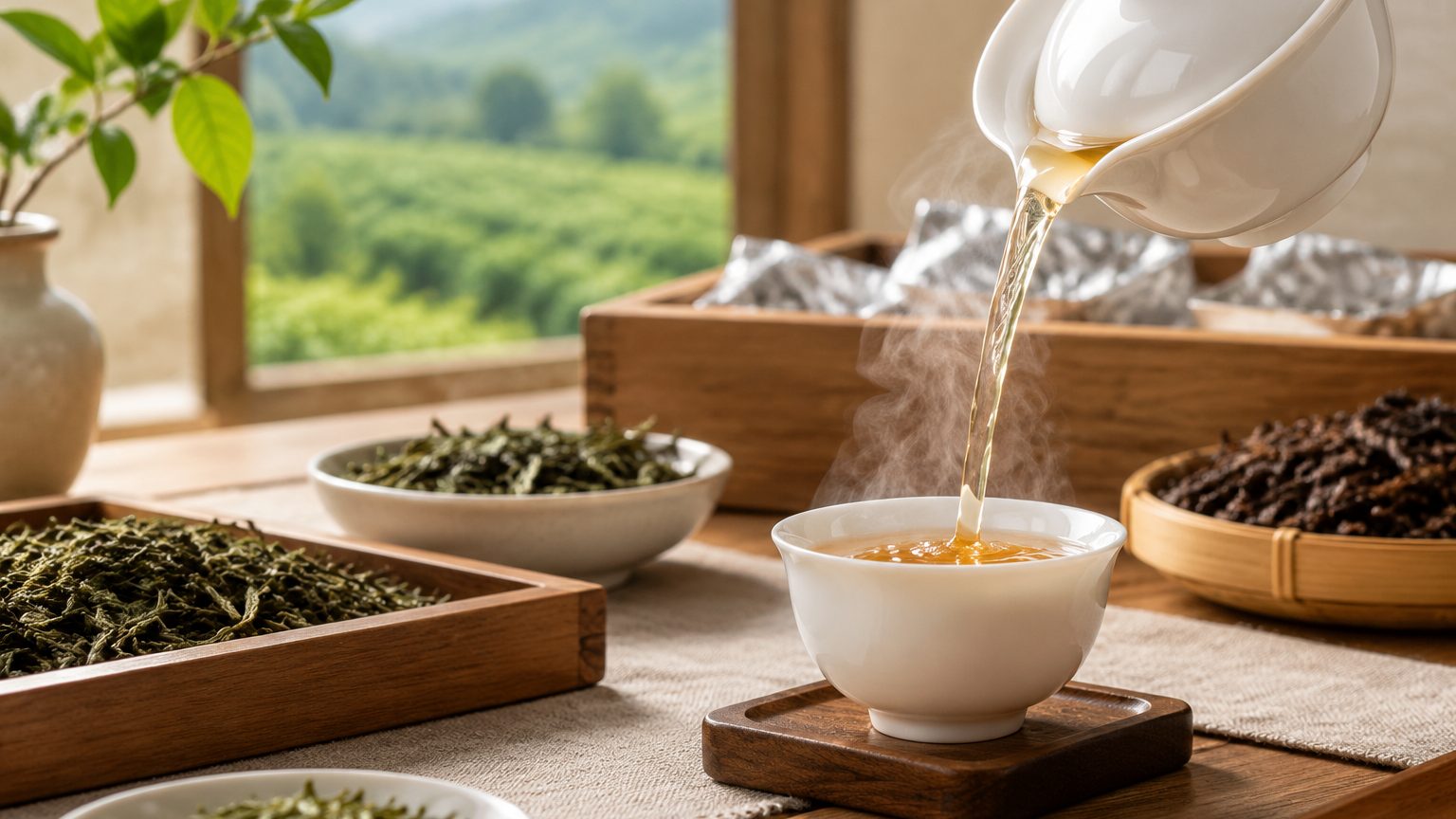 How to brew Tieguanyin: gongfu parameters that survive a busy shiftA working parameter sheet for brewing Tieguanyin: leaf rate, water temperature, pour timing, and how cafes turn gongfu brewing into a repeatable menu item.
- Green tea water temperature: why the trade brews near 80°CWhy green tea is brewed near 80°C, a reference temperature table by tea line, and practical ways for a cafe team to hit the same number on every shift.
- Black tea brewing ratios: the numbers behind a consistent cupReference brewing ratios for CTC and orthodox black teas, how to hold them steady across shifts and sites, and what to write into the order so batches match.
- Cold brew tea: ratios, times, and bottling for food serviceCold brew tea for commercial service: starting ratios and steep times by tea family, food-safety habits, and bottling choices that keep the flavor stable.
- Gongfu brewing basics: the method behind the small potGongfu brewing translated for cafe menus: minimal equipment, leaf rates per 110 ml, multi-infusion service, and staff training that keeps the cup repeatable.
- Iced lemon black tea: a base that survives dilution and holdingAn iced lemon black tea method built for service: a base that survives ice, lemon formats compared, hold and chilling habits, and menu notes that sell it.
- Matcha preparation: whisk, shaker, and blender in commercial useMatcha preparation for food service: whisked, shaken, and blended methods, doses and temperature frames, culinary uses, and what to confirm before buying.
- How to brew silver needle: parameters for a sweet, unhurried cupSilver Needle brewing that protects its quiet sweetness: 5 g per 150 ml at 85-90°C, vessel choices, re-steeping, and the buying checks specific to white tea.
- Brewing strength and cup cost: the math sellers should runHow brewing strength decides tea cost per cup: servings-per-kilogram math, where strength is wasted, the ratio levers, and writing strength specs into orders.
- Water quality for tea: the variables that actually move the cupWhich water variables actually change a cup of tea: minerals, chlorine, consistency; how to fix venue water, and why cupping water belongs in the spec sheet.
 Jasmine tea benefits and caffeine: the plain versionWhat jasmine tea actually offers - the scented base leaf, typical caffeine ranges, honest benefit wording - and what buyers should put on labels and menus.
- Oolong tea caffeine: what a label can honestly sayWhy oolong caffeine resists a single number, which variables move it most, and how to word a label and menu line that survives a compliance review.
- White tea caffeine: lower? It depends on leaf and brewWhite tea is not automatically low in caffeine: bud-heavy Silver Needle can brew strong. Typical published ranges, the variables that matter and label-safe wording.
- Tea vs coffee caffeine: numbers a menu can useA buyer-facing comparison of tea and coffee caffeine: typical published ranges per cup, why preparation beats chemistry, and how to use the gap when planning a menu.
- Does herbal tea have caffeine? Mostly no - check the labelTrue herbal infusions carry no caffeine; blends built on real tea do. The plant divide, the blend trap, and label and menu wording that holds up in any market.
- Pu-erh tea and digestion: what the evidence actually saysWhy pu-erh carries a digestion reputation, what research supports so far, and how to position the tea on taste and ritual without stepping over the claims line.
- Green tea in the morning: timing, stomach and the right pourWhether green tea belongs first thing in the morning, why some empty stomachs complain, which lines suit a morning slot, and how to brief staff and customers.
- Barley tea: caffeine-free by nature, gluten by grainRoasted barley contains no tea leaf and therefore no caffeine - but it is not gluten-free. What buyers should know about the category, labels, menus and sourcing.
- Health claims on tea labels: drawing the line before printingWhere the line sits between describing a tea and claiming what it does: claim categories, words that quietly overreach, a review checklist and market differences.
- Decaf tea options: the CO2 process, and its honest limitsWhat decaffeinated tea really is: how CO2 processing works, what it does to flavor, residual caffeine expectations, and the buying realities behind a decaf line.
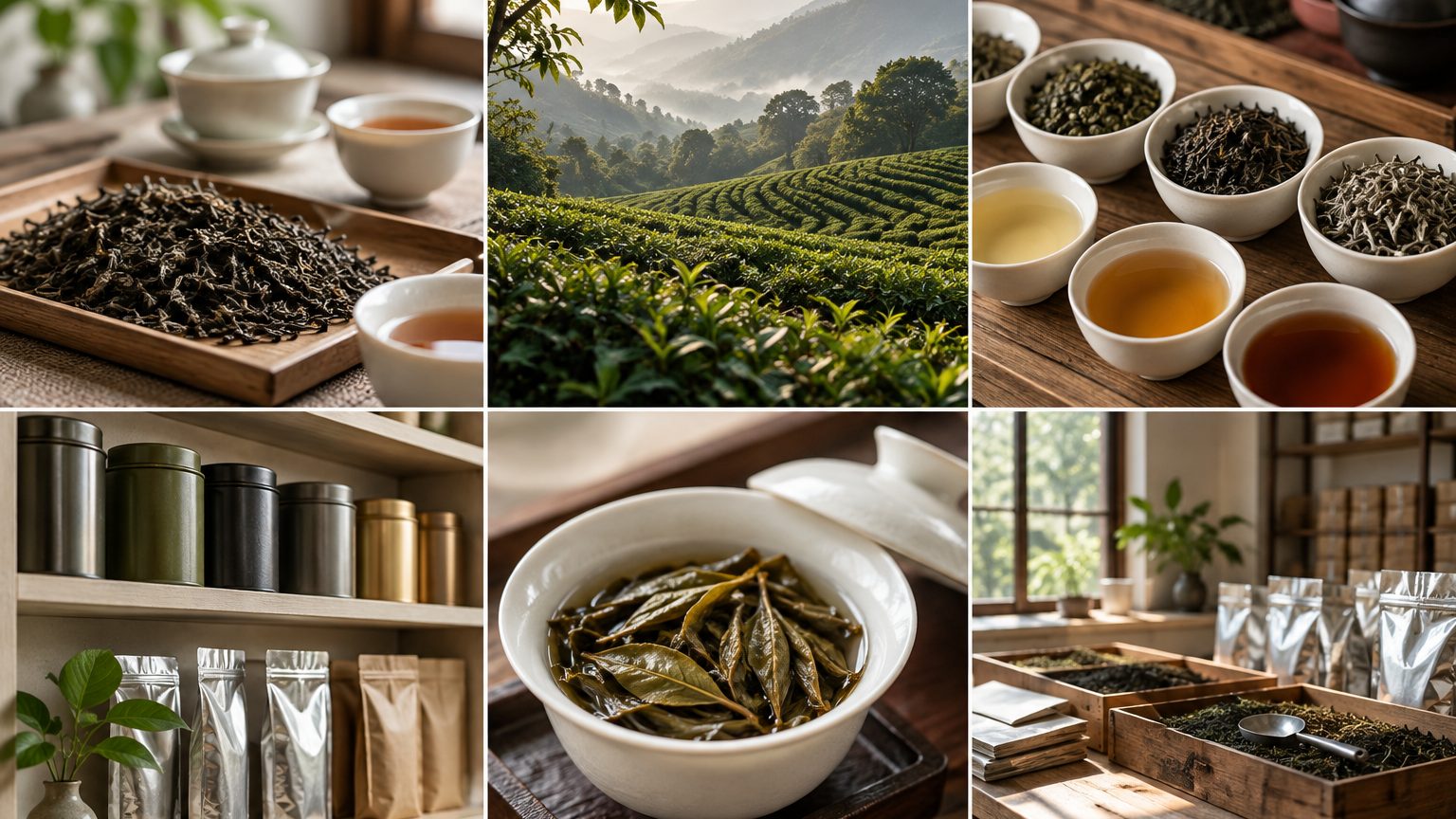 Green tea shelf life: what fades first and how to hold itHow long green tea stays saleable, what fades first, how packaging and warehouse practice change the answer, and what to confirm in writing per lot.
- How to store pu-erh cakes for aging: the working conditionsStorage bands for aging pu-erh: humidity and temperature ranges the trade works with, airflow and odor rules, and why aging outcomes belong to the storage site.
- Aging white tea: what changes in the cup and whyWhat changes as white tea ages, which grades take well to it, the storage conditions that make change positive, and how to date and describe aged stock.
- Oxygen barrier packaging for loose tea: matching material to teaWhy oxygen matters for tea quality, which packaging materials actually block it, and how to match barrier level to category, channel and shelf speed.
- Why jasmine tea loses aroma, and what actually fixes itJasmine aroma is the least stable quality cue on the shelf. Why it fades, how fast under common conditions, and the buying and packing fixes that hold it.
- Tea warehouse conditions: a working spec for heat and odorsA practical warehouse spec for tea stock: temperature stability, humidity limits, odor separation and rotation discipline that keep lots saleable to the last case.
- Nitrogen flushing for retail tea packs: where it earns its keepWhat nitrogen flushing does inside a retail tea pack, which categories gain the most, and the process checks that separate real flushing from packaging theater.
- The freezer storage myth for tea: what cold does and does not saveDoes freezing tea keep it fresh? When cold storage genuinely helps, where it backfires through condensation and odor, and better defaults for holding stock.
- Shipping tea in summer: planning around the heat inside the boxSummer transit planning for tea: what a hot container does to each category, packing that buffers the journey, and timing choices that shorten exposure.
- Humidity control for tea storage: bands, controls and warningsMoisture is the fastest way to lose a tea lot. Humidity bands by intent, the controls that work at warehouse scale, and the one category that needs managed damp.
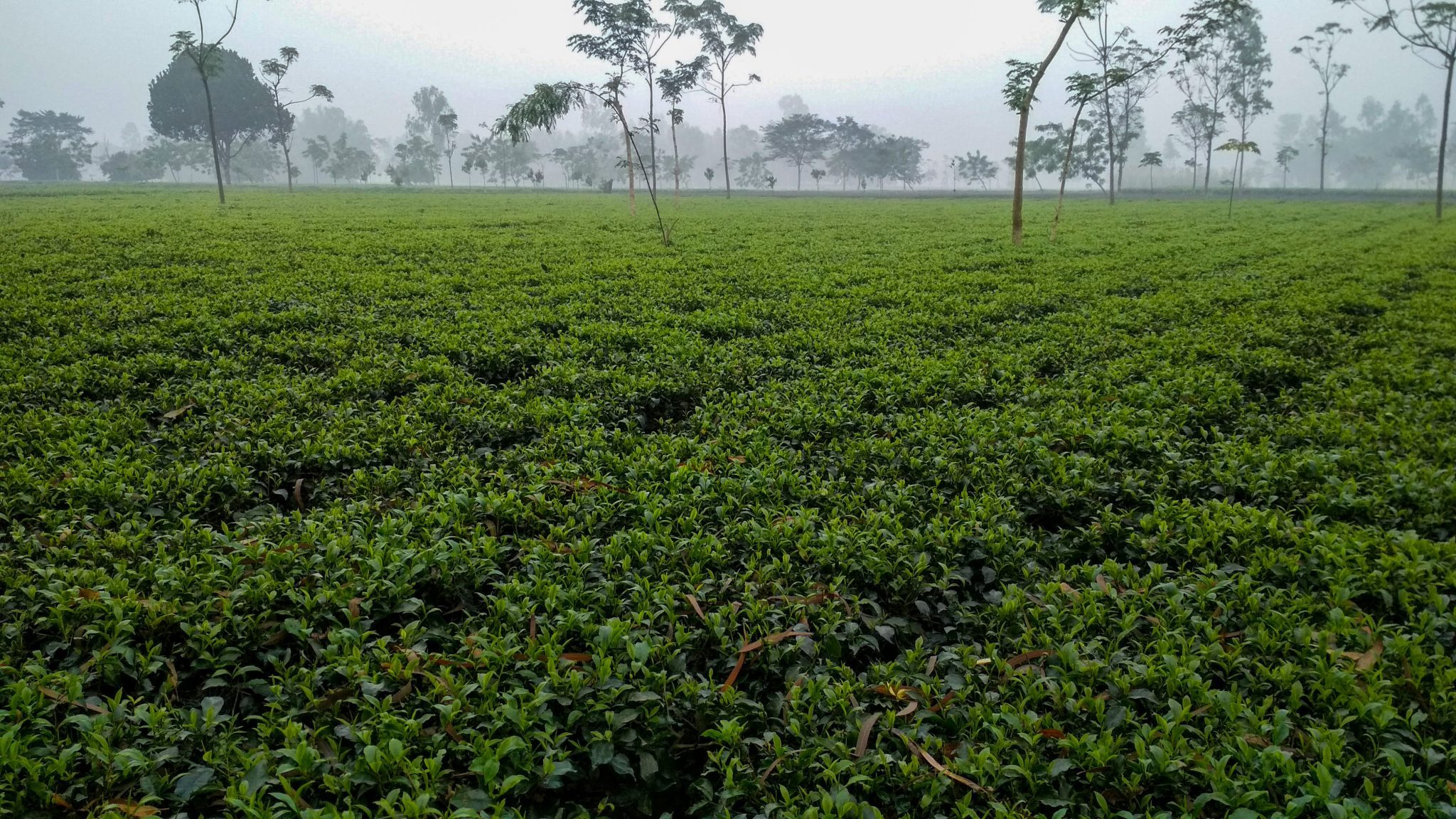 Sourcing tea from China: a practical map for wholesale buyersA buyer's map for sourcing tea from China: regions by category, grades and commodity streams, and the working steps from enquiry to bulk.
- Tea private label MOQs: typical ranges and what moves themTypical MOQ reference ranges for private label tea - bulk, bags, cans, gift boxes - and the practical levers that move those numbers.
- Tea sample checklist: what to request before a bulk orderWhat to request in a tea sample round - physical samples, cupping sheets, documents - and how to judge them before committing to bulk.
- Choosing a tea supplier: the questions that actually matterTen questions that separate a reliable tea supplier from a good story - identity, origin access, quality control, documents and logistics.
- Keeping a tea blend consistent across harvestsWhy tea lots drift between harvests and the tools that hold a blend steady: blend sheets, master samples, cupping protocols and seasonal planning.
- What drives tea price: from leaf grade to landing costThe real drivers behind tea prices, from leaf grade and season to handwork, roasting, packing and freight - and which of them a buyer can influence.
- Tea OEM vs ODM: who makes which decisions in a tea programOEM and ODM explained for tea programs: who owns the blend, the artwork, the tooling and the certificates in each model, and how minimums follow.
- Spring harvest timing: the calendar behind your green tea inventoryHow the spring picking calendar - pre-Qingming, pre-Grain Rain - shapes green tea inventory, and how to plan orders backward from your shelf date.
- Tea factory audit: a buyer's working checklistA working tea factory audit checklist: licenses, floor hygiene, processing flow, quality control, warehouse and traceability - on-site or remote.
- Buying bulk vs retail-packed tea: the buyer's trade-offsBulk foil cartons or retail-packed own-brand tea: how the two routes differ on minimums, control, freight, shelf life and where each one fits.
 EU pesticide limits for tea: MRL basics for importersHow EU maximum residue levels work for tea under EC 396/2005, who carries the legal duty at import, and the documents to request before you ship.
- Tea testing parameters: a practical panel for buyersThe testing panel wholesale buyers actually need - physical basics, food safety items, sensory grading - with who commissions what and how to read each report.
- Organic certification for tea: following the chainOrganic tea is a chain of certified handling, not a sticker: how USDA, EU and JAS programs link garden, factory and packer, and what to verify per order.
- US FDA rules for tea imports: the working overviewTea enters the United States as a packaged food: facility registration, entry review and importer duties, explained plainly, with the documents to line up.
- Tea food labeling basics, market by marketWhat a compliant tea pack carries - ingredients, net weight, origin, nutrition, dates - and where the rules genuinely diverge between destination markets.
- Rainforest Alliance and tea: what it means for buyersWhat Rainforest Alliance certification attests on tea, how certified material reaches your pack, and the verification steps to run before committing an order.
- Heavy metals in tea: where they come from and how they are checkedWhy heavy metals sit on every serious tea panel, where they come from, how limits are set by market, and the testing protocol that keeps a program defensible.
- PLA vs nylon tea bags: the material facts buyers needFood-grade nylon and PLA corn fiber are the two standard pyramid mesh materials: what each is, what claims each supports, and which reports to request.
- Tea HS codes: 0902 and how the broker conversation goesTrue teas sit in HS heading 0902, but the working classification is a conversation with your customs broker: type, pack size and blends all matter.
- Best-before dating for tea: what a reasonable date rests onHow a defensible best-before date for tea is actually set: format behavior, packaging barrier, storage reality and destination wording - not a universal number.
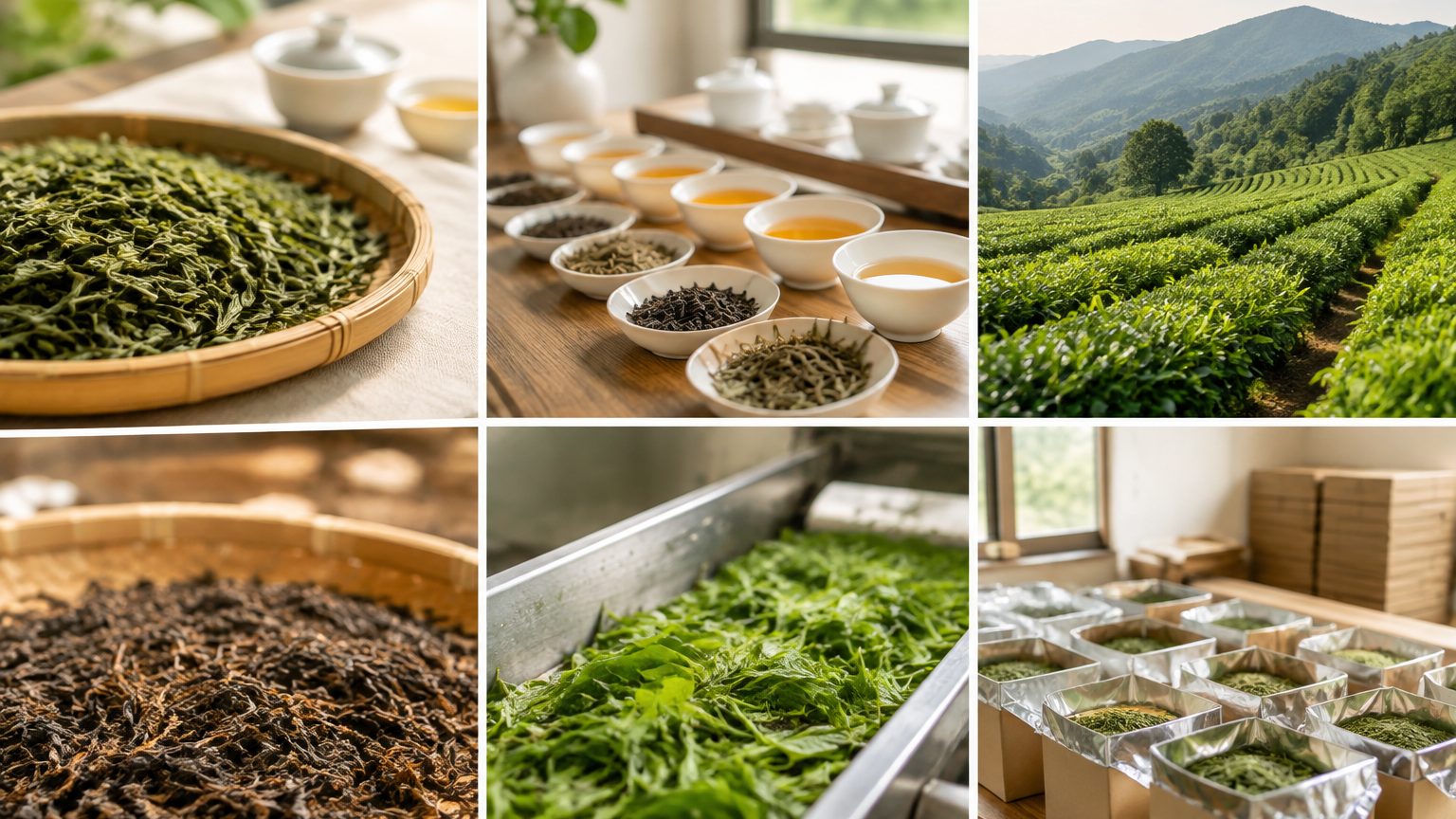 How tea is processed: six types, one plant, a handful of decisionsHow tea is processed, plainly: one plant, six types, the shared steps from withering to refining, and which of those steps a wholesale buyer can specify.
- Withering and oxidation: the two steps that set a tea's color and characterWithering and oxidation decide more of a tea's character than any other step. What each does, where the oxidation bands hold, and what a buyer can specify.
- Rolling and shaping: how tea gets its shape, and why the shape matters to youRolling breaks the leaf and sets its shape - strips, curls, pearls, spears, CTC granules. How each shape extracts, packs and sells, and what buyers can specify.
- Sieving and grading: how rough tea becomes a uniform, sellable gradeAfter firing, tea is sieved, winnowed and picked into grades. What each step removes, what grade names describe, and which uniformity terms a spec sheet needs.
- Wuyi rock tea roasting: the charcoal finishing that builds yanchaWhy Wuyi rock teas are finished over charcoal: how firing builds rock character, how roast levels are described, and what to confirm on fire dates and rest.
- What charcoal roasting changes in tea: aroma, body, stabilityWhat charcoal roasting changes in tea: aroma, color, body, stability, storage life. How firing rounds a cup, why it runs in passes, what buyers confirm.
- Jasmine scenting rounds: how tea learns to smell like jasmineHow jasmine tea is scented: fresh blossoms layered with tea across six to nine traditional rounds, why round count defines quality, and what buyers can specify.
- Pu-erh wet piling: the fermentation that makes ripe puerHow wet piling turns sun-dried mao cha into ripe puer: the 1973 convention, what fermentation changes in the cup, and the choices buyers can specify.
- Matcha grinding methods: stone mills, bead mills and the grade ladderHow matcha is ground: stone mills for the fine traditional cut, ball mills for volume. What each means for color, mouthfeel, cost and the grade you order.
- Smoked tea and lapsang souchong: how pine fire becomes flavorHow lapsang gets its pine smoke: drying over pine fires in the Wuyi mountains, the unsmoked adaptation, and how buyers specify smoke level for their programs.
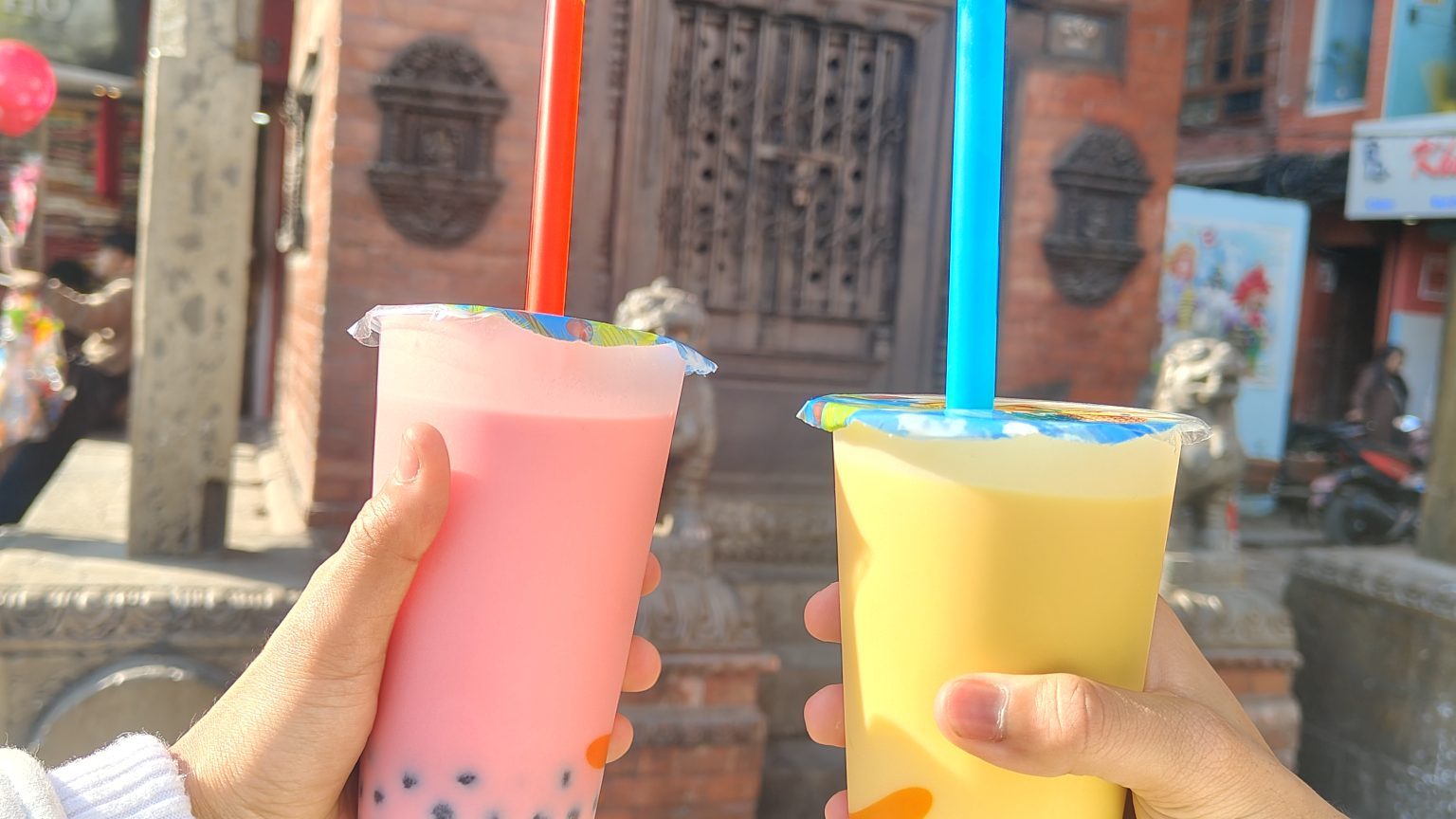 Bubble tea tea base: choosing for strength that survives the cupHow to choose a tea base for bubble tea: CTC, Dianhong, jasmine and matcha compared on strength, hold time and supplier consistency for beverage brands.
- Designing a cafe tea menu that sells: architecture over lengthA working framework for cafe tea menus: how many items to carry, which formats suit which drinks, per-cup cost logic and the supply setup behind repeatable pours.
- Hotel tea programs: one supply chain from room tray to banquetHotel tea service across rooms, lounges and banquets: format per touchpoint, hold-time rules, stock discipline and a procurement path that scales.
- Office tea service: a program that stays simple and stays stockedSetting up office tea service that runs without a barista: format choices, caffeine-free options, replenishment cadence and how purchasing keeps the program stable.
- Corporate tea gifts: custom boxes that recipients actually openPlanning corporate tea gifts: box architecture, customization levels, MOQ and lead-time realities, staged delivery and the paperwork a purchasing team expects.
- Dessert and tea pairing for restaurants: a list that lifts the checkHow restaurants pair tea with dessert: matching mechanics, a starter pairing map by dessert family, service formats that survive a kitchen, and what to buy.
- Planning a retail tea wall: from 24 to 48 SKUs without the clutterA retail tea wall that scales: the three-tier assortment, spread across six tea types, format choices, the importer's document pack and shelf-velocity basics.
- E-commerce tea bundles that earn a second orderBuilding tea bundles for online stores: the four bundle archetypes, repeat-purchase mechanics, packaging and label compliance, and MOQ realities for private label.
- Cold brew tea for restaurant service: batch, hold, pourRunning cold brew tea in a restaurant: why kitchens adopt it, working ratios and steep frames, batch planning, holding rules and what to buy for volume service.
- Tea programs for gyms and wellness brands: positioning to shelfTea programs for gyms and wellness brands: caffeine positioning, herbal and matcha lines, organic certificate chains and private label entry points.
 The global tea market: which numbers actually matter to a buyerWhat the headline figures say about global tea demand, which segments grow fastest, and how wholesale buyers should use market numbers.
- China's tea exports explained: volume, value and the green tea mixChina exported roughly 374,100 tonnes of tea in 2024. What the volume, value and green tea share mean for buyers sourcing above the bulk layer.
- Shipping tea internationally: modes, transit times and planningCourier, air and sea freight compared for tea: typical transit ranges, how to match mode to order stage, and how tea is packed so it arrives tasting like it left.
- Tea freight costs: what moves the number on your shipmentWhy one tea shipment costs more per kilo than another: chargeable weight, cube, mode, season and packing choices that move the freight number before you negotiate.
- Incoterms for tea orders: from FOB to DDP, who carries whatEXW, FOB, CIF and DDP explained for tea orders: who books carriage, where risk passes, and which term suits a first container or an established repeat program.
- Importing tea: the document stack, item by itemThe document stack for a tea import: invoice, packing list, transport papers, origin and sanitary certificates, lab panels, and broker questions.
- Tea seasonality: a buying calendar for wholesale programsMost tea is picked in seasonal waves. A buying calendar by category, with the spring green tea window and how to plan inventory around harvests.
- Bubble tea's growth: what it demands from your tea baseBubble tea is estimated at USD 3.3 billion in 2025 and growing faster than tea overall. What that growth demands from tea bases, suppliers and buying discipline.
- Matcha demand: why supply feels tight and how to buy anywayMatcha demand has outrun grinding capacity. What is driving tight supply, where food-grade matcha comes from, and how buyers should plan orders and allocations.
- Wholesale tea trends: what buyers keep asking forTraceable lots, organic paperwork, pyramid bags and stronger milk tea bases: the wholesale requests that keep returning, and how to test them.
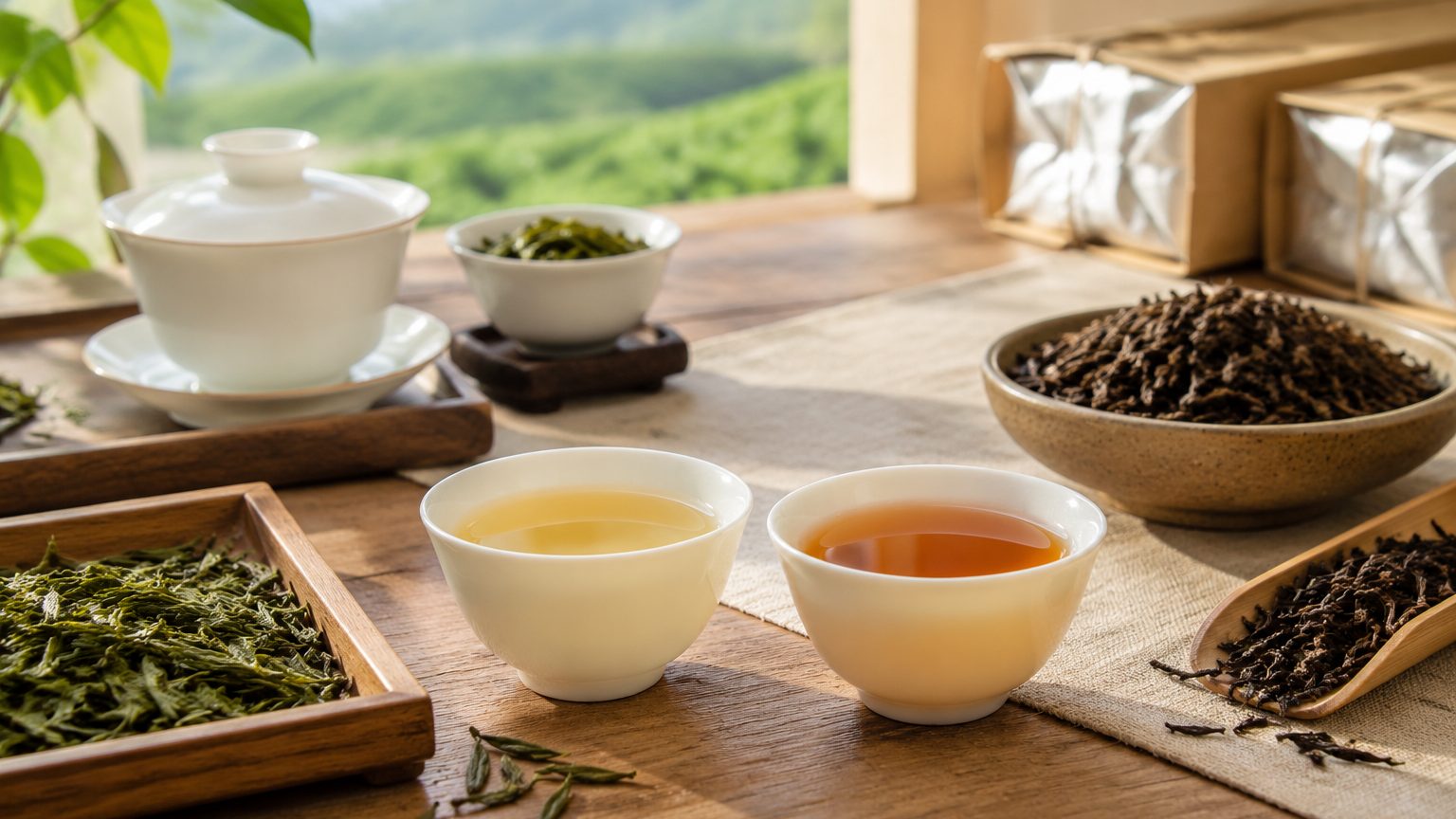 Longjing vs Biluochun: which pan-fired green belongs on your menuLongjing vs Biluochun for buyers: two pan-fired Chinese greens compared - leaf shape, processing, cup, brewing frames, and which program each one fits.
- Raw vs ripe pu-erh: two teas that share a name and little elseRaw and ripe pu-erh are two different products: wet-piled fermentation versus natural aging, with different cups, brew routines, channels and inventory logic.
- Silver Needle vs White Peony: the bud and the leaf, separatedSilver Needle vs White Peony: same minimal processing, different picking. Bud-only cup versus bud-and-leaf body, brewing, aging, and which tier to stock.
- Tieguanyin vs Da Hong Pao: two Fujian oolongs, two different jobsTieguanyin vs Da Hong Pao: Anxi ball-rolled fragrance against Wuyi charcoal-roasted strips. Processing, cup, identical brewing, and which oolong to stock.
- Assam vs Ceylon: which black base belongs behind your counterAssam vs Ceylon for milk tea and cafe menus: strength and malt against bright briskness. Grades, brew frames, channel fit, and how to lock a consistent base.
- Genmaicha vs Sencha: the leaf, the rice and the menu differenceGenmaicha vs Sencha: pure steamed Japanese green against leaf blended with roasted brown rice. Processing, cup, brew frames, caffeine in practice, menu fit.
- Loose leaf vs tea bags: the buyer's trade-off, settled by channelLoose leaf or tea bags: a format decision, not a quality verdict. Whole-leaf pyramid packs, brew control versus portion control, cost logic and MOQ differences.
- Keemun vs Dianhong: perfume or power in a Chinese blackKeemun vs Dianhong: perfume against power in Chinese orthodox black tea. Leaf, liquor, brew frames, menu roles and the price ladders behind each.
- Gyokuro vs Sencha: what twenty days of shade actually buysGyokuro vs Sencha: twenty days of shading separates brothy umami from fresh briskness. Covering, cup, the widest brew gap in green tea, and who buys each.
- Herbal tea vs true tea: one plant, many plants, two buying logicsHerbal infusions and true tea come from different plants: different caffeine, brewing, labeling and seasonality. Where each fits a tea program.