
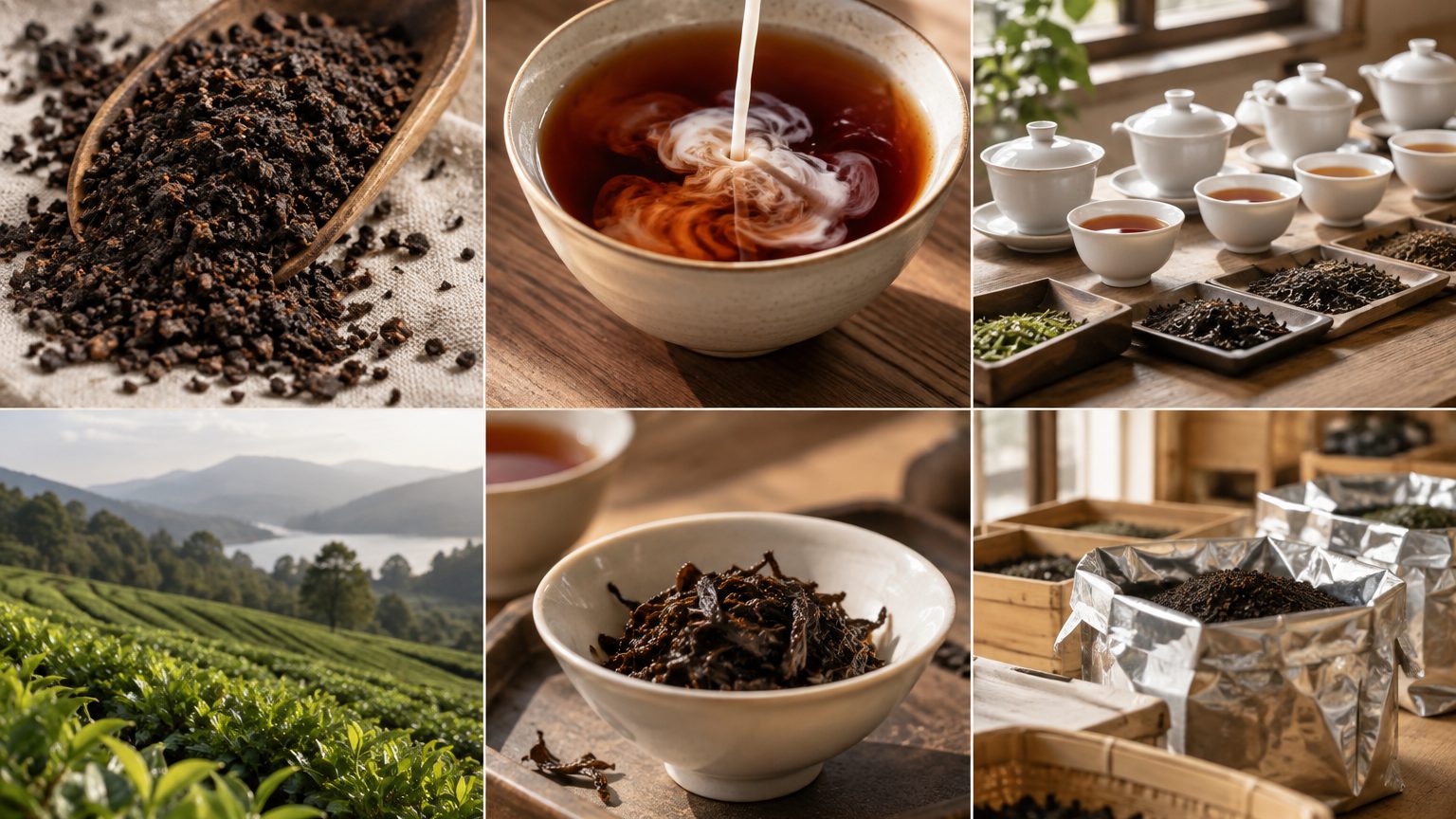
What Assam brings to a program
Assam is the tea buyers reach for when a recipe says malt and means it. The cup is red-brown and dense, with a malty, grain-sweet aroma and a strength that stands up to milk, sugar and ice without disappearing. That is why it anchors milk-tea bases across the beverage world and why breakfast pots from hotel chains tend to be Assam or an Assam-heavy blend. On the desk's shelf it sits next to Ceylon as the second origin import - the two are compared directly in the Assam vs Ceylon note - and next to the Chinese blacks, which offer more aroma finesse and less raw extraction power.
How the line reaches programs: import channels, not gardens
One thing said plainly, because buyers ask: Camellane is a sourcing desk, not a planter. The desk does not own or operate gardens in India and makes no such claim. Assam material is bought through compliant import channels - established origin-side suppliers, proper export documents, customs entry, then warehousing and blending on the China side of the program. What the desk adds is the same discipline it applies to Chinese lines: samples before bulk, the golden sample as the binding reference, per-batch lab panels, and documents that travel with the lot. For programs, the practical consequence is simple: you get a documented, cupped, spec-locked Assam through one counterparty, in the same written-offer framework as the rest of the black tea range. The document stack behind an import line is outlined in the import documents guide.
Grades: CTC and orthodox
| Factor | CTC lot | Orthodox (OP) lot |
|---|---|---|
| Dry leaf | Small even granules, dark brown | Twisted strips, tips visible |
| Liquor | Red-brown, dense, deep | Red-brown, bright |
| Aroma | Malty, grain-sweet | Malty with a softer honey edge |
| Taste | Strong, brisk, built for milk | Rounder, malty, moderate briskness |
| Wet leaf | Uniform dark granules | Brown strips, even |
CTC - crushed, torn, curled - is a machine style that turns leaf into fast-infusing granules; the mechanics and the use cases are explained in the CTC explainer, and the desk's own CTC program line is on the CTC page. Orthodox lots keep the strip. Milk-tea programs overwhelmingly take CTC for extraction economy; hospitality buyers take orthodox when the pot is poured in view of the guest.
Brew parameters
| Parameter | Reference |
|---|---|
| Water temperature | 100°C - full boil |
| Infusion | 3-5 minutes, to strength |
| Leaf dose | Set by intended strength; milk programs run heavier than sipping pots |
| Holding | Brewed liquor holds well short-term; batch brewing for service is normal |
Assam tolerates boiling water and long steeps without turning harsh the way lighter teas do, which makes it forgiving in busy service. The exact dose for a signature milk drink is set in blending trials against your recipe - the desk cups candidates with your actual milk and sugar ratios, because strength reads differently through dairy.
Where it fits
Beverage brands are the anchor audience: Assam in CTC form is a default first candidate for a milk-tea base, and the selection logic - strength, cost stability, batch lock - is laid out in the tea base guide and on the bubble tea program page. Hotels and cafes use it as the breakfast and milk-tea pot. Retail private label shelves it as the recognizably named origin - Assam is one of the few tea names the general customer already knows, which does selling work a no-name blend cannot. Blending desks combine it with Chinese blacks to split the difference between malt and aroma; that is routine work under the blending program.
Documents, packing and buyer checks
Because the line crosses borders before it reaches your carton, the paper matters more than on single-origin Chinese lines: origin-side export documents, import entry records, per-batch lab panels, and the certificates your channel requires are all collected into the program file - the framework is described under certifications. Packing is the desk standard: foil-lined liners in cartons, retail formats per the packaging program, batch and packing dates on every lot record.
- Cup the CTC and orthodox candidates against your recipe with real milk.
- Lock the golden sample; every later lot cups against it.
- Verify the document set: origin-side papers, entry records, lab panel.
- Check granule or strip uniformity on arrival against the sheet.
- Confirm MOQ and lead time in writing, including the import leg - see MOQ and lead time.
Send the recipe and the desired cup to the desk, and candidates come back with a written plan.