
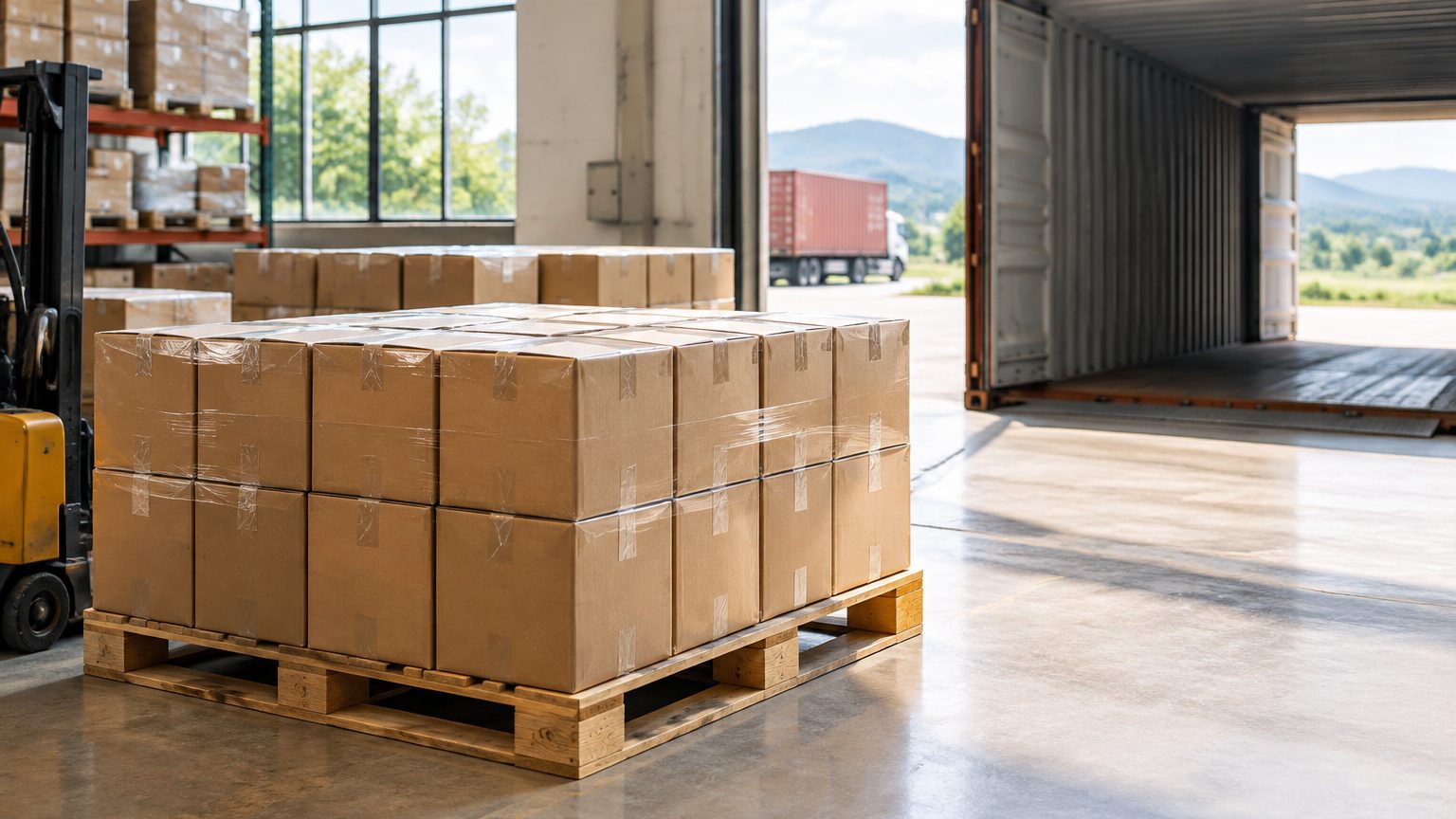
Three modes, three jobs
Every tea program moves through three freight modes in its life: courier for samples, air for the urgent middle, sea for the volume. They are not interchangeable, and the honest way to choose is to map them against your calendar and your landed-cost tolerance rather than habit. The ranges below are typical references for the lanes the desk ships most; the binding dates are the ones on your booking confirmation.
| Mode | Typical transit, reference | What it is for |
|---|---|---|
| Courier / express | 3-7 days | Samples, golden samples, urgent documents |
| Air freight | 5-10 days | Launch stock, seasonal green tea, top-ups |
| Sea freight, US West Coast | 15-25 days | Program volume to North America |
| Sea freight, Europe | 30-45 days | Program volume to European ports |
Both LCL (shared container) and FCL (full container) are routine; small programs usually start LCL and consolidate once reorder volume justifies a full load. A common pattern for a first retail launch is a small air shipment to feed the channel while the sea shipment sails behind it - the desk plans the split when the order is placed, not when the stock runs out.
Heat and odor: protecting the cup in transit
Tea does not melt, spoil or leak, which makes it look indestructible to a freight forwarder. What it does do is absorb odors and cook slowly in a hot hold, and both damage show up in the cup after arrival. The countermeasures are boring and effective: foil liners sealed at the packing floor, a carton spec that survives stacking, pallets kept away from heat-generating cargo, and segregated stowage when the consignment includes strongly scented teas. Jasmine and lapsang are the two that teach this lesson - jasmine picks up every neighboring smell, and lapsang's smoke will season an entire container of innocent green tea. Summer sailings to hot climates get extra planning: harvest-fresh green tea ideally sails with the least dwell time in port, a topic with its own note in shipping tea in summer. None of this needs refrigeration; it needs deliberate packing, which is part of the packaging decision made earlier in the program.
HS 0902: a conversation with your broker
Tea sits under HS heading 0902 - a well-known, public classification - and that is where the desk's part of the story ends, because the full code, duty rate and any preferential treatment depend on the destination, the processing and sometimes the flavoring. Flavored and scented teas are the classic edge case: some destinations classify them with plain tea, others differently, and the answer changes the duty. The desk's position is to supply accurate product information - process, ingredients, packaging - and let your customs broker confirm the import code and rate before the first commercial shipment. Treat it as a five-minute call that prevents a five-week delay; the vocabulary of that call is laid out in tea HS codes and broker talk. For first-time importers, the desk can share the document set your broker will ask for, listed below.
Incoterms in plain terms
Incoterms decide where your cost and risk begin, and tea programs usually run on three of them. FOB (free on board) is the common middle: the desk delivers the goods on the vessel at the origin port, and your freight forwarder takes it from there - most experienced importers live here. EXW (ex works) hands everything from the packing floor onward to you, which suits buyers with their own China logistics. CIF or CIP adds freight and insurance to the desk's side, which suits first shipments where you do not yet have a forwarder. DDP (delivered duty paid) exists but is the rarest for food imports, since it puts import compliance in the seller's hands. Whichever term a program uses, it is written on the offer and the purchase order, and the trade-offs between them are unpacked in Incoterms for tea orders.
The document stack
A tea shipment is a folder of documents with cargo attached. The standard set for a commercial shipment runs: commercial invoice, packing list, bill of lading (sea) or air waybill, certificate of origin, and - per destination and program - a health or phytosanitary certificate, the third-party lab panel issued in your name, and organic certificates where the program uses certified material. Two habits keep this stack painless. First, the buyer's legal name and address are confirmed at order stage, because every document repeats them and amendments cost days. Second, documents are issued in English by default and shared as PDFs before the originals travel, so your broker can pre-clear while the container is still at sea. The full sequence, and what each paper is for, is walked through in importing tea: the document stack.
Planning the lane backwards from your shelf
Freight is the last leg of a calendar that starts at the harvest or the packing date. A spring green tea that must land in April is ordered in the winter; a sea shipment to Europe that must land before a September reset sails in July; a courier sample that must be cupped before a trade show leaves a week ahead, not three days. The desk plans shipments backwards from the date the tea must be sellable, adding buffer for port congestion in peak season - the same discipline described under MOQ and lead time. If you tell the desk the date the product must be on the shelf, the mode chooses itself most of the time. For a lane check against your launch calendar, send the brief through the quote form and the desk will return a transit plan with the offer.