
The short answer
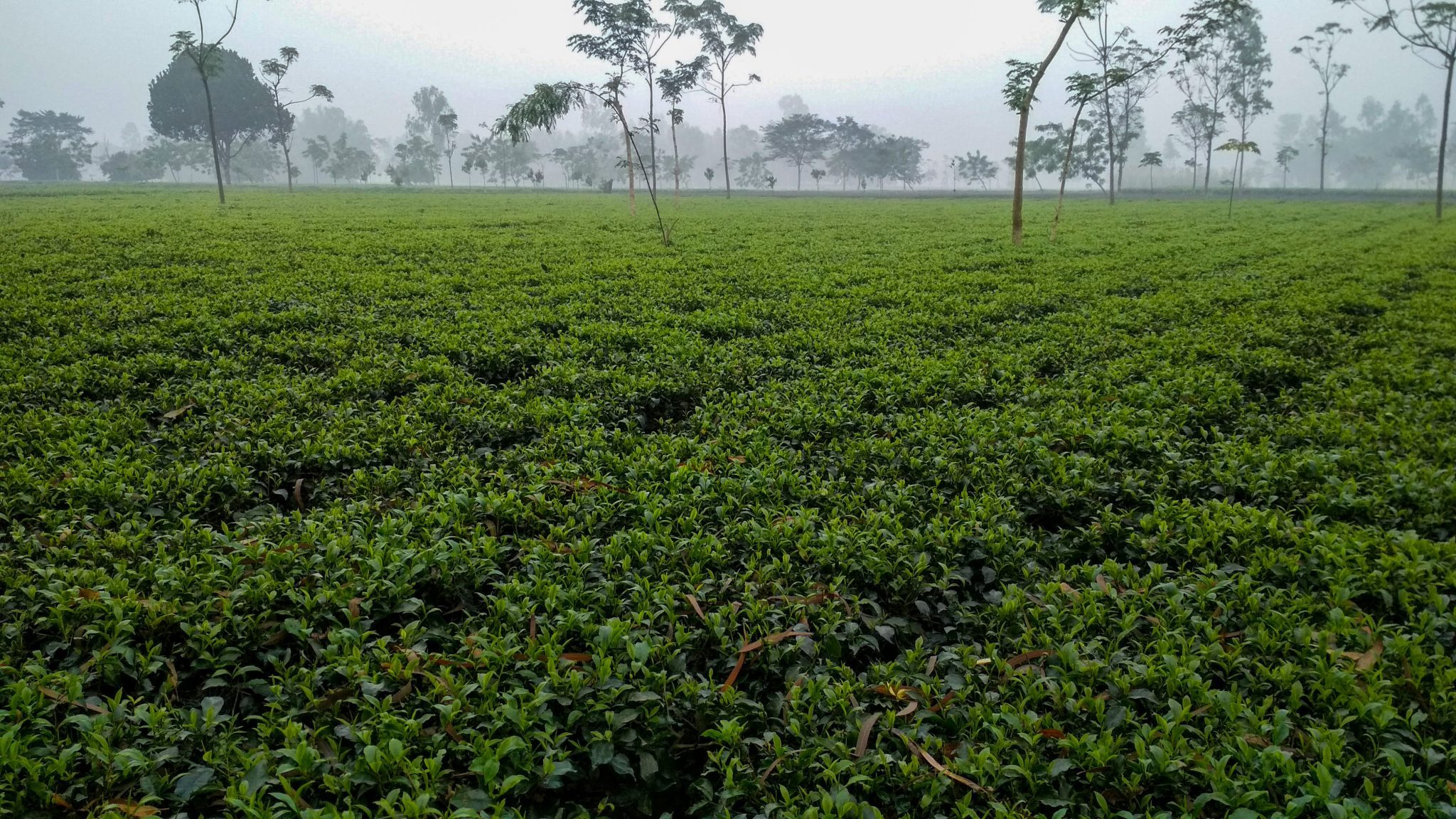
Sourcing tea from China works best when you treat it as a map problem before a price problem. The country produces every one of the six tea categories across a dozen or more distinct belts, exports on the order of 370,000 tonnes a year (customs figures as reported in trade press), and most of that volume is plain green tea moving by the container. That commodity stream is real and useful, but it is not the whole market: the selected grades, regional styles and custom programs most brands actually want sit a layer above it. Reaching them is a matter of knowing which province makes what, which season matters for which category, and which partner layer you are talking to. This note gives the map first, then the working sequence this desk uses to turn it into confirmed, documented orders.
The map: which region grows what
Category first, then region, then season - in that order. Once you know the category you need, the candidate belts narrow quickly, and each belt brings its own calendar and its own paperwork habits. The table below is the working version we keep on the wall.
| Region | Category anchor | Names you will meet | Buyer note |
|---|---|---|---|
| Zhejiang (Hangzhou, Anji) | Green | Longjing, Anji white tea (a green tea by process), edible matcha feedstock | Spring-critical; book before the picking window |
| Jiangsu (Suzhou) | Green | Biluochun | Small volumes, orchard-adjacent gardens, early close-out |
| Anhui | Green + black | Maofeng, Houkui, Keemun | Two very different calendars inside one province |
| Fujian (Anxi) | Oolong | Tieguanyin | Clean-aroma and roasted versions behave like two products |
| Fujian (Wuyi) | Oolong + black | Da Hong Pao, Rougui, Shui Xian; Lapsang Souchong, Jinjunmei | Roast dates matter as much as harvest dates |
| Guangdong (Chaozhou) | Oolong | Fenghuang Dancong | Aroma-specific styles; sample before you scale |
| Yunnan | Black + puer | Dianhong, raw and ripe puer | Large-leaf material, the widest style range in the country |
| Fujian (Fuding, Zhenghe) | White | Silver Needle, White Peony, Gongmei, Shoumei | Short process, so material quality decides everything |
| Japanese-style greens | Green | Sencha, Gyokuro, matcha inputs | Sourced through Japanese channels and joint processing |
| Imported origins | Black | Assam, Ceylon | Consolidated through compliant import channels for blends |
The belts not on this desk's line list - Henan and Sichuan greens, for instance - follow the same logic, but we would rather send you to a desk that knows them than improvise.
Commodity volume versus selected grades
It helps to hold two different markets in your head at once. The first is the commodity stream: mostly green tea, sold by the containerload, priced by the tonne, bought on specification sheets that care about extraction yield and little else. It keeps supermarket shelves and iced-tea lines supplied around the world. The second is the selected-grade market: named villages and picking standards, batch records, cupping sheets, custom roasting, private label packing in small lots. Industry reports put average export values low precisely because the first market dominates by tonnage; that says nothing about the second, where the same category can span several multiples in value depending on grade, season and handwork. If your program needs consistency and traceability - bubble tea bases, hotel programs, retail own-brand - you are buying in the second market, and the conversation, the paperwork and the typical order sizes all differ accordingly.
The partner layers you will actually deal with
Between the tea field and your purchase order sit three layers. Growing and primary processing happen in gardens and village-level stations, where the leaf is picked, fixed, rolled and dried into crude material. Refining and packing happen in dedicated facilities that sort, blend, roast and pack to specification - this is where batch consistency is actually manufactured. And coordination happens at the desk layer: someone who knows which facility runs which format well, who can pull samples from several origins into one comparison, and who owns the paperwork chain. A desk earns its place on continuity - it can move your blend to a second facility when a first is full, without restarting the sample round. We describe how we work across these layers on the origin network page, and how facilities are vetted on the factory audit page.
From enquiry to confirmed bulk: the working sequence
- Scope the program in writing: category, style reference, packing format, destination market and the documents that market requires.
- Sample round. Stock samples typically move in 3-7 working days; a custom blend sample takes longer, commonly 7-15 working days. Both are typical reference ranges, confirmed per order.
- Cup against your reference: dry leaf, liquor, aroma, taste, wet leaf. Lock the specification and keep a sealed sample of both sides.
- Close the compliance file for your market - pesticide limits, label rules, certificates - before the bulk decision, not after.
- Run a pilot at the agreed minimum, then a first bulk lot with batch retention on both sides.
The same sequence, with the documents each step should produce, is laid out on the procurement process page. None of the steps is optional, and the order matters: skipping the compliance check to save two weeks is how buyers lose a whole season later.
Timing: the spring reality
For green tea, the calendar is the program. The prized pre-Qingming pickings happen in early April, pre-Grain Rain material follows through late April, and the best lots of famous names are often committed before they are finished. Work backward from your shelf date: sea freight to Europe runs a reference 30-45 days, to North American west coasts 15-25 days, so a May arrival means ordering in the first quarter at the latest. Oolongs, whites and puer are far more forgiving, but every category has a season when the material you actually want exists. The seasonal note on buying calendars expands this into a month-by-month plan.
Mistakes that cost buyers a season
Four recur. Comparing across categories on price alone - a Keemun and a commodity green are not substitutes, so the comparison is noise. Treating a category name as one product - "Tieguanyin" covers styles from green-fresh to dark roast, and a quote for one is not a quote for the other. Deferring document questions until after sample approval, which inverts the risk: the expensive part is not the sample, it is the container that cannot clear customs. And assuming one supplier layer can do everything - the garden that grows beautiful material is rarely the facility that packs retail bags to spec. The quality control page shows how the desk splits those roles deliberately. If you would rather hand us the scope than assemble the map yourself, start at the quote form with your category, market and format, and we will come back with a written sample plan.