
What full oxidation does
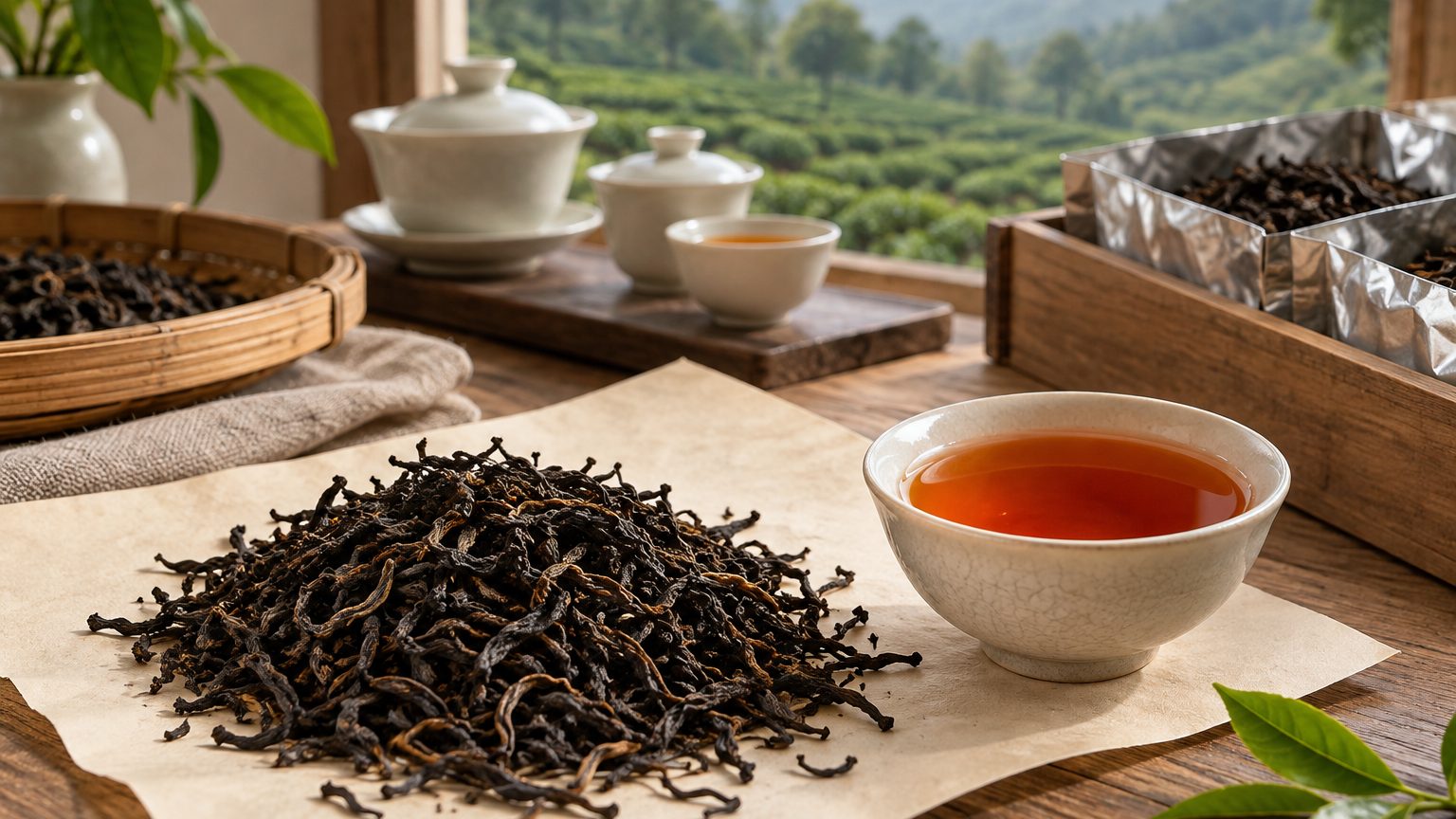
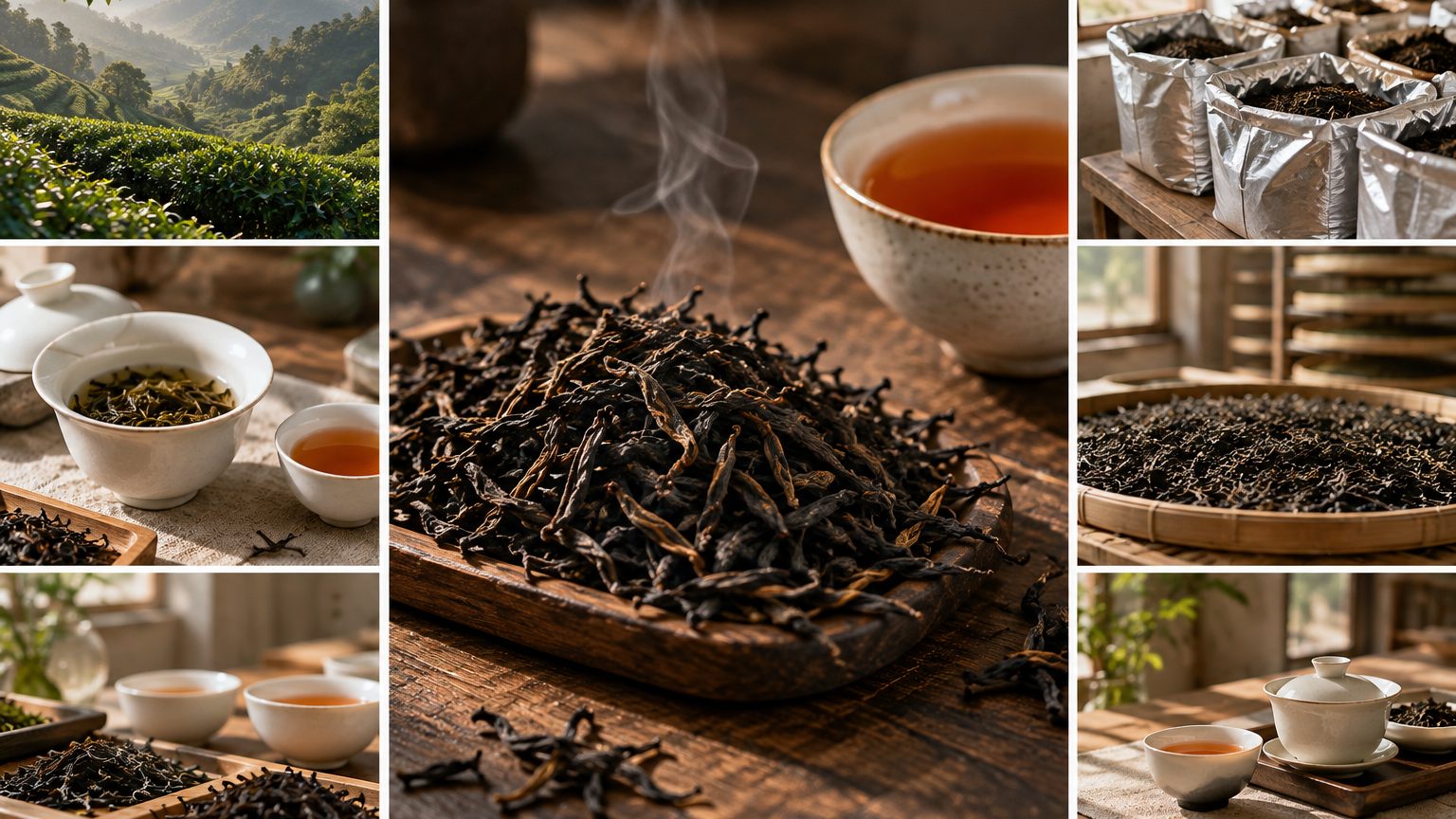
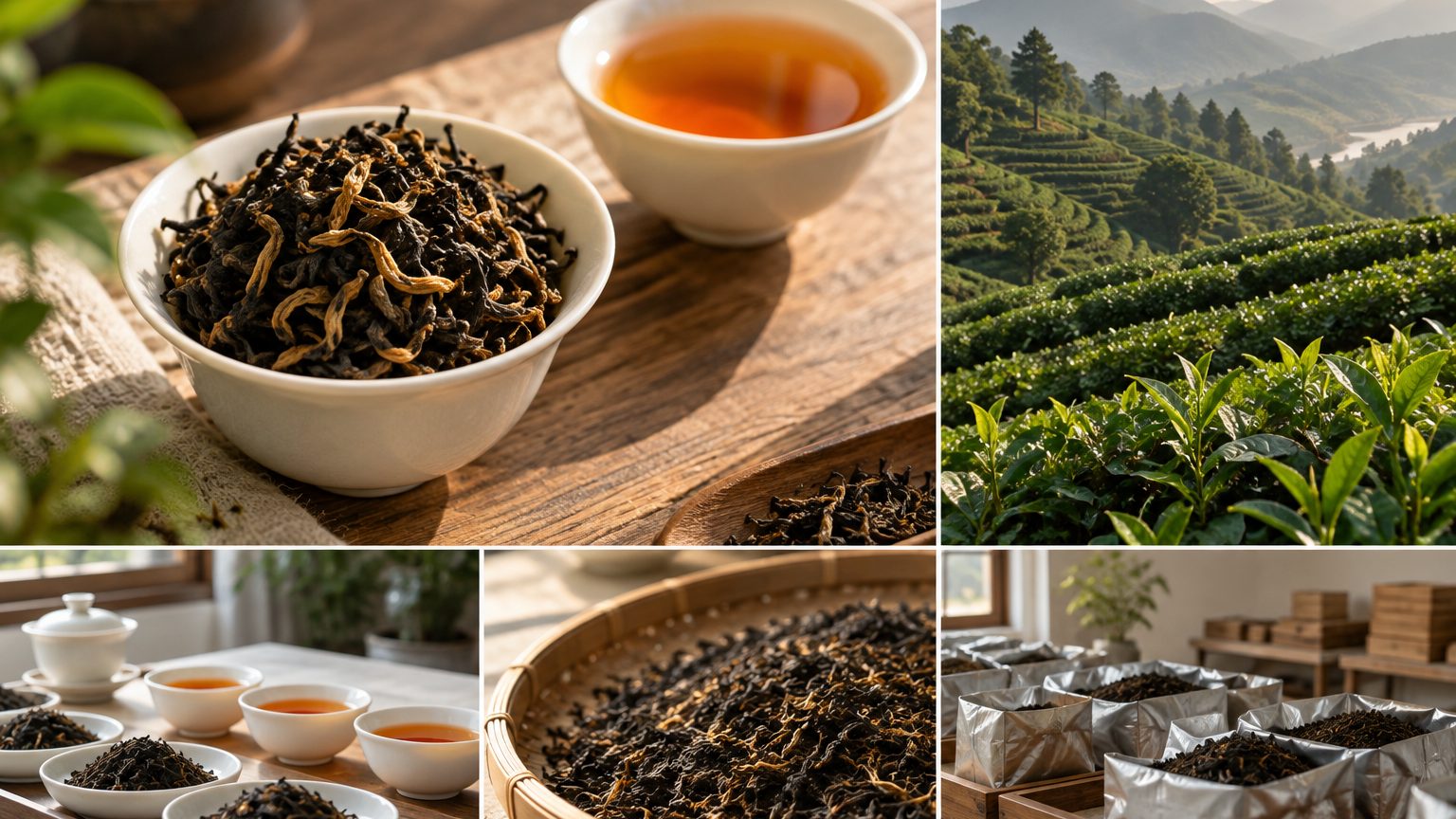
Every true tea starts as the same leaf; black tea is the one allowed to finish the journey. After withering, rolling breaks the leaf cells and exposes their juices to air; oxidation runs to completion, turning the leaf copper-red and building the tannin structure and malty-sweet compounds that green and oolong processing stop short of. Drying locks the result. The cup consequences are exactly what buyers buy it for: a liquor that pours red-orange to deep red-brown, a strength that carries milk and sugar, and a flavor that stays stable through boiling water and long steeps. Black tea is the category of tolerance - forgiving in brewing, robust in blending, and the world's most traded tea for those reasons.
The eight lines at a glance
| Line | Style | Cup character | Best fit |
|---|---|---|---|
| CTC black tea | Machine-rolled granules | Red, strong, milk-friendly | Bag programs, milk tea bases |
| Keemun | Anhui orthodox, strip leaf | Sweet floral, the famous wine-like note | Premium retail, straight sipping |
| Lapsang Souchong | Fujian, pine-smoked tradition | Smoke, longan sweetness | Distinctive retail, food pairing |
| Jinjunmei | Bud-only Fujian orthodox | Honey, floral, refined | Tea houses, premium gifting |
| Dianhong | Yunnan large-leaf orthodox | Thick, honeyed, strong | Retail workhorse, blends |
| Assam | Indian orthodox or CTC | Malty, brisk, dark | Milk tea, breakfast blends |
| Ceylon | Sri Lankan, region graded | Bright, citrus-edged | Iced programs, blends |
| Lemon black tea | Flavored blend | Lemon over red liquor | Ice tea menus, convenience retail |
CTC versus orthodox: two machines, two markets
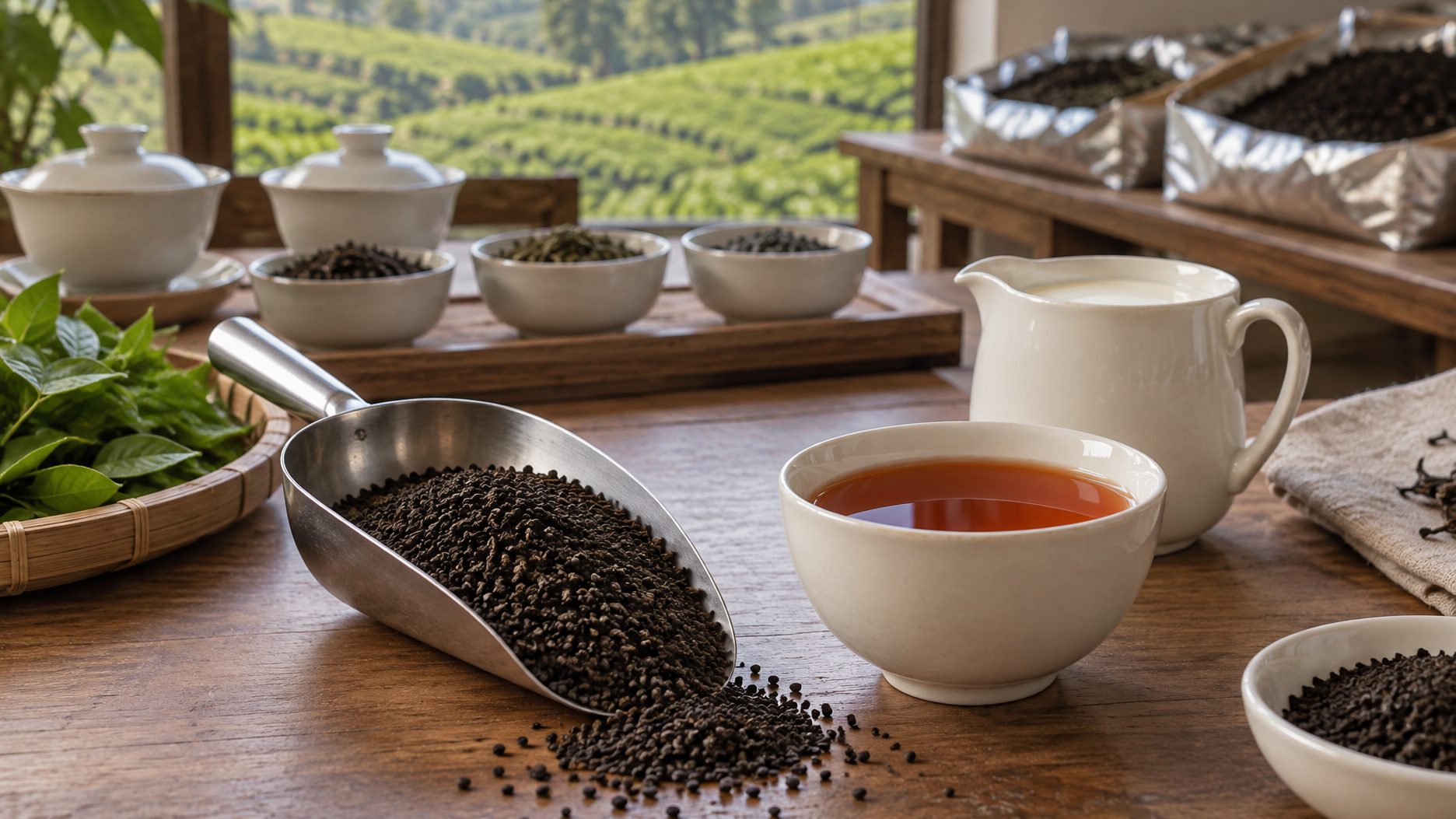
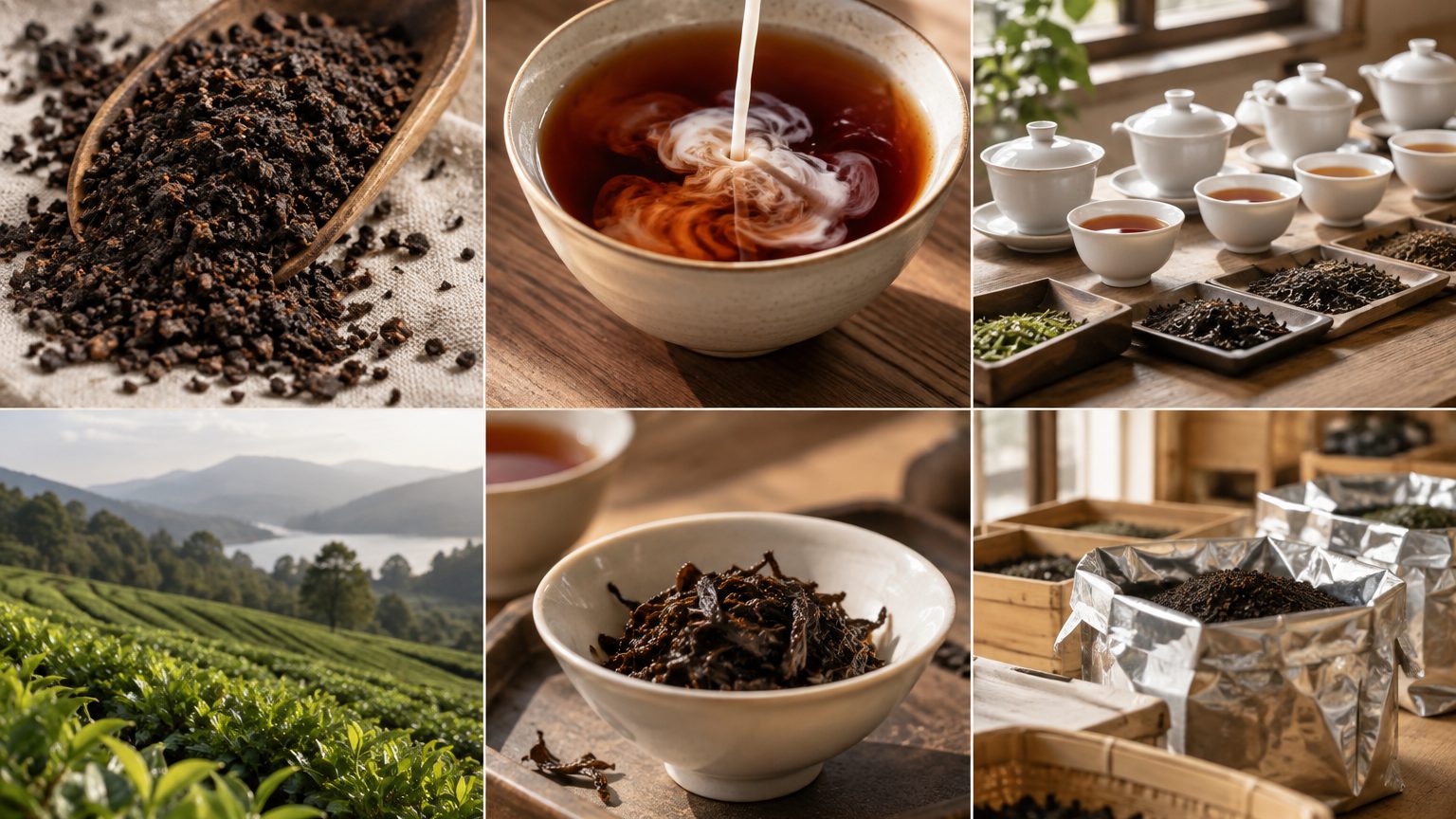
Orthodox processing rolls the leaf whole; CTC - crush, tear, curl - passes it through rollers that produce small, hard granules. Nothing mystical separates them, only surface area: CTC infuses fast and hard, giving the deep, tannic cup that milk tea needs and that a three-minute bag brew requires, while orthodox leaf gives a more layered cup at gentler steeps and looks the part in a pack. Choosing wrong is expensive in both directions - orthodox in a milk-tea program reads as thin and under-extracted; CTC in a premium pack reads as commodity dust. The desk starts milk and bag programs with CTC material and premium shelf programs with orthodox, and will cup both side by side if a brief sits between the two.
Chinese origins, and origin imports for blending
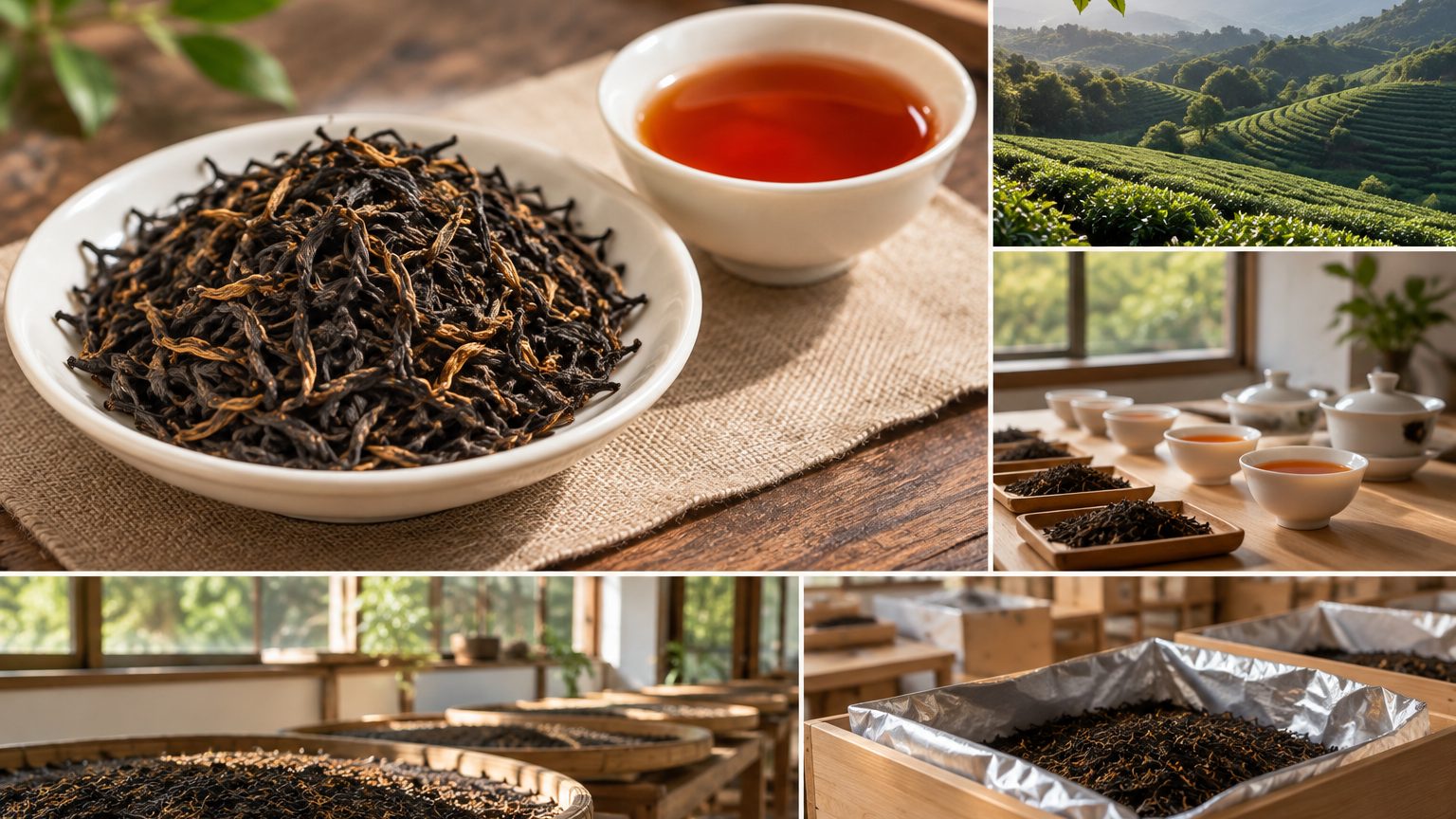
The Chinese lines each carry a place on the label. Keemun from Anhui builds the classic floral-sweet cup that defined black tea for Western markets; the Fujian lines range from pine-smoked tradition (Lapsang Souchong) to bud-only refinement (Jinjunmei); Yunnan's Dianhong brings large-leaf strength with honey. Alongside them, Assam and Ceylon arrive through compliant import channels - sourced, declared and documented per lot, not waved through. Imports exist for a practical reason: breakfast-style and milk-tea blends are usually built from more than one origin, and a blend that leans on Assam's malt or Ceylon's brightness needs that leaf in the recipe. The comparison that decides most milk bases is set out in the Assam versus Ceylon note.
Milk-tea economics, briefly
Bubble-tea and cafe buyers do not shop for flavor notes; they shop for extraction per gram of tea base, and black tea is where that math is most visible. A CTC base at the reference 2-3 g per 200 ml, boiled 3-5 minutes, gives a liquor strong enough to survive a cup built from ice, milk and syrup - and every fraction of a gram saved per liter compounds across a chain's volume. That is why programs lock a blend and a golden sample: the base must taste identical when the spring Dianhong lot is replaced by the summer one, which is a blending and retention-sample job, not luck. The program mechanics for chains live under bubble tea brands, and the consistency machinery under quality control.
Flavor formats: the lemon example
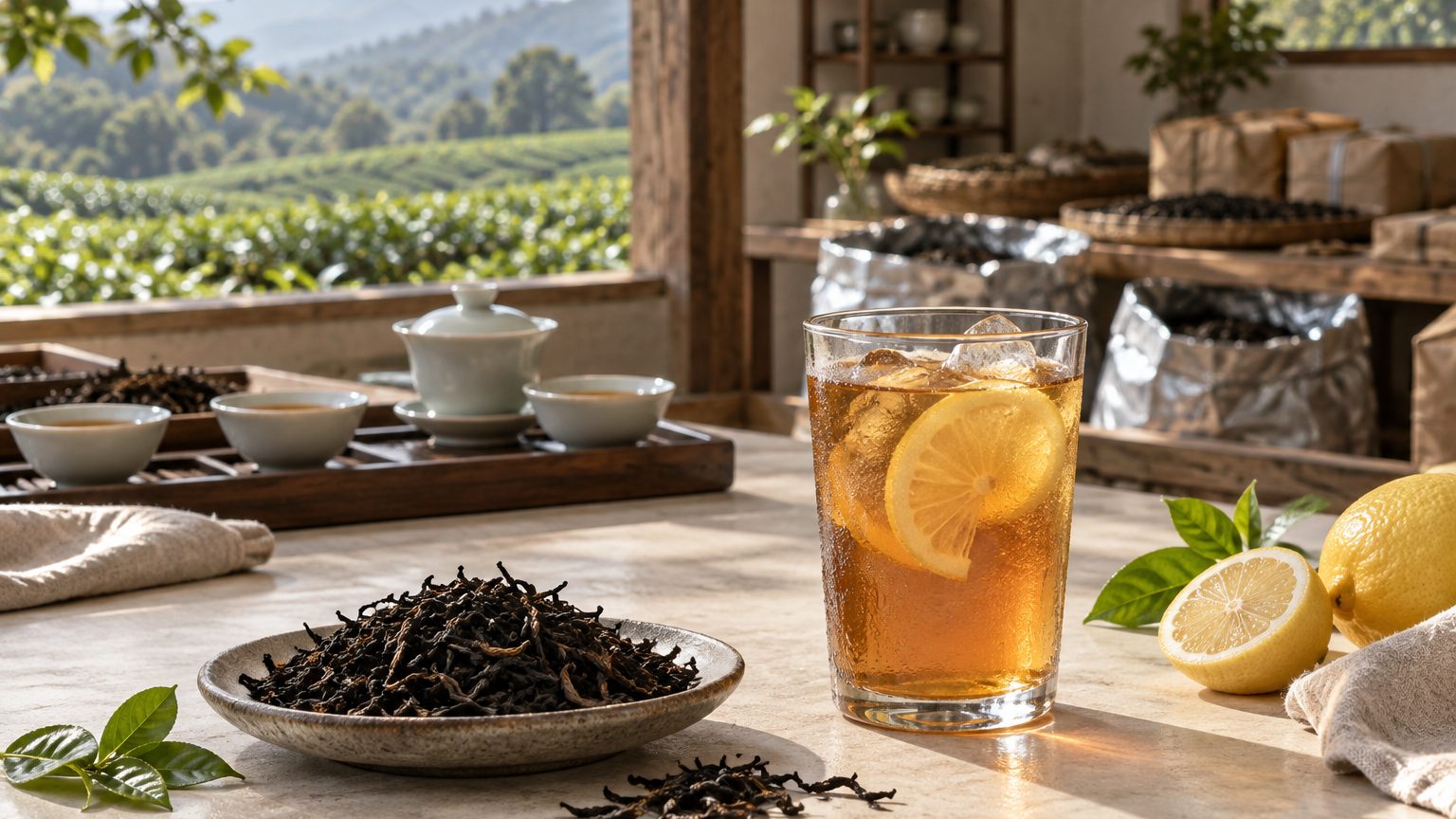
Lemon black tea is the category's flavor-format flagship: a red-liquor base carried with lemon character, built for iced menus and convenience retail where the drink is ordered by flavor, not origin. Flavored programs raise the specification questions buyers should ask anywhere in this category: natural versus other flavoring routes, declared per order; how the flavor behaves over shelf life; and how the label reads in the destination market, since flavoring claim rules vary. The same logic extends to other scenting and flavoring work across the catalog. What does not change is the base: a flavored program succeeds when the black base underneath is cupped and locked as strictly as an unflavored one.
Buying checklist for the category
Decide format first - orthodox leaf, CTC granules or bags - because it drives grade, MOQ and price direction. Cup current lots of each candidate origin, in your water and your application, not just on the supplier's sheet. Lock the golden sample and the blend recipe in writing, and require retention samples per batch so later lots are compared against something. Confirm season: Chinese orthodox lines are harvest-priced, while CTC and imports trade more steadily. Reference MOQ ranges and lead times are stated on the MOQ and lead time page, confirmed per program in writing. When the format decision is made, send it with volumes and market to the quote desk, and the sample plan comes back with the origins ranked for your brief.